High-calcium powder, widely utilized in sectors such as cement manufacturing, chemical processing, and food production, demands efficient and reliable transportation methods. Pneumatic conveying systems provide an effective solution by reducing dust exposure, preserving product integrity, and enhancing operational safety. This article delves into the essential considerations and design principles for developing a well-structured high-calcium powder pneumatic conveying system.
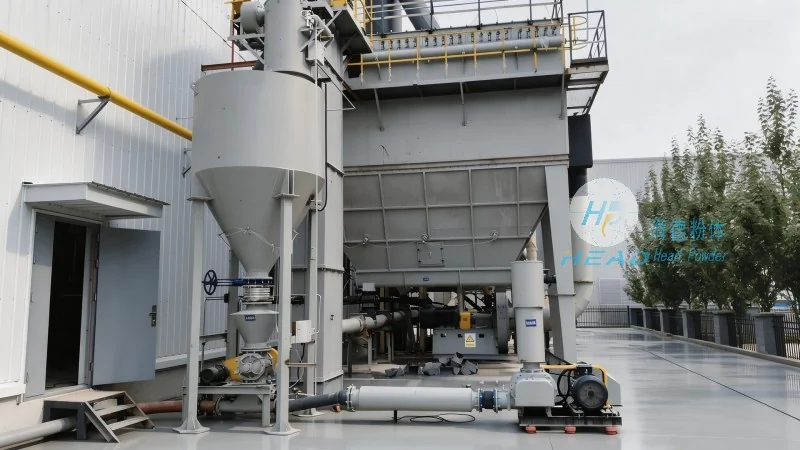
HeadPowder: Your Expert in Pneumatic Conveying Solutions
Shandong HeadPowder Engineering Co., Ltd., commonly referred to as HeadPowder, is a leading provider of customized pneumatic conveying systems designed to meet the unique requirements of high-calcium powder applications. With decades of experience in the industry, HeadPowder specializes in designing, manufacturing, and implementing systems that optimize material handling efficiency while upholding the highest standards of safety and performance. Headquartered in Shandong, China, the company leverages advanced engineering methodologies and local expertise to deliver solutions that align with the demands of modern industrial operations.
Key Design Factors for High-Calcium Powder Pneumatic Conveying
Designing an effective high-calcium powder pneumatic conveying system involves evaluating several critical factors. The first consideration is the material properties of the high-calcium powder, including its particle size distribution, moisture content, and flowability. These characteristics directly influence the system's air velocity requirements and the type of conveying equipment necessary. For example, finer particles may necessitate higher air velocities to prevent clogging, whereas cohesive or sticky powders might require specialized equipment like rotary valves or airlocks to ensure smooth material flow.
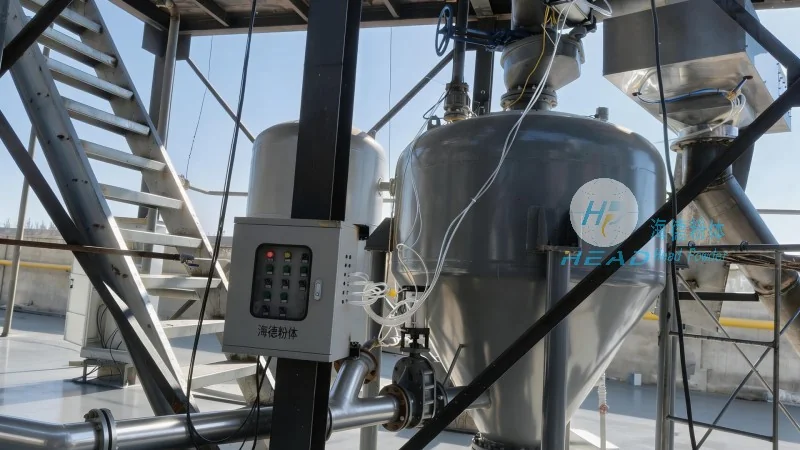
Types of Pneumatic Conveying Systems for High-Calcium Powder
There are two primary types of pneumatic conveying systems: dilute-phase and dense-phase. Dilute-phase systems utilize low air velocities to transport powder in a suspended state, making them suitable for long-distance and high-capacity applications. Dense-phase systems, conversely, employ higher air pressures and lower velocities to move material in a plug flow, which is ideal for handling abrasive or sensitive powders like high-calcium powder. The choice between these systems depends on factors such as the distance between the source and destination, the required material flow rate, and the need to minimize product degradation.
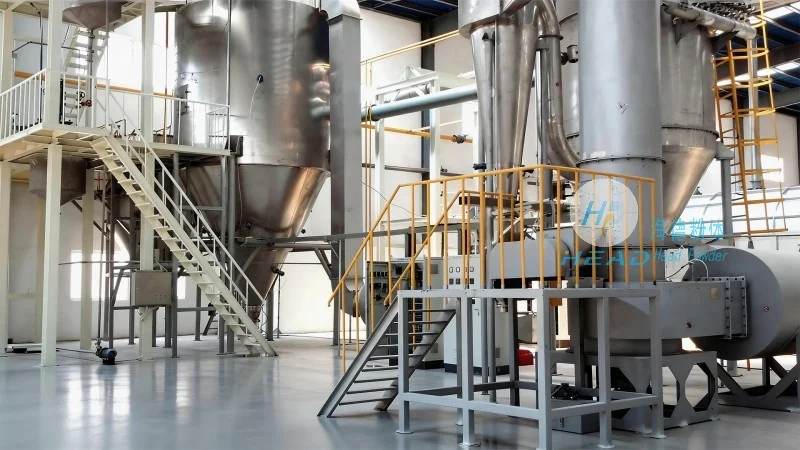
Core Components of a High-Calcium Powder Pneumatic Conveying System
A typical high-calcium powder pneumatic conveying system comprises several essential components that function together to ensure efficient operation. The primary components include a material feed hopper, which stores and feeds the powder into the system; a blower or compressor that generates the air pressure required for conveying; a conveying line (often constructed from stainless steel or other corrosion-resistant materials to accommodate the powder's chemical properties); and a receiver or discharge hopper where the material is collected. Additional components may include rotary valves, airlocks, filters, and dust collection systems to maintain system efficiency and environmental compliance.
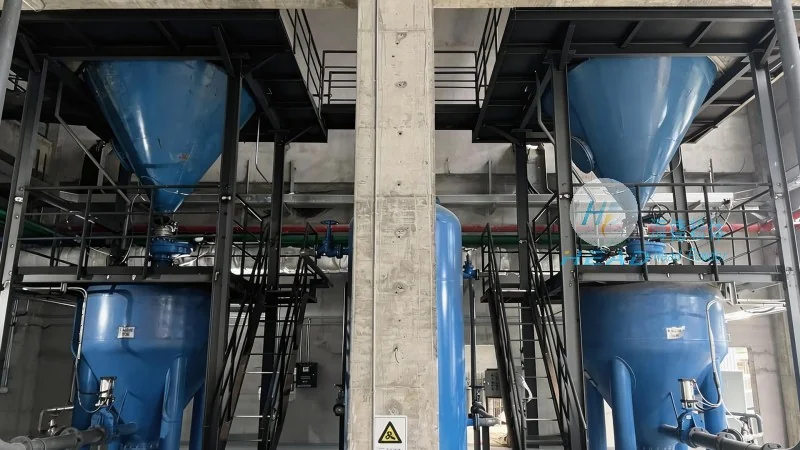
Step-by-Step Design Process for High-Calcium Powder Pneumatic Conveying
Designing a high-calcium powder pneumatic conveying system requires a systematic approach to ensure all operational and safety requirements are met. The process typically begins with a thorough analysis of the material characteristics and the application's specific needs. This includes determining the required flow rate, the distance between the source and destination, and any environmental or regulatory constraints. Next, the system's layout is planned, considering the optimal placement of components to minimize energy consumption and material handling time. The air velocity and pressure are then calculated based on the material's properties and the chosen system type. Finally, the system is sized and configured, with components selected to meet the calculated parameters and ensure reliable operation.
Conclusion and Contact Information
Designing a reasonable high-calcium powder pneumatic conveying system is a complex task that requires expertise in both material science and mechanical engineering. Shandong HeadPowder Engineering Co., Ltd. (HeadPowder) offers comprehensive solutions tailored to the unique challenges of high-calcium powder applications. By leveraging advanced design principles and local industry knowledge, HeadPowder ensures that its systems not only meet but exceed the performance expectations of industrial clients. For more information or to discuss your specific high-calcium powder pneumatic conveying needs, please contact HeadPowder at their headquarters in Shandong, China.




