HeadPowder, a leading engineering firm based in Shandong, China, specializes in the design and implementation of advanced pneumatic conveying systems tailored for the efficient handling of refractory materials. These systems are critical in modern industrial processes, offering a reliable and flexible solution for transporting materials like refractory powders, granules, and bulk solids across various production stages. The following discussion explores the different types of pneumatic conveying systems and their practical applications in the refractory industry.
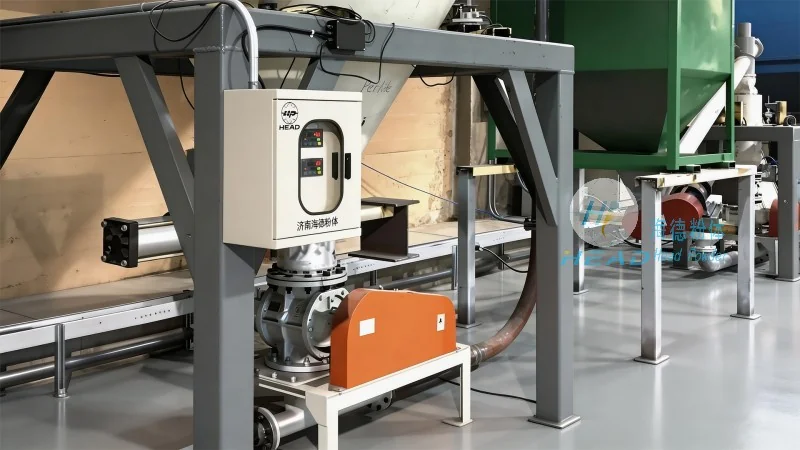
Understanding Pneumatic Conveying Systems for Refractory Materials
Pneumatic conveying systems utilize air or gas to transport solid materials through a pipeline network. This method is particularly advantageous for refractory materials due to their abrasive nature, high temperature resistance, and the need for dust-free or controlled environments. The primary goal is to achieve efficient, safe, and cost-effective material movement without the need for mechanical components like belts or buckets that could be damaged by the harsh characteristics of refractory materials.
Types of Pneumatic Conveying Systems
There are several types of pneumatic conveying systems, each suited to different operational requirements and material characteristics. The most common types include positive pressure systems, negative pressure systems, and hybrid systems.
Positive Pressure Pneumatic Conveying Systems
Positive pressure systems operate by blowing air or gas into the material stream, creating a pressure differential that propels the material forward. This method is ideal for long-distance and high-capacity applications, as it can handle larger particle sizes and higher material loads. The system typically includes a blower or compressor at the material source, which generates the necessary pressure to move the material through the pipeline. Positive pressure systems are often used in scenarios where the material needs to be transported from a central storage area to multiple processing points, ensuring consistent flow and minimal material degradation.
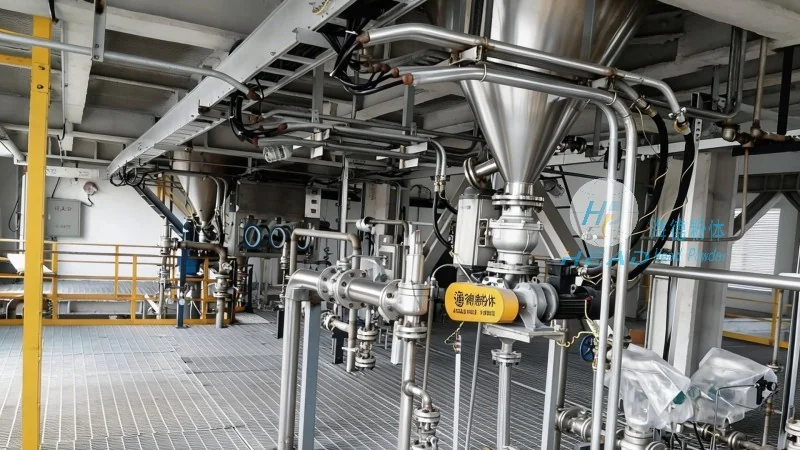
Negative Pressure Pneumatic Conveying Systems
Negative pressure systems, also known as vacuum systems, work by creating a vacuum at the material discharge point, drawing the material into the pipeline. This approach is suitable for applications requiring a clean environment, as the system collects material from a source and transports it to a destination without exposing the material to external air. Negative pressure systems are commonly used in processes where dust control is paramount, such as in the handling of fine refractory powders that could cause respiratory hazards or contamination. The system typically includes a vacuum pump at the receiving end, which creates the suction force needed to pull the material through the pipeline.
Hybrid Pneumatic Conveying Systems
Hybrid systems combine elements of both positive and negative pressure systems, offering flexibility and efficiency for complex material handling tasks. These systems can operate in either positive or negative pressure modes, depending on the specific requirements of the application. For instance, a hybrid system might use positive pressure to transport material from a storage silo to a processing plant and then switch to negative pressure to deliver the material to a final packaging or mixing area. This adaptability makes hybrid systems suitable for diverse industrial environments, particularly where multiple material sources or destinations are involved.
Practical Applications in Refractory Manufacturing
The practical applications of pneumatic conveying systems in refractory manufacturing are widespread and essential for maintaining operational efficiency and product quality. These systems are used in various stages of the refractory production process, from raw material handling to finished product packaging.
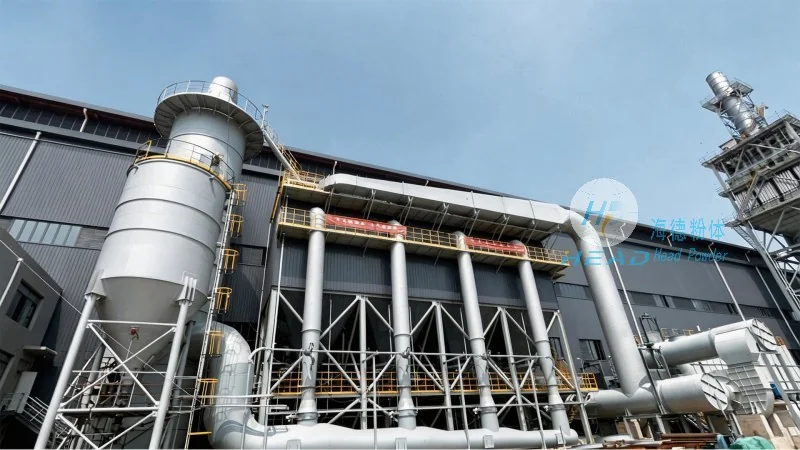
Raw Material Handling and Preparation
At the initial stage of refractory production, raw materials such as clay, silica, and other minerals are often received in bulk and need to be transported to storage silos or processing units. Pneumatic conveying systems are ideal for this purpose, as they can handle large volumes of bulk materials with minimal manual intervention. The systems can transport raw materials from trucks or railcars directly into storage silos, ensuring a continuous and controlled supply of raw materials for the production line. This not only reduces labor costs but also minimizes material loss and contamination, which are critical factors in maintaining product consistency.
Material Mixing and Blending
During the mixing and blending stage, multiple refractory components are combined to achieve the desired chemical and physical properties. Pneumatic conveying systems are used to transport individual components from their respective storage silos to a central mixing unit. The systems can precisely control the flow rate and proportion of each material, ensuring accurate blending ratios. This precision is crucial for producing refractory products with consistent performance characteristics, such as high thermal stability and resistance to chemical attack. The use of pneumatic conveying in this stage also helps to maintain a dust-free environment, preventing cross-contamination between different material batches.
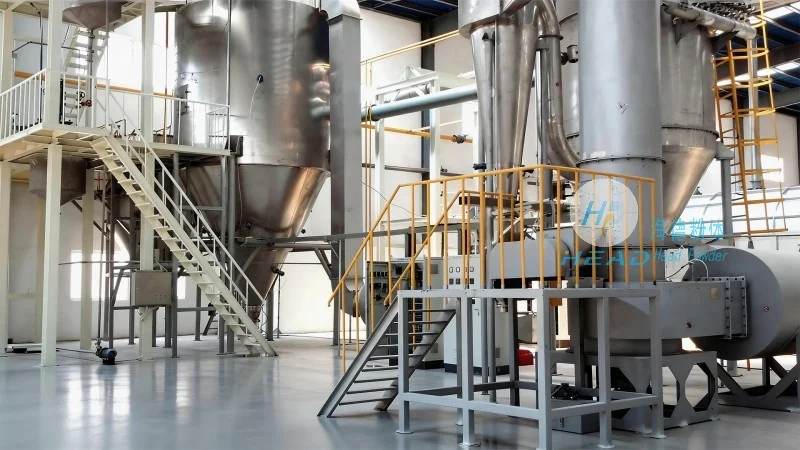
Product Packaging and Distribution
Once the refractory products are manufactured, they need to be packaged and transported to customers. Pneumatic conveying systems can be integrated into packaging lines to move finished products from the production line to packaging machines or storage areas. This ensures a smooth and continuous flow of products, reducing bottlenecks and improving overall production throughput. The systems can handle various packaging formats, including bags, containers, or bulk loads, depending on the customer's requirements. By using pneumatic conveying for packaging, companies can achieve higher efficiency and lower labor costs, while maintaining the quality and integrity of the refractory products.
Case Study: Implementation by Shandong HeadPowder Engineering Co., Ltd.
Shandong HeadPowder Engineering Co., Ltd., with its headquarters in Shandong, China, has successfully implemented pneumatic conveying systems for several refractory manufacturers. One notable case involved a large refractory plant that needed to upgrade its material handling infrastructure to improve efficiency and reduce dust emissions. The company designed and installed a positive pressure pneumatic conveying system that transported raw materials from storage silos to the production line. The system was equipped with advanced control systems that monitored flow rates, pressure, and material levels in real-time, ensuring optimal performance. The implementation resulted in a significant reduction in material handling time, improved product quality, and compliance with environmental regulations. The plant reported a 30% increase in production capacity and a 20% reduction in labor costs after the system was installed.
Conclusion
Pneumatic conveying systems are indispensable tools in the refractory industry, offering a reliable and efficient means of handling materials from raw to finished products. The different types of systems—positive pressure, negative pressure, and hybrid—provide flexibility to meet various operational needs, from long-distance transport to dust control. Companies like Shandong HeadPowder Engineering Co., Ltd. play a crucial role in designing and implementing these systems, ensuring that refractory manufacturers can achieve their production goals while maintaining safety and environmental standards. As the demand for high-performance refractory materials continues to grow, the importance of advanced material handling systems like pneumatic conveying will only increase, making them a key component of modern industrial operations.




