HeadPowder, a leading provider of material handling solutions, specializes in advanced pneumatic conveying systems tailored for the anode material industry. This article explores the various types of pneumatic conveying systems and their practical applications in efficiently transporting anode materials, highlighting the technical advantages and operational benefits that contribute to enhanced productivity in battery manufacturing processes.
Introduction to Pneumatic Conveying Systems for Anode Materials
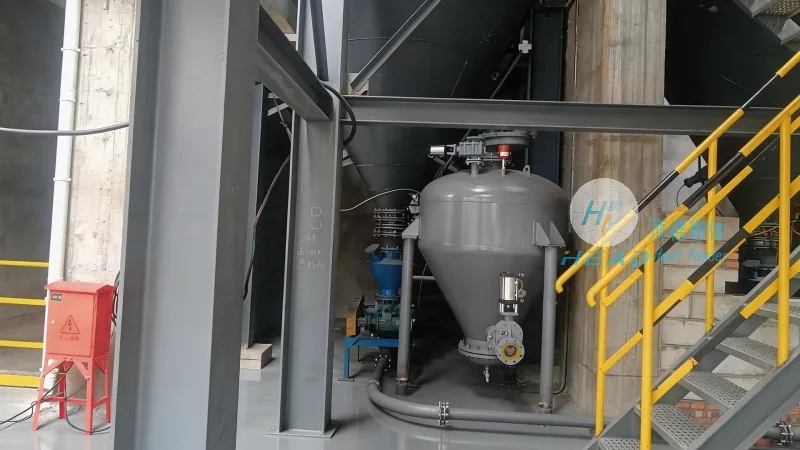
Pneumatic conveying systems have become indispensable in the modern battery production sector, particularly for handling anode materials with precision and efficiency. These systems utilize air or gas to transport bulk materials, offering a flexible and reliable method for moving anode powders and granules from storage to processing units. The choice of system type depends on factors such as material characteristics, process requirements, and operational environment, ensuring optimal performance and minimal material degradation.
Types of Pneumatic Conveying Systems
There are primarily two main categories of pneumatic conveying systems: positive pressure and negative pressure systems. Each type has distinct characteristics and is suitable for different anode material handling scenarios.
Positive Pressure Pneumatic Conveying Systems
Positive pressure systems operate by blowing air or gas into the conveying line, creating a pressure higher than the ambient air pressure. This method is ideal for transporting anode materials over long distances or through complex piping networks. The system typically includes a blower, a hopper for material storage, and a discharge point where the material is released. Positive pressure systems are known for their high conveying capacity and ability to handle abrasive or corrosive materials, making them suitable for handling anode powders that may contain fine particles or have high moisture content.
Negative Pressure Pneumatic Conveying Systems
Negative pressure systems, also known as vacuum conveying systems, operate by creating a vacuum in the conveying line, drawing material from the source into the system. This approach is commonly used for short to medium distance conveying and is particularly effective for handling fine anode powders that are prone to dust generation. Negative pressure systems are often preferred when the material needs to be transported from a low-level source or when the process requires a dust-free environment. They are also suitable for applications where the material is sensitive to pressure changes or where the system needs to be integrated with existing vacuum equipment.
Practical Applications in Anode Material Handling
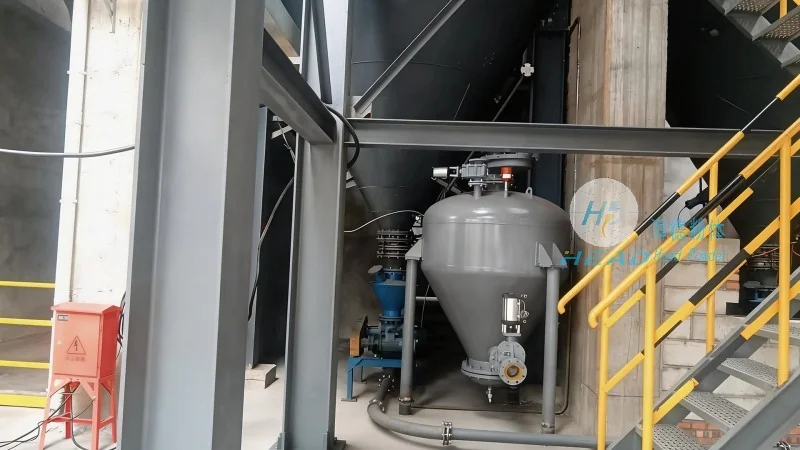
HeadPowder's pneumatic conveying systems are widely applied in various stages of anode material processing, from raw material storage and transfer to the mixing and coating processes. The systems are designed to ensure minimal material loss, reduce contamination, and maintain consistent material quality, which are critical for achieving high-performance batteries.
Raw Material Transfer and Storage
In the initial stage of anode material handling, positive pressure systems are often used to transfer bulk anode powders from storage silos or trucks to processing facilities. The high conveying capacity of these systems allows for efficient material movement, minimizing downtime and ensuring a steady supply of raw materials. The systems are equipped with features such as dust collection and filtration to maintain a clean environment and prevent material contamination.
Mixing and Coating Processes
During the mixing and coating stages, negative pressure systems are frequently employed to transport fine anode powders to mixing equipment or coating machines. The vacuum conveying method ensures that the material is transported gently, preserving its particle size and distribution. This is crucial for maintaining the uniformity of the anode material, which directly impacts the performance of the final battery product. The systems are designed with adjustable flow rates and pressure controls to accommodate different material types and process requirements.
Quality Control and Material Recovery
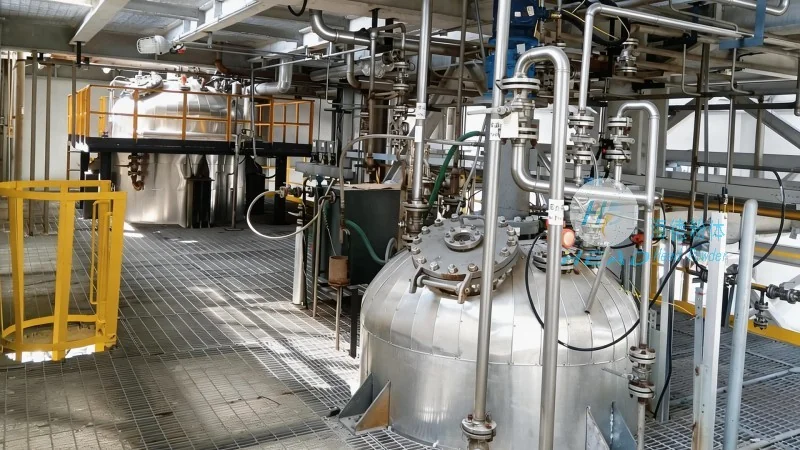
Pneumatic conveying systems also play a role in quality control and material recovery processes. For example, in the case of anode material coating, any excess material or dust can be collected and returned to the system for reprocessing. This not only reduces material waste but also enhances the overall efficiency of the production line. The systems are equipped with sensors and monitoring devices to track material flow and detect any abnormalities, ensuring consistent quality and process reliability.
Technical Advantages and Operational Benefits
The adoption of pneumatic conveying systems for anode material handling offers several technical advantages and operational benefits that contribute to improved productivity and cost-effectiveness in battery manufacturing.
Efficiency and Reliability
Pneumatic conveying systems provide a continuous and reliable method for material transport, reducing the need for manual handling and labor-intensive processes. The automated operation of these systems minimizes human error and ensures consistent material flow, leading to higher production throughput and reduced downtime.
Material Protection and Preservation
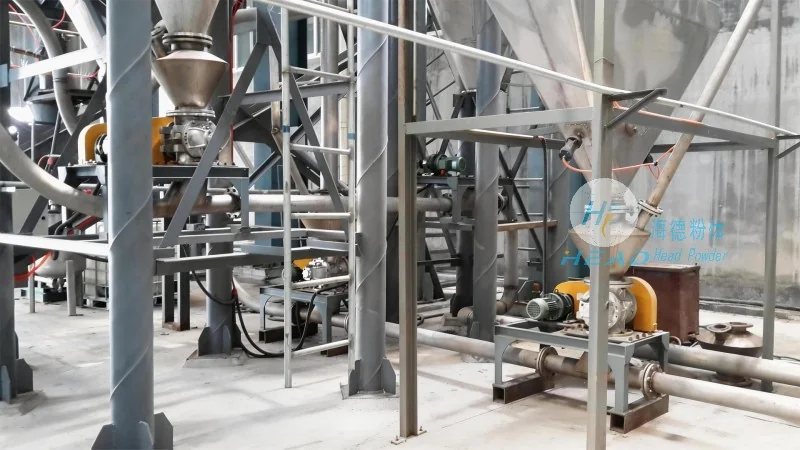
Unlike mechanical conveying methods, pneumatic systems offer a gentler handling approach that minimizes material degradation. The low friction and impact during transport help preserve the particle size and structure of anode materials, which is essential for maintaining their electrical properties and performance in batteries. This is particularly important for fine anode powders that are sensitive to mechanical stress.
Flexibility and Scalability
HeadPowder's pneumatic conveying systems are designed to be flexible and scalable, allowing for easy integration with existing production lines or expansion as production needs grow. The systems can be customized to accommodate different material types, conveying distances, and process requirements, ensuring that they meet the specific needs of each client. This flexibility makes them suitable for a wide range of anode material handling applications, from small-scale pilot plants to large-scale industrial production.
Environmental and Safety Considerations
Pneumatic conveying systems also address environmental and safety concerns associated with anode material handling. The enclosed system design reduces dust emissions and prevents material contamination, contributing to a cleaner and safer working environment. Additionally, the systems are equipped with safety features such as pressure relief valves and emergency shut-off mechanisms to prevent accidents and ensure operator safety.
Conclusion
HeadPowder's pneumatic conveying systems represent a sophisticated solution for the efficient and reliable handling of anode materials in battery manufacturing. By understanding the different types of pneumatic conveying systems and their practical applications, manufacturers can optimize their material handling processes, improve product quality, and enhance overall operational efficiency. With its commitment to innovation and quality, HeadPowder continues to provide advanced material handling solutions that meet the evolving needs of the battery industry.




