For industrial facilities dealing with sintered dust and fly ash, efficient material handling is crucial. Pneumatic conveying systems offer a reliable solution to transport these materials from collection points to processing or disposal areas. This article explores the different types of pneumatic conveying systems used in this context and their practical applications, highlighting the benefits and considerations for each system type.
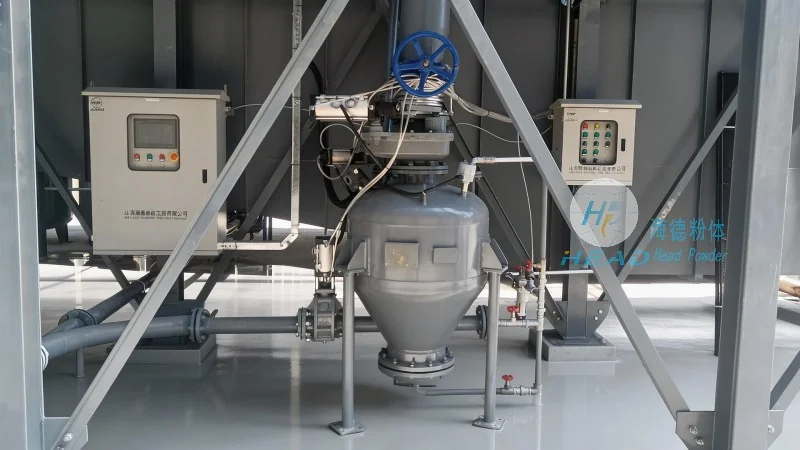
Types of Pneumatic Conveying Systems
There are primarily two main categories of pneumatic conveying systems: positive pressure and negative pressure systems. Each has distinct characteristics that make them suitable for different scenarios in sintered dust and fly ash transport.
Positive pressure systems operate by blowing air or gas into the conveying line, pushing the material forward. These systems are generally more suitable for long-distance and high-capacity transport, as they can maintain consistent pressure and flow rates. They are often used when the material needs to be transported over significant distances or when multiple destinations are involved. The positive pressure system is particularly effective for handling sintered dust and fly ash due to its ability to maintain the material's integrity and prevent clogging in the pipeline.
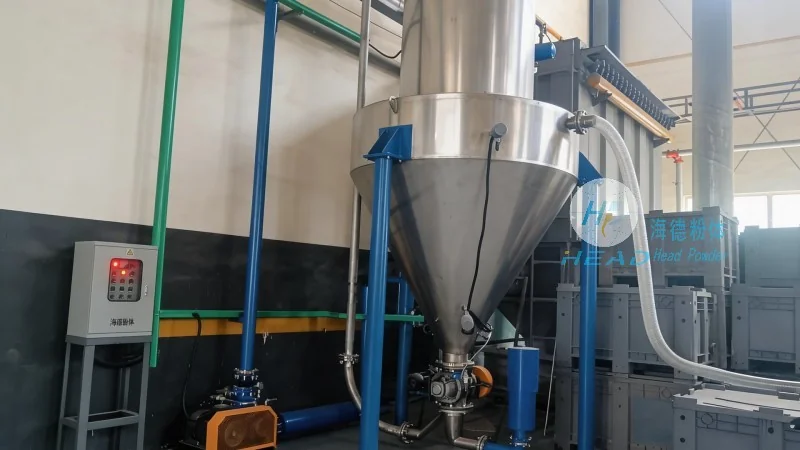
Negative pressure systems, on the other hand, draw material into the system using a vacuum created by a fan or blower at the end of the line. This approach is ideal for short-distance transport or when the material is to be collected from multiple points and transported to a central location. Negative pressure systems are often preferred for applications where the material is sensitive to pressure changes or where the risk of dust emissions is a concern. They are effective for handling fine particles like sintered dust and fly ash, as the vacuum helps to control the material flow and minimize particle loss.
Practical Applications in Sintered Dust and Fly Ash Handling
Positive pressure pneumatic conveying systems are commonly used in large-scale sintering plants where the dust and fly ash need to be transported over long distances to central processing units or storage facilities. These systems are capable of handling high volumes of material and maintaining a consistent flow rate, which is essential for continuous production processes. The robust design of positive pressure systems ensures that the material is transported efficiently without significant degradation, making them suitable for both raw material transport and waste disposal scenarios.
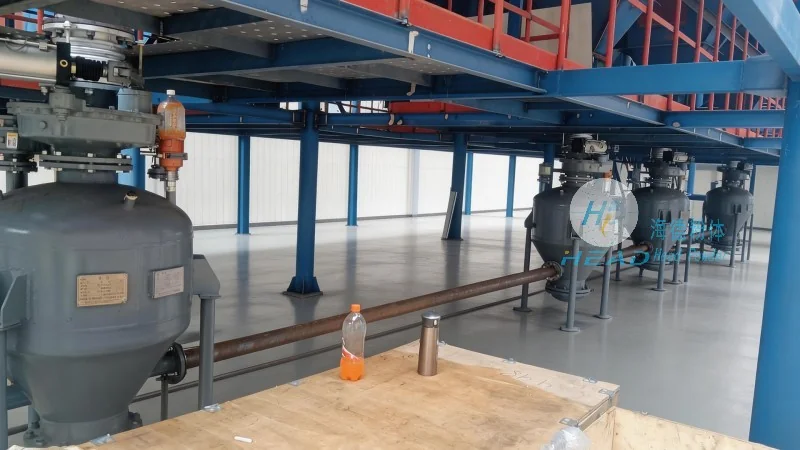
Negative pressure systems are often employed in smaller sintering operations or in applications where the dust and fly ash are collected from multiple points and need to be consolidated into a single collection point. This system is particularly useful for handling fine particles that are prone to dispersion, as the vacuum helps to control the material flow and prevent dust emissions. The negative pressure approach is also beneficial in environments where noise and vibration are concerns, as the system operates more quietly compared to positive pressure systems.
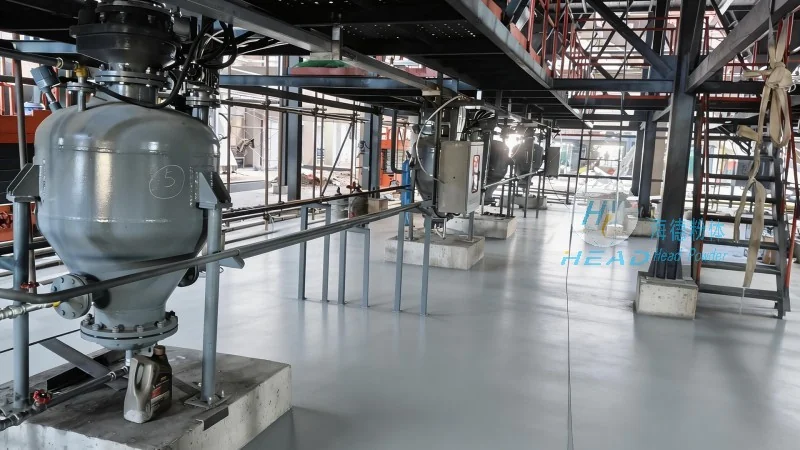
Key Considerations for System Selection
When selecting a pneumatic conveying system for sintered dust and fly ash transport, several factors need to be considered to ensure optimal performance and efficiency. The first consideration is the distance and capacity requirements. For long-distance transport with high material volumes, a positive pressure system is typically more appropriate. For short-distance or low-volume applications, a negative pressure system may be sufficient. Another important factor is the material characteristics, such as particle size, moisture content, and abrasiveness. These factors can affect the system's design and components, such as the pipeline diameter, material of construction, and the type of air or gas used. Additionally, the environmental and safety requirements of the facility must be taken into account. For example, if the material is hazardous or if there are strict regulations on dust emissions, a system with proper filtration and containment measures is necessary.
Conclusion
Pneumatic conveying systems are an essential component in the efficient handling of sintered dust and fly ash in industrial operations. By understanding the different types of systems available and their practical applications, facilities can choose the most suitable solution to meet their specific needs. Whether using a positive pressure or negative pressure system, these technologies offer reliable and efficient material transport, contributing to improved operational efficiency and reduced environmental impact. As a leading provider in this field, Shandong HeadPowder Engineering Co., Ltd. specializes in designing and implementing customized pneumatic conveying solutions tailored to the unique requirements of each industrial application.




