HeadPowder, a leading engineering company based in Shandong, China, specializes in the design and implementation of pneumatic conveying systems tailored for fine material handling. This article explores the different types of pneumatic conveying systems and their practical applications in various industries, highlighting the technological advancements and operational benefits they offer.
Types of Pneumatic Conveying Systems
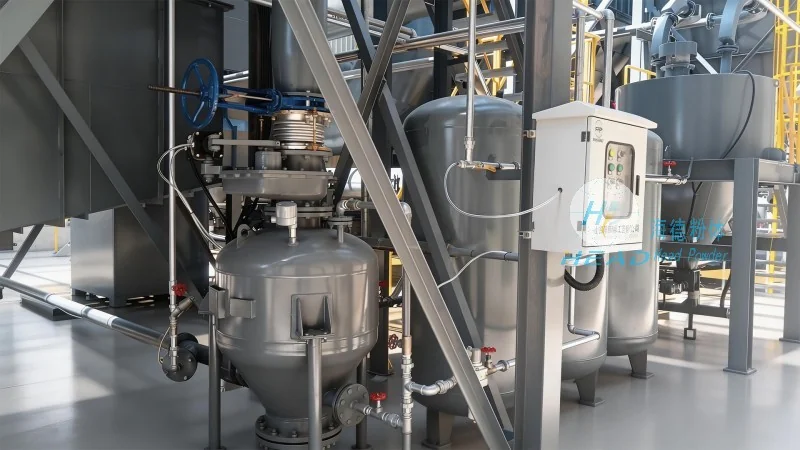
There are primarily two main categories of pneumatic conveying systems: positive pressure and negative pressure systems. Each type has distinct characteristics and is suitable for different material properties and process requirements.
Positive pressure systems, also known as pressure conveying systems, operate by forcing air or gas through the material to be conveyed. This method is ideal for transporting materials over long distances or through complex piping networks. The system typically uses a blower or compressor to generate the necessary pressure, ensuring the material is propelled efficiently. Positive pressure systems are commonly used in industries such as chemicals, pharmaceuticals, and food processing, where the material needs to be handled with minimal contamination and high precision.
Negative pressure systems, or vacuum conveying systems, work by creating a vacuum in the conveying line, which draws the material from the source into the system. This approach is particularly effective for handling fine powders and granules that are prone to dust generation. Negative pressure systems are often preferred in applications where the material is sensitive to moisture or where the process requires a closed environment to prevent contamination. They are widely used in the agricultural, mining, and cement industries, among others.
Additionally, there are hybrid or mixed systems that combine elements of both positive and negative pressure. These systems offer flexibility in handling a variety of materials and process conditions. For instance, a mixed system might use a positive pressure section for the initial transport of bulk material and a negative pressure section for the final handling and collection. This approach allows for optimized energy consumption and operational efficiency, making it suitable for large-scale industrial applications.
Practical Applications in Different Industries
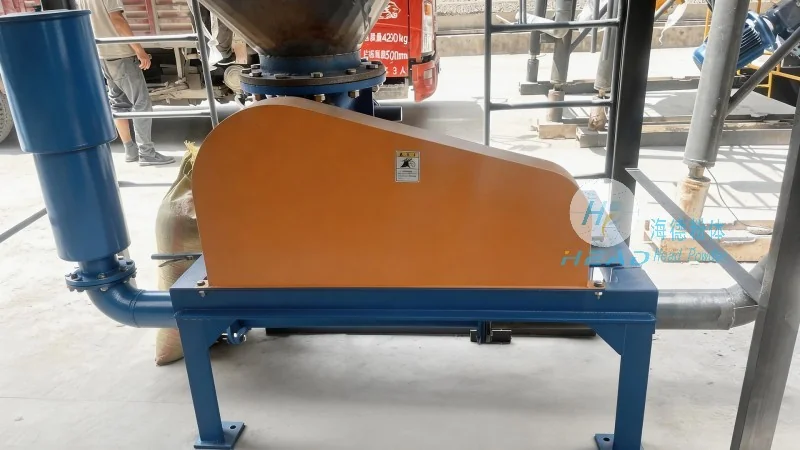
Pneumatic conveying systems are widely adopted across multiple sectors due to their versatility and efficiency in handling fine materials. In the chemical industry, these systems are crucial for transporting powders like pigments, polymers, and catalysts, ensuring consistent quality and minimal product degradation. The precision and control offered by pneumatic conveying help maintain the purity of the materials, which is critical in pharmaceutical manufacturing where even trace contaminants can affect product efficacy.
In the food and beverage industry, pneumatic conveying is used for handling fine ingredients such as flour, sugar, and spices. The systems are designed to be hygienic and easy to clean, adhering to strict food safety regulations. The ability to transport materials in a closed system prevents cross-contamination and maintains the freshness of the products. This is particularly important in the processing of dairy products and baked goods, where the quality of the ingredients directly impacts the final product.
The mining and cement industries also benefit significantly from pneumatic conveying systems. In mining operations, these systems are used to transport fine ores and minerals from processing plants to storage facilities or for further processing. The high efficiency and low maintenance requirements of pneumatic conveying make it an economical choice for large-scale mining operations. In the cement industry, pneumatic conveying is essential for transporting raw materials like limestone and clinker, as well as finished cement products. The systems help in reducing dust emissions and improving overall operational safety in these high-temperature and high-dust environments.
Furthermore, in the agricultural sector, pneumatic conveying is utilized for handling fine grains and seeds. The systems are designed to handle materials with high moisture content and varying particle sizes, ensuring efficient and gentle handling. This is crucial for maintaining the quality of agricultural products during storage and transportation. The use of pneumatic conveying in agriculture also helps in reducing labor costs and improving the overall productivity of farming operations.
Operational Benefits and Considerations
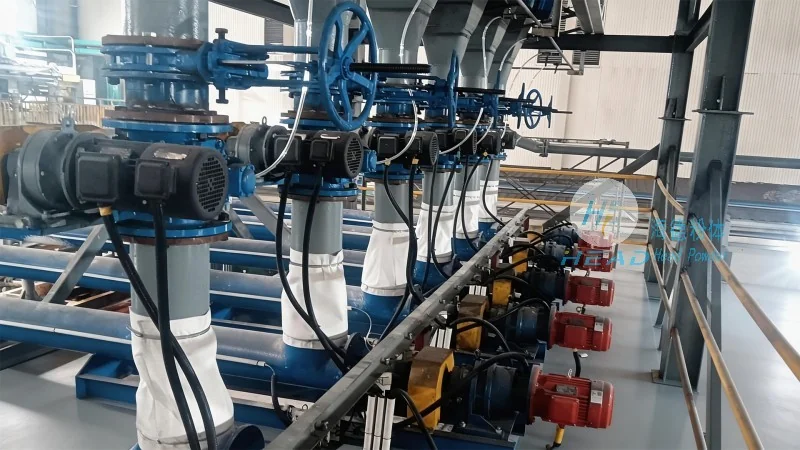
Implementing pneumatic conveying systems offers several operational benefits, including improved material handling efficiency, reduced labor costs, and enhanced safety. The systems can handle materials over long distances with minimal human intervention, leading to increased productivity and reduced downtime. Additionally, pneumatic conveying is a closed system, which helps in controlling dust emissions and maintaining a clean working environment, thereby improving worker safety and compliance with environmental regulations.
However, the selection and design of a pneumatic conveying system require careful consideration of several factors. These include the properties of the material being conveyed, such as particle size, moisture content, and flowability, as well as the distance and layout of the conveying line. The system must be designed to handle the specific characteristics of the material to ensure optimal performance and longevity. For example, materials with high moisture content may require additional drying or conditioning before being conveyed to prevent clogging and equipment damage.
Energy consumption is another important consideration in the operation of pneumatic conveying systems. While these systems are generally energy-efficient, the choice of blower or compressor type and the system design can significantly impact energy usage. Modern systems often incorporate energy-saving features, such as variable frequency drives (VFDs), which adjust the air flow based on the actual conveying requirements, reducing unnecessary energy consumption.
Maintenance and reliability are also critical factors to consider. Proper maintenance, including regular cleaning of the conveying lines and inspection of components, is essential to ensure the system operates efficiently and has a long service life. HeadPowder, with its expertise in engineering and manufacturing, provides comprehensive support for the installation, maintenance, and troubleshooting of pneumatic conveying systems, ensuring that clients can maximize the benefits of these technologies.




