HeadPowder, a leading manufacturer based in Shandong, China, specializes in the design and production of advanced pneumatic conveying systems tailored for agricultural byproducts like paddy husk. This article provides a comprehensive overview of the paddy husk pneumatic conveying equipment, detailing its structural components and operational principles to help users understand its functionality and benefits.
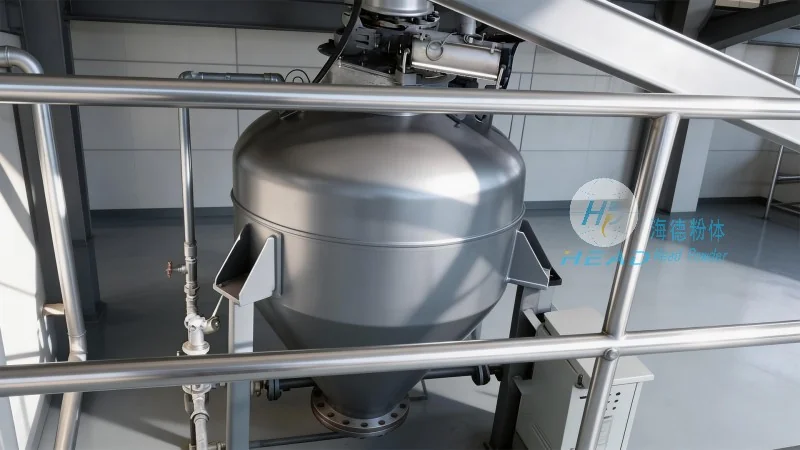
Paddy Husk Pneumatic Conveying Equipment: An Overview
Paddy husk, a natural byproduct of rice processing, is widely used in various industries such as animal feed, biofuel, and paper production. Efficient and reliable transportation of paddy husk is crucial for optimizing production processes and ensuring consistent quality. The paddy husk pneumatic conveying equipment offered by Shandong HeadPowder Engineering Co., Ltd. addresses these needs by providing a safe, hygienic, and energy-efficient solution for moving bulk materials over short to medium distances.
Key Structural Components of the Paddy Husk Pneumatic Conveying System
The paddy husk pneumatic conveying system consists of several critical components that work in tandem to ensure smooth operation. These components include the hopper, which serves as the material storage and feeding unit; the air compressor, responsible for generating the necessary airflow to move the husk; the pipeline system, which transports the material from the hopper to the discharge point; and the control system, which regulates the airflow and pressure to maintain optimal conveying conditions.
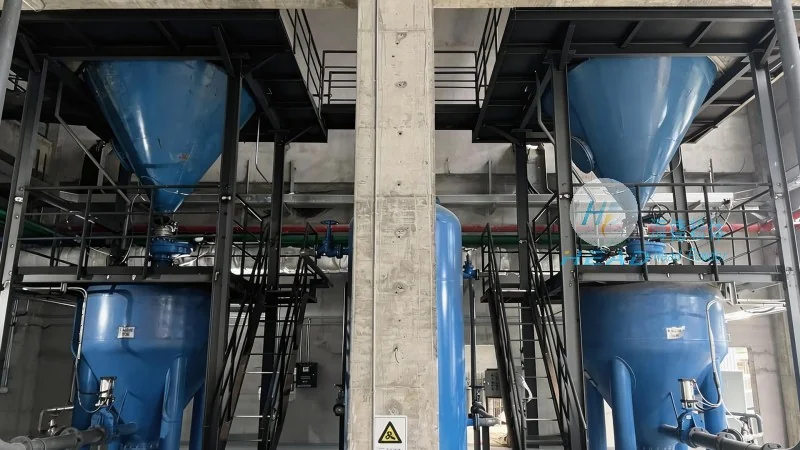
Working Principle of the Paddy Husk Pneumatic Conveying Equipment
The operation of the paddy husk pneumatic conveying equipment is based on the principle of pneumatic transport, where material is suspended and carried by a stream of air. The process begins with the material being fed into the hopper, where it is then drawn into the pipeline by the air compressor. The air, moving at high velocity, creates a low-pressure zone that pulls the paddy husk particles into the airflow. As the material travels through the pipeline, it is continuously mixed with the air, ensuring uniform transportation. The system can operate in both positive and negative pressure modes, allowing flexibility in application based on the specific requirements of the user.
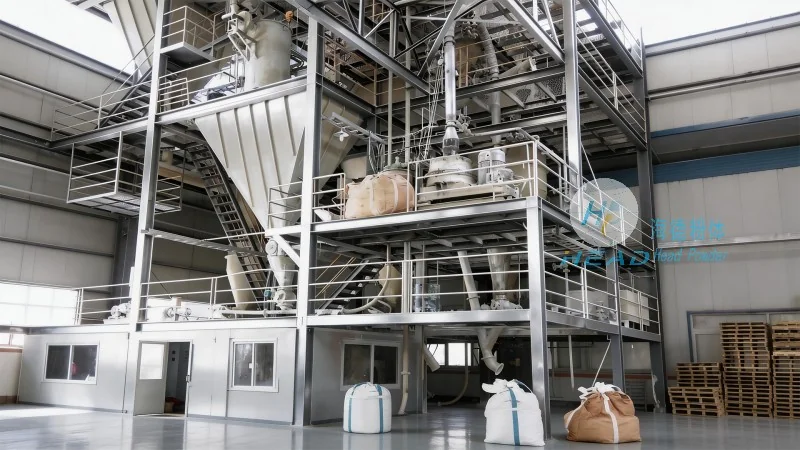
Advantages of Using Paddy Husk Pneumatic Conveying Equipment
Implementing a paddy husk pneumatic conveying system offers several advantages over traditional methods like belt conveyors or manual handling. These benefits include reduced labor costs, improved safety by eliminating manual handling of bulk materials, and enhanced hygiene as the system is enclosed, preventing contamination. Additionally, the equipment is designed for low maintenance, with components that are easy to access and replace, ensuring minimal downtime and maximum operational efficiency.
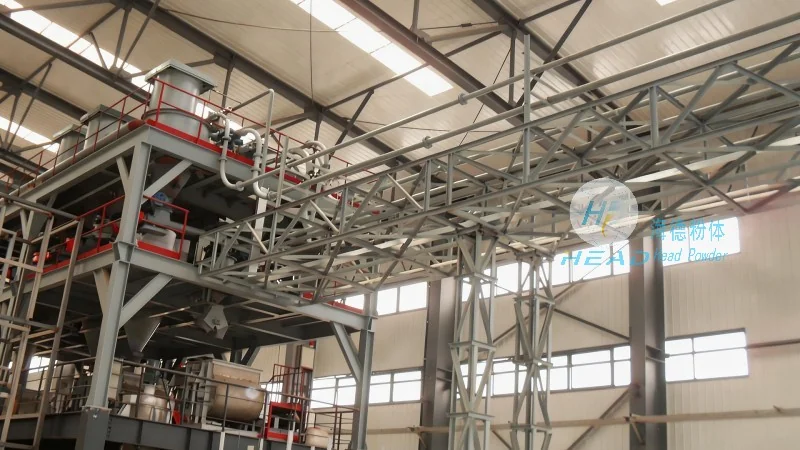
Application Scenarios and Customization Options
The paddy husk pneumatic conveying equipment from HeadPowder is versatile and can be customized to suit various application scenarios. It is commonly used in rice mills, biofuel plants, and animal feed processing facilities. The system can be configured for different conveying distances, material capacities, and pressure requirements, making it adaptable to a wide range of industrial needs. Customization options include different hopper sizes, pipeline materials (such as stainless steel or plastic), and control system features to meet specific operational demands.
Conclusion
In conclusion, the paddy husk pneumatic conveying equipment from Shandong HeadPowder Engineering Co., Ltd. is a reliable and efficient solution for transporting paddy husk in agricultural and industrial settings. By understanding its structural components and working principles, users can make informed decisions about implementing this technology to enhance their production processes and improve overall operational performance.




