HeadPowder, a leading provider of material handling solutions, specializes in the design and implementation of efficient pneumatic conveying systems tailored for the transport of aluminum turnings. This article explores the various types of pneumatic conveying systems and their practical applications in industrial settings, emphasizing the expertise of Shandong HeadPowder Engineering Co., Ltd., based in Shandong, China.
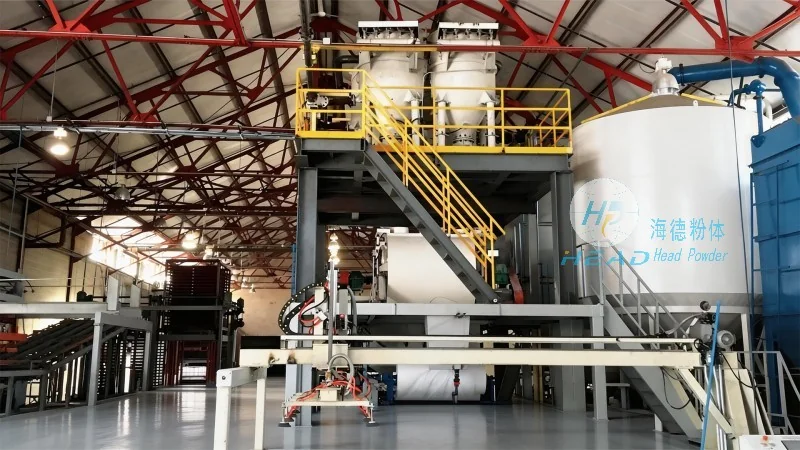
Pneumatic Conveying Systems: An Overview
Pneumatic conveying systems utilize air or other gases to transport bulk materials like aluminum turnings through a network of pipes. These systems are widely adopted in the aluminum processing industry due to their ability to handle abrasive materials, minimize contamination, and maintain a clean working environment. The choice of system type depends on factors such as material characteristics, distance, and operational requirements.
Types of Pneumatic Conveying Systems for Aluminum Turnings
There are primarily two types of pneumatic conveying systems used for aluminum turnings: dilute-phase and dense-phase systems. Dilute-phase systems, also known as low-pressure or high-velocity systems, rely on high-velocity air to move material in a suspended state. This method is suitable for short to medium distances and low to moderate material loads. Dense-phase systems, on the other hand, use lower air velocities and higher material concentrations, ensuring a more controlled and stable flow, which is ideal for longer distances and sensitive materials.
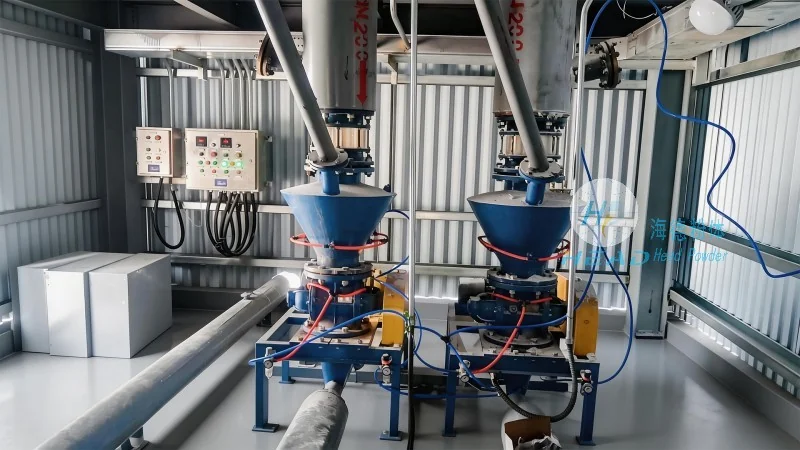
Practical Applications of Pneumatic Conveying Systems
HeadPowder's pneumatic conveying systems are applied in various stages of aluminum processing, including from raw material handling to finished product packaging. For instance, in foundries, these systems efficiently transport aluminum turnings from storage silos to melting furnaces, reducing manual labor and improving safety. In recycling facilities, they facilitate the transfer of reclaimed aluminum turnings between sorting and reprocessing units, optimizing the recycling process. Additionally, in manufacturing plants, the systems help in moving aluminum turnings from grinding and polishing operations to collection bins, ensuring a continuous and clean production flow.
Key Benefits of Using Pneumatic Conveying Systems for Aluminum Turnings
Implementing pneumatic conveying systems for aluminum turnings offers several advantages. Firstly, they provide a dust-free and hygienic environment, which is crucial for maintaining product quality and meeting regulatory standards. Secondly, these systems reduce the risk of material contamination, as they operate in enclosed pipes, preventing exposure to external elements. Thirdly, they enhance operational efficiency by automating material transport, leading to increased production throughput and reduced downtime. Lastly, the systems are adaptable to different production scales, from small-scale operations to large industrial plants.
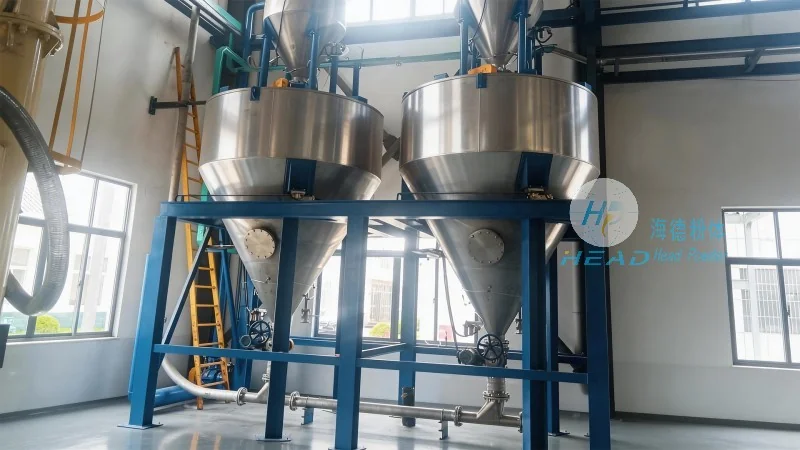
Customization and Installation by Shandong HeadPowder Engineering Co., Ltd.
Shandong HeadPowder Engineering Co., Ltd. specializes in customizing pneumatic conveying solutions to meet the specific needs of aluminum processing facilities. The company's engineers conduct thorough assessments of client requirements, including material properties, transport distances, and operational constraints, to design an optimal system. The installation process involves precise pipe layout, air pressure management, and integration with existing production lines. HeadPowder ensures that all systems are compliant with industry standards and are maintained for long-term reliability, providing ongoing support to clients.
Conclusion
Pneumatic conveying systems are a vital component in the efficient and safe transport of aluminum turnings. By leveraging the expertise of Shandong HeadPowder Engineering Co., Ltd., industrial facilities can enhance their material handling processes, improve operational efficiency, and maintain high product quality. The company's commitment to tailored solutions and reliable service makes it a trusted partner in the aluminum processing industry.




