Efficient and reliable transportation of dry desulfurizers is crucial in modern industrial processes, particularly in power plants and other facilities that rely on flue gas desulfurization to reduce sulfur dioxide emissions. The pneumatic conveying system for dry desulfurizers plays a vital role in ensuring the smooth operation of these systems by safely and effectively moving the desulfurizing agent from storage to the reaction point. This article provides an overview of the dry desulfurizer pneumatic conveying system, detailing its structure and operational principles to help readers understand its importance and functionality.
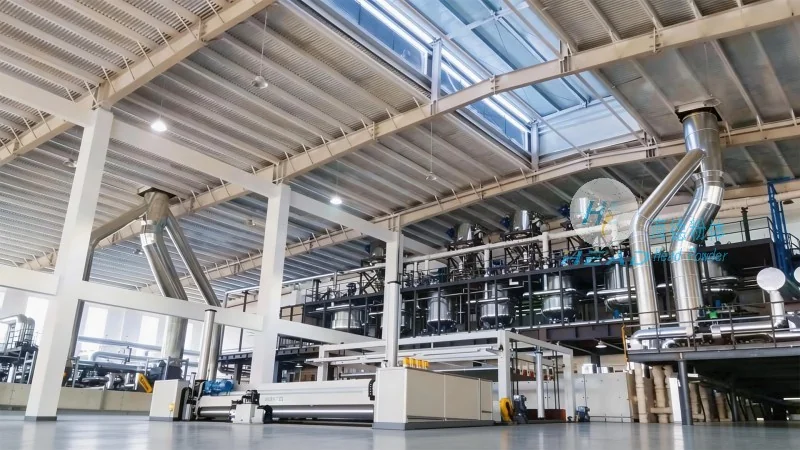
Overview of the Dry Desulfurizer Pneumatic Conveying System
The dry desulfurizer pneumatic conveying system is a specialized equipment designed to handle dry desulfurizing agents, such as limestone or other alkaline materials, used in flue gas desulfurization processes. Unlike traditional bulk material handling methods that rely on gravity or mechanical conveyors, this system utilizes compressed air to transport the desulfurizer particles through a pipeline network. The primary goal of this system is to maintain a consistent flow rate and pressure, ensuring that the desulfurizer reaches the reaction tower or absorber at the required concentration and in a controlled manner. The system is engineered to handle various particle sizes and densities, making it versatile for different industrial applications.
Key Components of the Pneumatic Conveying System
The dry desulfurizer pneumatic conveying system consists of several critical components that work in tandem to achieve efficient material transport. These components include the material storage silo, the feeder system, the air compressor, the conveying pipeline, the control valves, and the discharge equipment. Each component plays a specific role in the overall operation of the system, and their proper integration is essential for optimal performance.
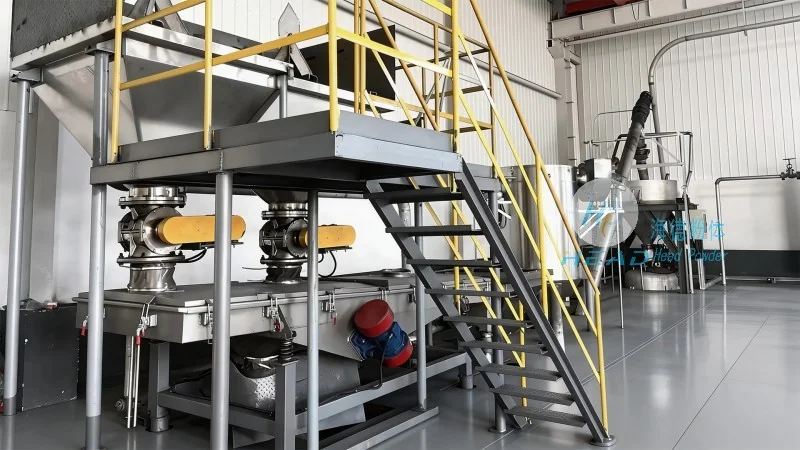
The material storage silo is typically a large, airtight container that holds the dry desulfurizer. It is equipped with a hopper at the bottom, which connects to the feeder system. The feeder, often a rotary valve or a screw feeder, regulates the flow of desulfurizer from the silo to the pipeline. The air compressor generates the necessary pressure and volume of air to move the material through the pipeline. The conveying pipeline is usually made of stainless steel or other corrosion-resistant materials to withstand the chemical properties of the desulfurizer and the air. Control valves are used to adjust the air flow and pressure, ensuring that the system operates within safe and efficient parameters. Finally, the discharge equipment, such as a spray nozzle or a distribution header, releases the desulfurizer into the reaction tower or absorber, where it reacts with sulfur dioxide to form gypsum or other byproducts.
Working Principle of the Pneumatic Conveying System
The operation of the dry desulfurizer pneumatic conveying system is based on the principle of pneumatic transport, where the desulfurizer particles are suspended and carried by the moving air stream. The process begins with the feeder system drawing the desulfurizer from the storage silo and feeding it into the conveying pipeline. Simultaneously, the air compressor supplies compressed air into the pipeline, creating a high-velocity air flow. As the air and desulfurizer particles mix, the particles become entrained in the air stream and are transported through the pipeline to the discharge point. The air flow velocity is carefully controlled to ensure that the particles remain suspended without settling or causing blockages. At the discharge point, the air and desulfurizer are separated, and the air is typically recycled back to the compressor or released into the atmosphere, while the desulfurizer is directed to the reaction tower.
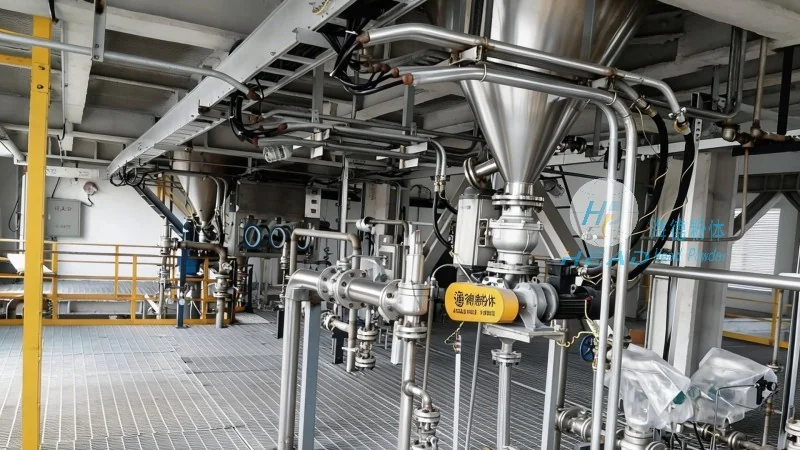
Advantages of the Dry Desulfurizer Pneumatic Conveying System
Compared to traditional conveying methods, the pneumatic conveying system for dry desulfurizers offers several advantages that make it a preferred choice in industrial applications. One of the key benefits is its ability to handle fine particles and maintain a consistent flow rate, which is essential for maintaining the efficiency of the flue gas desulfurization process. The system is also relatively compact and can be installed in a variety of locations, making it suitable for both new and retrofit projects. Additionally, the system is less prone to material buildup and blockages compared to mechanical conveyors, reducing maintenance requirements and downtime. The use of compressed air also allows for better control over the material flow, enabling precise adjustment of the desulfurizer concentration in the reaction tower. Furthermore, the system is designed to be safe and reliable, with built-in safety features such as pressure relief valves and air filtration systems to prevent accidents and ensure environmental compliance.
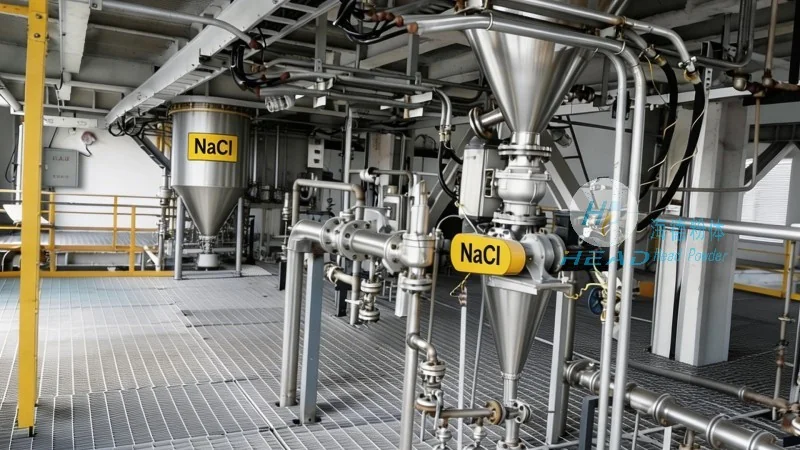
Application and Integration in Industrial Facilities
The dry desulfurizer pneumatic conveying system is widely used in power plants, chemical plants, and other industrial facilities that employ flue gas desulfurization to meet environmental regulations. The system is typically integrated into the overall flue gas treatment process, where the desulfurizer is transported from the storage area to the reaction tower or absorber. The system's design allows for seamless integration with existing infrastructure, minimizing the need for major modifications to the facility. The system can be customized to meet the specific requirements of different applications, such as varying particle sizes, flow rates, and pressure levels. This flexibility makes it suitable for a wide range of industrial processes, from small-scale power generation to large-scale coal-fired power plants.
Maintenance and Operational Considerations
To ensure the long-term performance and reliability of the dry desulfurizer pneumatic conveying system, regular maintenance and proper operational considerations are essential. The system components, such as the feeder, pipeline, and air compressor, require periodic inspection and cleaning to prevent clogging and ensure optimal performance. The air filtration system must be maintained to prevent dust accumulation and maintain air quality. Additionally, the system's control valves and sensors should be checked regularly to ensure accurate monitoring and control of the air flow and pressure. Proper training of operators is also crucial to ensure that the system is operated according to the manufacturer's guidelines, minimizing the risk of accidents and equipment damage. By following these maintenance and operational practices, the system can operate efficiently and reliably for many years, providing consistent performance in the flue gas desulfurization process.




