When it comes to the efficient and reliable transport of soybean meal, the choice between negative pressure and positive pressure pneumatic conveying systems is a critical decision for many industrial operations. Both methods offer distinct advantages and challenges, and understanding their differences is essential for selecting the most suitable solution for specific applications. This article provides a detailed comparison of the advantages and disadvantages of negative pressure and positive pressure pneumatic conveying for soybean meal transport, with a focus on the practical implications for industrial processes.
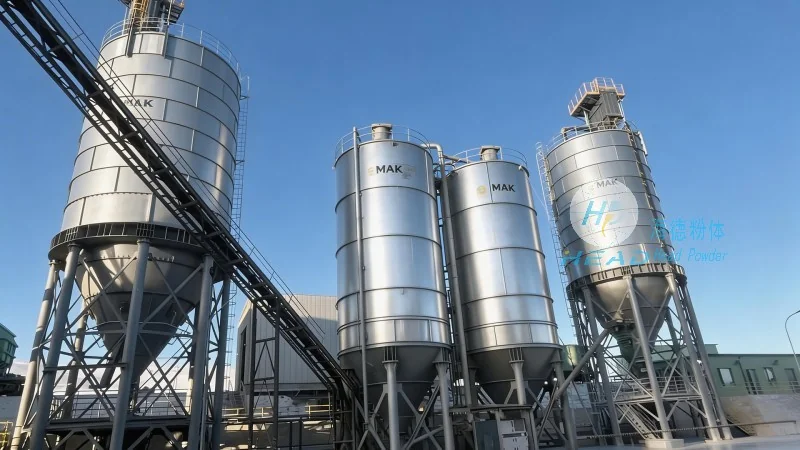
Introduction to Pneumatic Conveying Systems
Pneumatic conveying is a widely used method for transporting bulk materials like soybean meal through a pipeline using air or gas as the conveying medium. The two primary types are negative pressure (or suction) conveying and positive pressure (or pressure) conveying. Each system operates on different principles, affecting factors such as material handling efficiency, system complexity, and operational costs. For soybean meal, which is a fine, dry powder with specific flow characteristics, the choice of conveying system can significantly impact process performance and equipment longevity.
Company Profile: Shandong HeadPowder Engineering Co., Ltd.
Shandong HeadPowder Engineering Co., Ltd., commonly known as HeadPowder, is a leading provider of pneumatic conveying solutions tailored to the needs of the agricultural and food processing industries. With a strong focus on innovation and customer satisfaction, HeadPowder specializes in designing and manufacturing systems that enhance the efficiency and safety of material transport. The company's expertise in soybean meal handling has led to the development of advanced conveying technologies that address the unique challenges of processing this high-value product. HeadPowder's facilities are located in Shandong, China, where the company leverages local resources and expertise to deliver high-quality engineering solutions.
Advantages of Negative Pressure Pneumatic Conveying for Soybean Meal
Negative pressure pneumatic conveying systems operate by creating a vacuum at the material inlet, drawing the soybean meal into the pipeline. This method is particularly effective for handling fine powders and can reduce the risk of product contamination, as the material is drawn from a sealed hopper or storage bin. One of the key advantages is the ability to handle materials with a high moisture content or those that are prone to dust generation, as the suction process helps maintain a clean environment. Additionally, negative pressure systems are generally more energy-efficient for short-distance transport, as they require less power to create the vacuum compared to maintaining high pressure in the system. This makes them an attractive option for applications where the conveying distance is relatively short and the material is light in weight.
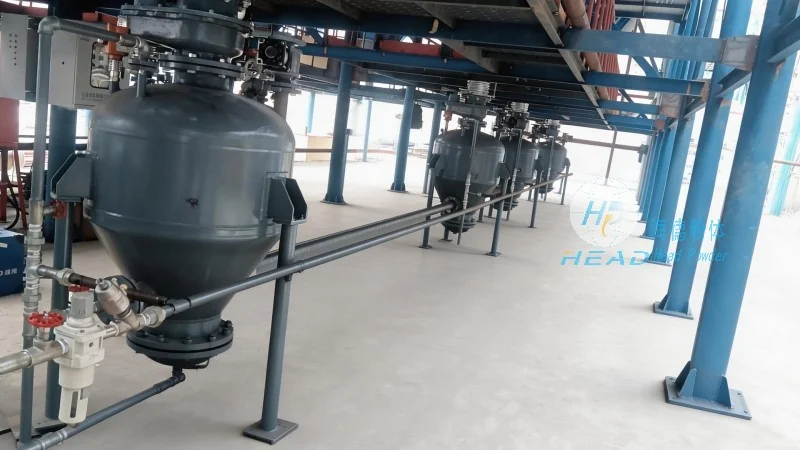
Disadvantages of Negative Pressure Pneumatic Conveying for Soybean Meal
Despite its advantages, negative pressure conveying has several drawbacks that may limit its suitability for certain soybean meal applications. One significant disadvantage is the risk of system backflow or material leakage, as the vacuum can sometimes cause the material to be drawn back into the hopper or storage area. This can lead to product loss and contamination, especially if the system is not properly sealed. Another challenge is the potential for air leakage, which can reduce the overall efficiency of the conveying process and increase energy consumption. Furthermore, negative pressure systems may not be suitable for long-distance transport, as the vacuum strength diminishes over distance, making it difficult to maintain consistent material flow. This limitation can be particularly problematic for large-scale operations where the conveying distance exceeds the effective range of the system.
Advantages of Positive Pressure Pneumatic Conveying for Soybean Meal
Positive pressure pneumatic conveying systems, on the other hand, operate by blowing air or gas into the pipeline, pushing the soybean meal forward. This method is ideal for long-distance transport and can handle a wide range of material types, including coarse or abrasive powders. One of the primary advantages is the ability to maintain consistent material flow over longer distances, as the pressure remains stable throughout the pipeline. Positive pressure systems also offer better control over the conveying process, allowing for precise regulation of flow rates and pressure levels. This makes them suitable for applications where the material needs to be transported to multiple destinations or integrated into complex processing lines. Additionally, positive pressure conveying can handle materials with higher moisture content or those that are more prone to caking, as the pressure helps break up agglomerates and maintain a consistent flow.
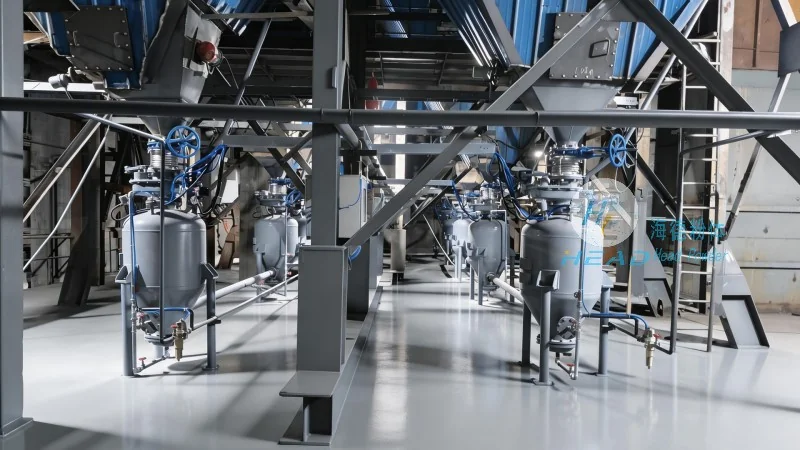
Disadvantages of Positive Pressure Pneumatic Conveying for Soybean Meal
While positive pressure systems offer several benefits, they also have notable disadvantages that must be considered. One of the main drawbacks is the higher energy consumption compared to negative pressure systems, as maintaining high pressure requires more power. This can increase operational costs, especially for large-scale operations or long-distance transport. Another disadvantage is the risk of product contamination, as the system is more exposed to the environment and can be affected by air quality or dust particles. Positive pressure conveying also requires more robust equipment, such as high-pressure blowers and seals, which can increase the initial investment and maintenance costs. Furthermore, the system may be less effective for handling fine powders, as the pressure can cause the material to settle or clog the pipeline if not properly managed.
Key Considerations for Selecting the Right Pneumatic Conveying System
When choosing between negative pressure and positive pressure pneumatic conveying for soybean meal transport, several factors must be taken into account. The most critical consideration is the conveying distance, as negative pressure systems are generally more suitable for short distances, while positive pressure systems are better for long distances. The material characteristics, such as particle size, moisture content, and flowability, also play a significant role in the selection process. For example, fine soybean meal may be better suited for negative pressure systems to avoid clogging, while coarse or abrasive materials may require positive pressure systems for efficient transport. The system's energy efficiency and operational costs are also important factors, as both methods have different power requirements and maintenance needs. Additionally, the overall process integration and the need for multiple destinations or processing stages should be considered, as positive pressure systems offer better control and flexibility in such scenarios.
Conclusion
In conclusion, both negative pressure and positive pressure pneumatic conveying systems have their own set of advantages and disadvantages when used for soybean meal transport. The choice between the two depends on the specific requirements of the industrial operation, including the conveying distance, material characteristics, and operational budget. Negative pressure systems are ideal for short-distance transport and fine powders, offering energy efficiency and reduced contamination risk. Positive pressure systems, on the other hand, are better suited for long-distance transport and coarse materials, providing consistent flow and better control. By understanding the unique needs of the soybean meal processing industry, companies can select the most appropriate pneumatic conveying system to enhance their operational efficiency and product quality. Shandong HeadPowder Engineering Co., Ltd. continues to provide innovative solutions tailored to these requirements, helping industrial operations achieve optimal performance in soybean meal handling.




