Advantages and Disadvantages of Negative Pressure and Positive Pressure Conveying in White Flour Pne
Release time:2026-09-14 10:45:57
name of the company:Shandong Headpowder Engineering Co., Ltd.
telephone:156-6277-7102
contacts:Zhang manager
White flour pneumatic conveying is a critical process in the flour milling industry, ensuring efficient and safe material transport from storage to processing units. Among the various conveying methods, negative pressure and positive pressure systems are two primary approaches, each with distinct characteristics that impact operational efficiency, cost, and product quality. This article provides a comprehensive comparison of the advantages and disadvantages of negative pressure versus positive pressure conveying in the context of white flour handling, with insights from industry experts at Shandong HeadPowder Engineering Co., Ltd., a leading provider of pneumatic conveying solutions based in China.
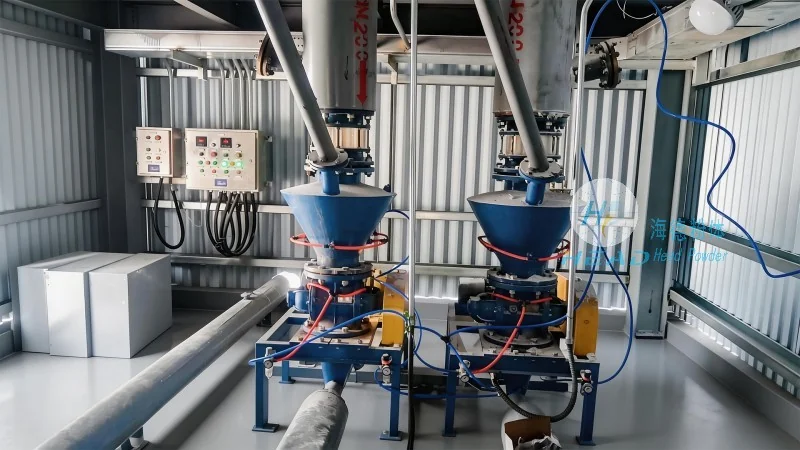
Understanding Pneumatic Conveying Systems
Pneumatic conveying uses air to transport bulk materials like white flour through a pipeline system. The two main categories are negative pressure (or vacuum) and positive pressure systems. Negative pressure systems operate by creating a vacuum at the receiving end, drawing material into the pipeline, while positive pressure systems blow air and material through the line from a pressurized source. The choice between these systems depends on factors such as material properties, system layout, and operational requirements.
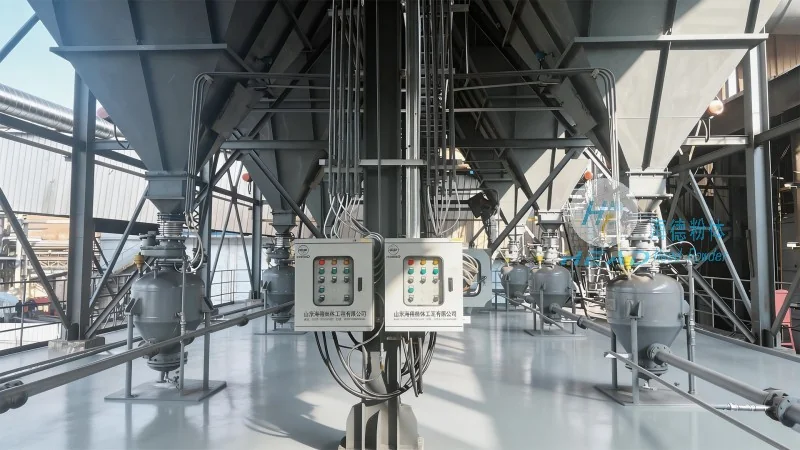
Advantages of Negative Pressure Conveying in White Flour Handling
Negative pressure conveying, also known as vacuum conveying, offers several benefits for white flour transport. One key advantage is its ability to handle fine, dust-like materials without causing excessive particle breakage. The low velocity of air in the pipeline minimizes the risk of flour degradation, preserving the product's quality and texture. Additionally, negative pressure systems are often more energy-efficient for short-distance conveying, as they require less power to create a vacuum compared to maintaining high pressure in a positive system. This makes them suitable for applications where the conveying distance is relatively short, such as moving flour from silos to a processing plant within a few hundred meters.
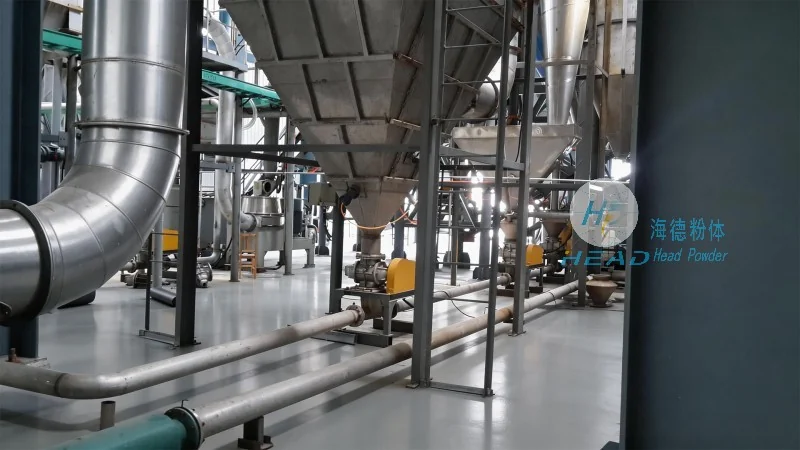
Another advantage is the reduced risk of product contamination. Since the system draws material into the pipeline rather than forcing it out, there is less chance of cross-contamination from external sources or equipment. This is particularly important in food processing, where maintaining product purity is paramount. Negative pressure systems also allow for more flexible system design, as the receiving hopper can be located at a higher elevation than the source, enabling gravity-assisted material flow in some cases. This flexibility can simplify installation and reduce the need for additional equipment like elevators or conveyors.




