

What is a Rice Bran Powder Pneumatic Conveying Equipment? And What Are Its Design Principles?
For industrial applications involving the handling of rice bran powder, efficient and reliable material transport is crucial. The rice bran powder pneumatic conveying equipment, developed by Shandong HeadPowder Engineering Co., Ltd. based in China, offers a sophisticated solution to meet these demands. This equipment is engineered to handle the unique properties of rice bran powder, ensuring safe, efficient, and low-damage material transport from source to destination.
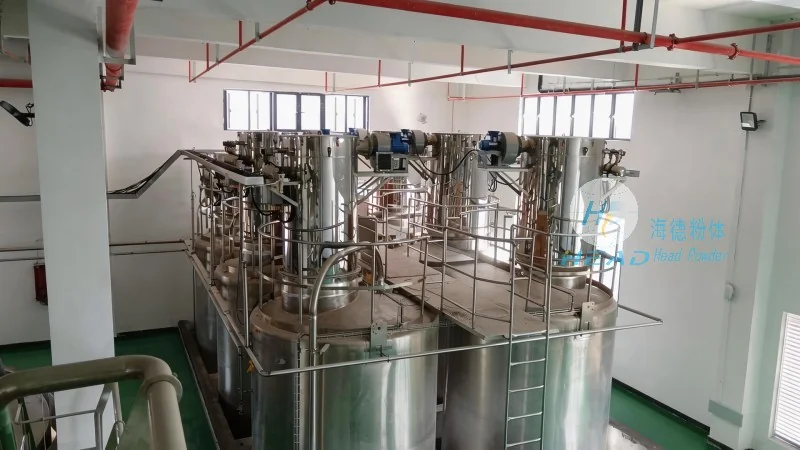
Understanding Pneumatic Conveying Technology
Pneumatic conveying is a method of transporting bulk materials through a pipeline using air or other gases. In the context of rice bran powder, this technology is particularly effective due to the powder's fine particle size and potential for dust generation. The system typically consists of a hopper, a conveyor line, and a receiver, all connected by a network of pipes. The operation relies on the creation of a pressure differential, where air is introduced to move the powder through the system. This approach eliminates the need for mechanical components like belts or screws, reducing maintenance and operational costs.
Key Components of the Equipment
The rice bran powder pneumatic conveying equipment from Shandong HeadPowder Engineering Co., Ltd. includes several critical components that work in harmony to ensure optimal performance. The primary components are the material hopper, which stores the rice bran powder and provides a controlled feed; the air compressor or blower, which generates the necessary air pressure to move the powder; the conveying line, which consists of flexible or rigid pipes designed to withstand the pressure and material flow; and the receiver, where the material is deposited after transport. Additionally, the system may include a filter or dust collector to manage air quality and prevent contamination, as well as a control panel for monitoring and adjusting the conveying process.
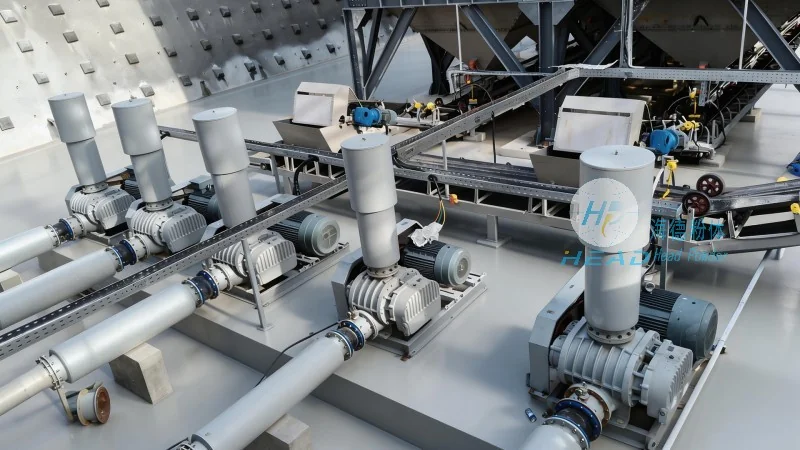
Design Principles and Engineering Considerations
The design of the rice bran powder pneumatic conveying equipment adheres to several key principles to ensure efficiency and reliability. First, the system is designed to minimize particle breakage and agglomeration, which are common issues with fine powders like rice bran. This is achieved through the use of smooth, low-friction pipe surfaces and gentle air flow patterns. Second, the equipment is engineered to handle variations in material moisture content and flow rate, ensuring consistent performance under different operating conditions. Third, the design prioritizes safety, incorporating features such as pressure relief valves and dust suppression systems to prevent accidents and environmental contamination. The engineering team at Shandong HeadPowder Engineering Co., Ltd. employs advanced computational fluid dynamics (CFD) and material flow analysis to optimize the system's design, ensuring that the equipment meets the specific requirements of rice bran powder handling applications.
Benefits of Using Pneumatic Conveying for Rice Bran Powder
Implementing the rice bran powder pneumatic conveying equipment offers numerous benefits for industrial operations. One of the most significant advantages is the reduction in labor costs, as the system automates the material transport process, eliminating the need for manual handling. Additionally, the equipment minimizes material loss and contamination, as the enclosed system prevents dust and spillage. The low maintenance requirements of pneumatic conveying also contribute to cost savings, as there are fewer moving parts compared to traditional mechanical systems. Furthermore, the system's flexibility allows for easy integration into existing production lines, enabling seamless material flow from storage to processing or packaging. The equipment's ability to handle high volumes of material efficiently also improves overall production throughput, enhancing operational efficiency.
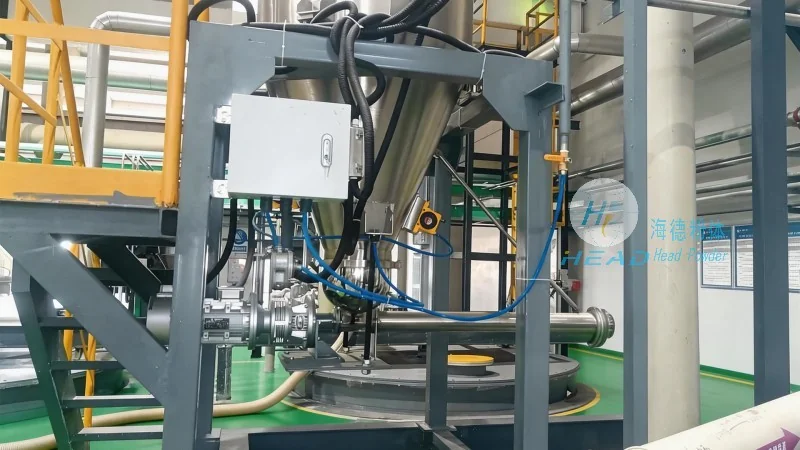
Application Scenarios and Industry Use Cases
The rice bran powder pneumatic conveying equipment is widely used in various industries that process rice bran, including food processing, animal feed production, and biofuel manufacturing. In food processing, the equipment is used to transport rice bran from storage silos to processing units, ensuring a consistent supply of raw material for products like rice bran oil or rice bran extract. In animal feed production, the system efficiently moves rice bran to feed mills, where it is blended with other ingredients to create high-quality animal feed. In biofuel applications, the equipment transports rice bran to processing facilities for conversion into bioethanol or other renewable energy sources. The versatility of the system makes it suitable for a range of applications, from small-scale operations to large industrial plants, providing a reliable solution for rice bran powder handling.
Maintenance and Operational Guidelines
To ensure the longevity and optimal performance of the rice bran powder pneumatic conveying equipment, regular maintenance and proper operational guidelines are essential. The system should be inspected regularly for signs of wear and tear, such as pipe leaks or air compressor issues. The filter and dust collector should be cleaned or replaced as needed to maintain air quality and prevent clogging. The control panel should be checked to ensure that the system is operating within the specified pressure and flow ranges. Additionally, the equipment should be operated by trained personnel who understand the principles of pneumatic conveying and can respond to any issues that may arise. Following the manufacturer's guidelines for maintenance and operation will help to maximize the equipment's lifespan and minimize downtime.