

What is an Automatic Weighing and Powder Pneumatic Conveying Line? And What Are Its Design Principle
For industries dealing with bulk powders, efficient and precise material handling is crucial. The automatic weighing and powder pneumatic conveying line is a specialized system designed to streamline the process of weighing, mixing, and transporting dry powders. This article explores the fundamental aspects of such a system, including its design principles and operational capabilities.
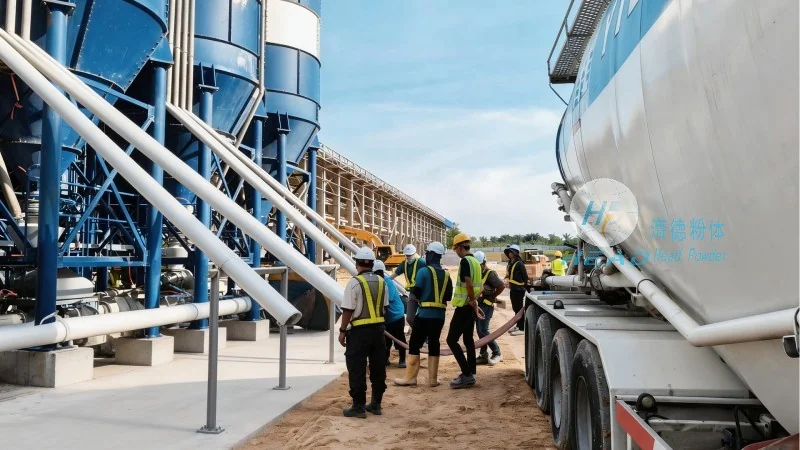
Understanding the Core Components of the System
The automatic weighing and powder pneumatic conveying line typically consists of several key components that work in tandem to ensure accurate and reliable material handling. These components include feeders, weighing scales, mixing units, and pneumatic conveying equipment. Each part plays a critical role in the overall functionality of the system.
Feeding mechanisms are responsible for delivering the raw powder materials into the system at a controlled rate. These can be volumetric or gravimetric feeders, depending on the application requirements. The weighing scales, often integrated with the feeders, provide real-time measurement of the material mass, ensuring precise dosing. Mixing units then combine the different powders as per the required formulation, while the pneumatic conveying system transports the mixed material to the final destination, such as a storage silo or processing unit.
Design Principles Behind the System
The design of an automatic weighing and powder pneumatic conveying line is guided by several key principles aimed at maximizing efficiency, accuracy, and safety. One of the primary principles is the integration of gravimetric weighing technology, which provides high-precision measurement of material mass, eliminating errors associated with volumetric feeding. This is particularly important for applications where exact material ratios are critical, such as in pharmaceuticals, food processing, or chemical manufacturing.
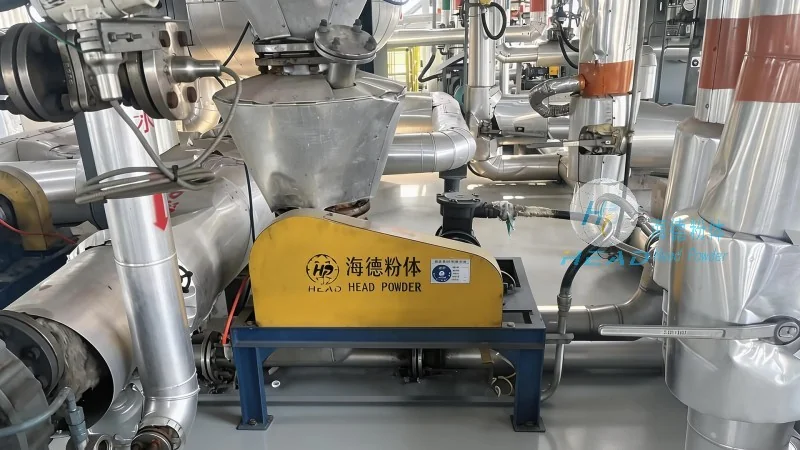
Another critical design principle is the use of a closed-loop pneumatic conveying system. This design minimizes material loss and contamination, ensuring that the powder remains in a controlled environment throughout the conveying process. The system often employs positive pressure or negative pressure conveying methods, depending on the material characteristics and the distance to be covered. The choice of conveying method is determined by factors like powder density, flowability, and the need to prevent dust emissions.
Furthermore, the system is designed with modularity in mind, allowing for easy integration with existing production lines and future expansion. This flexibility is essential for adapting to changing production demands or new product formulations. The control system, typically a programmable logic controller (PLC), manages all operational parameters, including feeding rates, weighing accuracy, and conveying speed, ensuring consistent performance and minimal downtime.
Operational Benefits and Applications
The implementation of an automatic weighing and powder pneumatic conveying line offers numerous benefits to industrial operations. Firstly, it significantly enhances the accuracy of material mixing, reducing the risk of product defects caused by incorrect ingredient ratios. This is vital in industries where product quality is non-negotiable, such as in the production of specialty chemicals or pharmaceuticals.
Secondly, the system improves operational efficiency by automating the material handling process. Manual handling of bulk powders is not only labor-intensive but also prone to human error. The automated system reduces labor costs and increases throughput, allowing manufacturers to meet higher production demands without compromising quality.
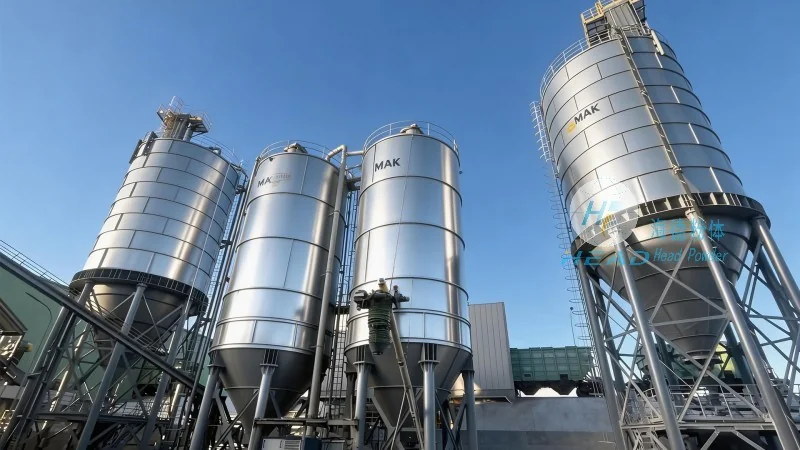
Thirdly, the closed-loop design of the pneumatic conveying system enhances safety and environmental compliance. By containing the powder within the system, it minimizes dust exposure to workers and reduces the risk of environmental contamination. This is particularly important in industries regulated by strict environmental standards, such as the food and pharmaceutical sectors.
These systems are widely used in various industries, including pharmaceutical manufacturing, food processing, chemical production, and agricultural applications. In pharmaceuticals, they are used for the precise mixing of active pharmaceutical ingredients (APIs) with excipients. In food processing, they handle ingredients like flour, sugar, and spices, ensuring consistent product quality. In chemical manufacturing, they transport raw materials for the production of fertilizers, pigments, and other industrial chemicals.
Conclusion
In conclusion, the automatic weighing and powder pneumatic conveying line is a sophisticated and essential piece of equipment for industries dealing with bulk powders. Its design principles, centered on precision, efficiency, and safety, make it a valuable asset for modern manufacturing processes. By integrating advanced technology and modular design, these systems enable manufacturers to achieve higher productivity, maintain product quality, and comply with industry regulations. As a leading provider in this field, Shandong HeadPowder Engineering Co., Ltd. specializes in designing and manufacturing such systems tailored to the specific needs of various industries.