

Pneumatic Conveying Equipment for Solid Alkali Powder: Understanding Its Function and Design Princip
For industries dealing with solid alkali powders, efficient and reliable material handling is crucial. Pneumatic conveying equipment has emerged as a key solution, offering a safe and effective method to transport these materials. This article explores what pneumatic conveying equipment for solid alkali powder is and delves into its fundamental design principles, highlighting the technology's importance in modern industrial processes.
Introduction to Pneumatic Conveying Equipment
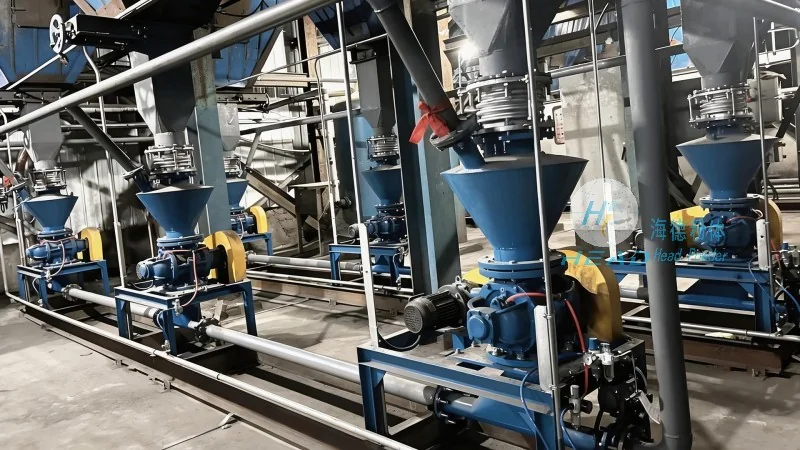
Pneumatic conveying equipment, also known as pneumatic transport systems, utilizes compressed air or other gases to move bulk materials like solid alkali powders through a pipeline network. Unlike traditional mechanical conveying methods, such as screw conveyors or belt conveyors, pneumatic systems rely on air pressure to transport materials, making them particularly suitable for handling fine powders that are prone to dust and require controlled dispersion. The equipment typically consists of a hopper, a blower or compressor, a pipeline system, and a receiver or discharge point. The hopper holds the solid alkali powder, which is then drawn into the pipeline by the air flow generated by the blower. The compressed air propels the powder through the system, ensuring it reaches the desired destination without the need for physical contact or additional mechanical components.
Key Components of Solid Alkali Powder Pneumatic Conveying Systems
The design of a pneumatic conveying system for solid alkali powder involves several critical components, each playing a vital role in the overall operation. The first component is the material hopper, which is designed to store the solid alkali powder and provide a consistent feed to the system. The hopper is often equipped with a feeder, such as a rotary valve or a vibratory feeder, to control the flow rate of the powder into the pipeline. This ensures that the material is introduced at a controlled rate, preventing overloading or blockages in the system. The second key component is the air compressor or blower, which generates the necessary pressure to move the powder through the pipeline. The choice of compressor depends on the specific requirements of the application, including the material's properties, the distance to be transported, and the desired flow rate. For solid alkali powders, which can be abrasive and corrosive, the compressor is typically made of materials like stainless steel to withstand the harsh conditions. The third component is the pipeline system, which consists of straight sections, bends, and fittings that guide the powder and air mixture through the system. The design of the pipeline is critical, as it must minimize pressure losses and prevent material buildup or clogging. Specialized fittings, such as elbows with smooth transitions and low-resistance designs, are used to ensure efficient flow. The final component is the receiver or discharge point, where the solid alkali powder is collected after being transported through the pipeline. The receiver is often equipped with a dust collection system, such as a cyclone or a bag filter, to capture any fine particles that may escape during the process, ensuring environmental compliance and safety.
Design Principles for Efficient Solid Alkali Powder Conveying
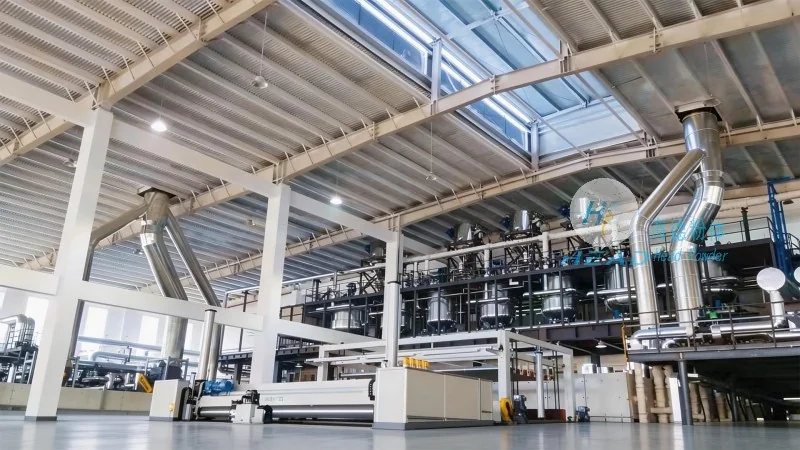
The design principles of pneumatic conveying equipment for solid alkali powder are centered on maximizing efficiency, minimizing energy consumption, and ensuring the safety of the system. One of the primary design considerations is the air-to-material ratio, which refers to the amount of air used per unit of powder. The optimal air-to-material ratio is determined by the properties of the solid alkali powder, such as its density, particle size, and flowability. A higher air-to-material ratio generally results in higher conveying velocities and lower pressure losses, but it also increases energy consumption. Therefore, the design must strike a balance between these factors to achieve the most efficient operation. Another important design principle is the pipeline layout, which should be as straight as possible to minimize pressure losses and the risk of material buildup. Bends and fittings should be minimized, and when they are necessary, they should be designed with smooth transitions to reduce turbulence and prevent clogging. The material of the pipeline and fittings is also a critical design factor. Since solid alkali powders can be corrosive, the equipment is typically constructed from stainless steel or other corrosion-resistant materials to ensure durability and longevity. The blower or compressor must also be designed to handle the abrasive nature of the powder, with components such as impellers and casings made from wear-resistant materials to prevent damage over time.
Applications and Benefits of Solid Alkali Powder Pneumatic Conveying
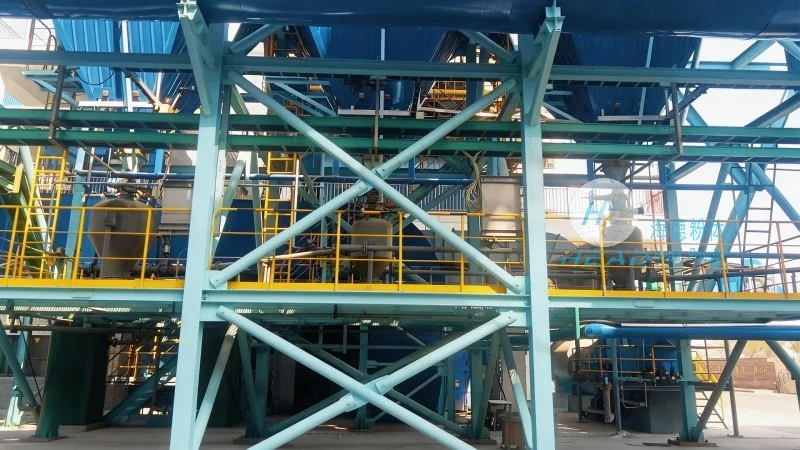
Pneumatic conveying equipment for solid alkali powder is widely used in various industries, including chemical manufacturing, food processing, and pharmaceuticals. In chemical manufacturing, these systems are used to transport caustic soda (solid alkali) from storage tanks to reactors or processing units, ensuring a continuous and controlled supply of the material. The benefits of using pneumatic conveying in these applications include improved safety, as the system eliminates the need for manual handling of hazardous powders, and increased efficiency, as the material is transported directly from the source to the destination without intermediate storage or handling steps. In the food and pharmaceutical industries, the use of pneumatic conveying is particularly important due to the strict regulations regarding material purity and contamination. The enclosed system prevents dust and particles from entering the environment, ensuring that the solid alkali powder remains clean and free from contaminants. Additionally, the system allows for precise control over the flow rate and temperature, which is essential for maintaining the quality of the final product. The benefits of pneumatic conveying for solid alkali powder also extend to cost savings. By reducing the need for manual labor and minimizing material losses due to spillage or clogging, the system can significantly lower operational costs over time. Furthermore, the energy efficiency of modern pneumatic conveying systems has improved, making them a more sustainable option compared to traditional mechanical conveying methods.
Conclusion
Pneumatic conveying equipment for solid alkali powder is a sophisticated and essential technology in modern industrial processes. Its design principles, centered on efficient material transport, safety, and durability, make it a preferred choice for handling fine, abrasive powders. The system's ability to transport materials in an enclosed, controlled environment ensures high purity and minimal environmental impact, while its energy efficiency and cost-effectiveness make it a viable option for long-term use. As industries continue to demand more efficient and sustainable material handling solutions, the importance of pneumatic conveying equipment for solid alkali powder will only grow. Companies like Shandong HeadPowder Engineering Co., Ltd., based in China, play a crucial role in developing and manufacturing these systems, providing reliable and high-quality solutions to meet the needs of various industries. With their expertise in engineering and material handling, they continue to advance the technology, ensuring that solid alkali powders are transported safely and efficiently in the years to come.