

What is a Steel Limestone Powder Pneumatic Conveying Equipment? And What Are Its Design Principles?
Steel limestone powder pneumatic conveying equipment is a specialized system designed to transport fine powders, such as limestone, in industrial settings. This equipment is crucial for applications in the steel industry, where limestone is often used as a flux to control the chemical composition of molten steel. The system efficiently moves the powder from storage to processing points, ensuring consistent and reliable material handling.
Understanding the Core Function of Pneumatic Conveying Systems
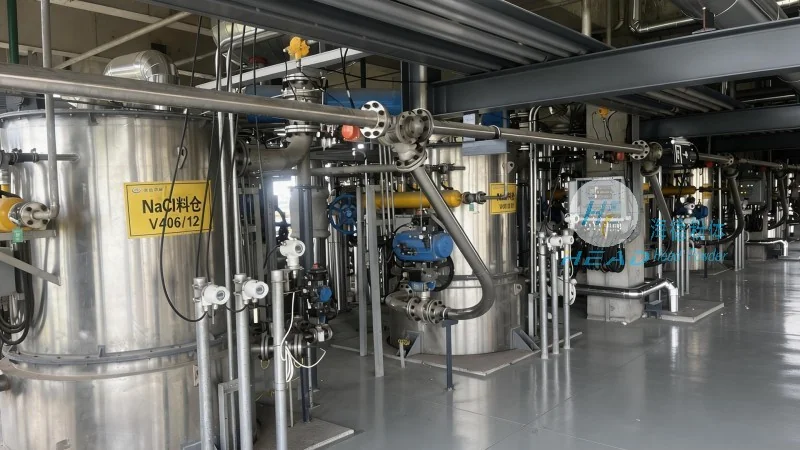
Pneumatic conveying systems utilize air or gas to transport bulk materials through a pipeline network. In the case of steel limestone powder, these systems are engineered to handle the specific properties of limestone, including its fine particle size and potential moisture content. The equipment must maintain the integrity of the powder, preventing agglomeration or degradation during transport. This is achieved through a combination of pressure and vacuum operations, which allow for both forward and reverse flow of material as needed.
Key Design Principles for Efficient Material Handling
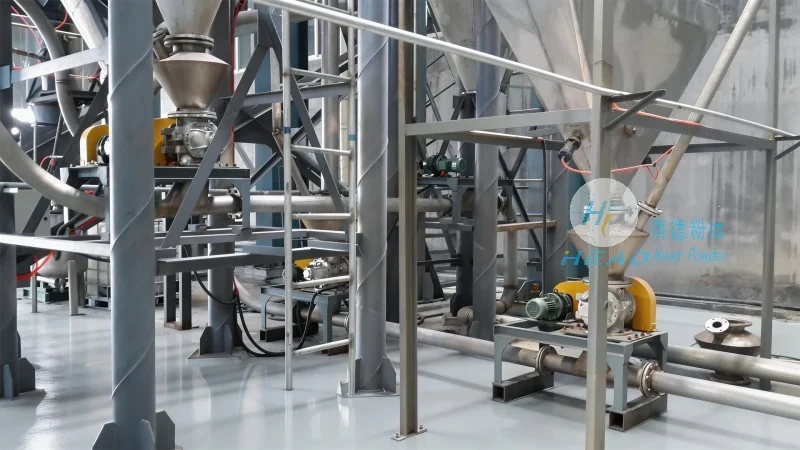
The design of steel limestone powder pneumatic conveying equipment is guided by several critical principles to ensure optimal performance. First, the system must accommodate the specific flow characteristics of limestone powder, which may vary based on particle size distribution and moisture levels. Engineers at Shandong HeadPowder Engineering Co., Ltd. in China have developed advanced designs that incorporate adjustable pressure and flow control mechanisms to adapt to these variations. Second, the equipment is built with corrosion-resistant materials to withstand the chemical environment of steel production facilities, ensuring long-term durability and minimal maintenance.
Components and Operational Mechanisms
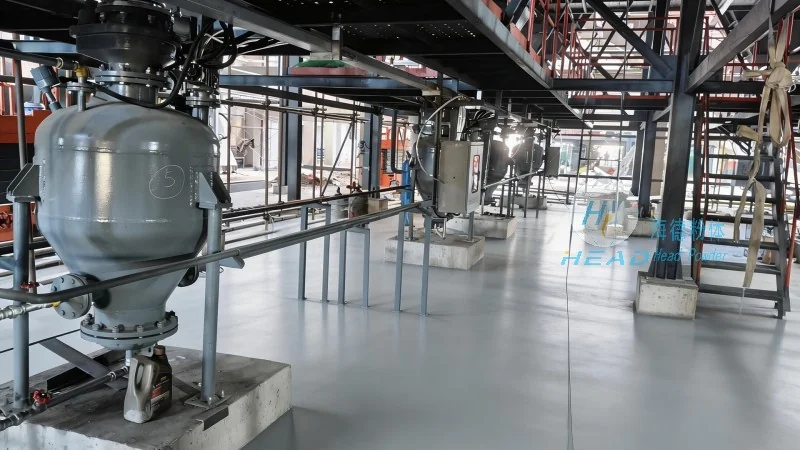
A typical steel limestone powder pneumatic conveying system consists of several key components, each playing a vital role in the overall operation. The system includes a hopper for material storage, a feeder to control the flow rate, a conveying line with appropriate fittings and valves, and a receiver for material discharge. The feeder is often equipped with a rotary valve or screw feeder to maintain a consistent feed rate, preventing blockages and ensuring smooth transport. The conveying line may use positive pressure or negative pressure (vacuum) depending on the application, with positive pressure being more common for long-distance transport of fine powders like limestone.
Advantages of Pneumatic Conveying for Steel Industry Applications
Compared to traditional mechanical conveying methods, pneumatic systems offer several advantages for handling steel limestone powder. These include the ability to transport materials over long distances without the need for multiple transfer points, reduced risk of material contamination due to enclosed pipelines, and improved safety by eliminating the need for manual handling of powders. Additionally, the system can be integrated with other industrial processes, such as dust collection and material recycling, enhancing overall operational efficiency.
Customization and Engineering Solutions by Shandong HeadPowder Engineering Co., Ltd.
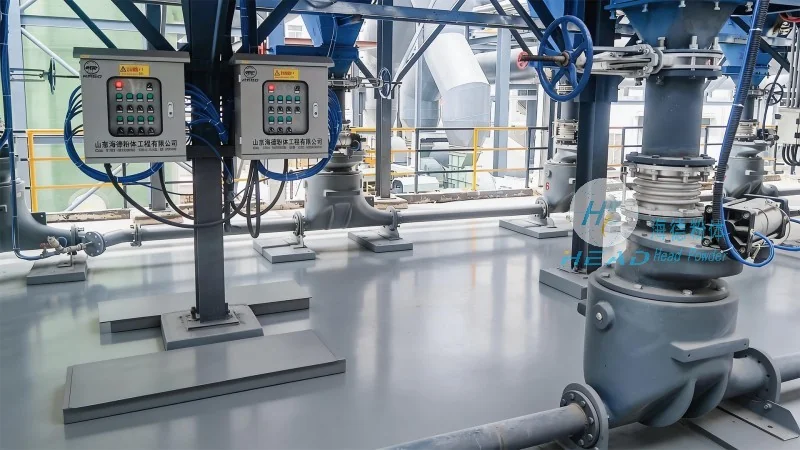
Shandong HeadPowder Engineering Co., Ltd., based in China, specializes in designing and manufacturing customized pneumatic conveying solutions tailored to the unique needs of the steel industry. The company’s engineers work closely with clients to understand their specific requirements, including material properties, processing capacity, and facility layout. By leveraging advanced engineering techniques and materials, HeadPowder provides systems that meet strict industry standards for performance, reliability, and safety. The company’s commitment to quality and innovation ensures that its equipment delivers consistent results, helping steel manufacturers maintain high production standards and reduce operational costs.