HeadPowder, a leading provider in the field of feed handling technology, offers insights into the comparative analysis of negative pressure and positive pressure conveying systems. This article explores the key advantages and disadvantages of each method, helping industry professionals make informed decisions when selecting the most suitable pneumatic transport solution for their operations.
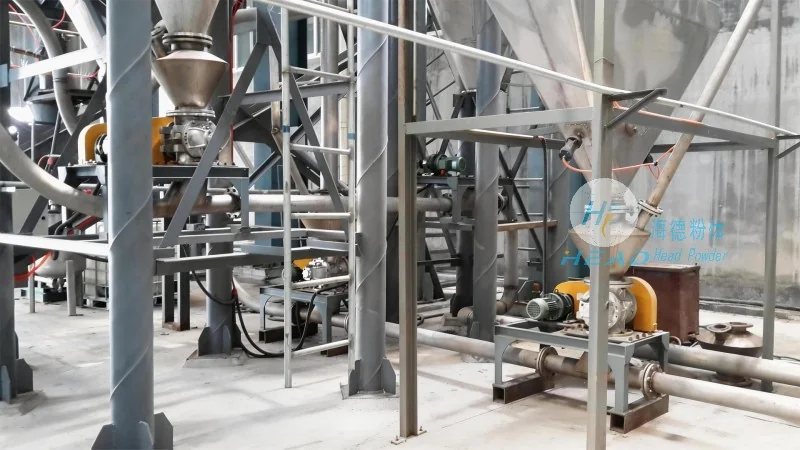
Introduction to Pneumatic Conveying Systems
Pneumatic conveying is a critical component in modern feed processing facilities, enabling the efficient movement of bulk materials like feed pellets, powders, and grains. The two primary methods—negative pressure (or vacuum) and positive pressure (or pressure) systems—differ significantly in their operational principles, equipment requirements, and performance characteristics. Understanding these differences is essential for optimizing feed handling efficiency, reducing operational costs, and ensuring product quality.
Company Overview: Shandong HeadPowder Engineering Co., Ltd.
HeadPowder, headquartered in Shandong, China, specializes in the design, manufacturing, and installation of advanced pneumatic conveying systems tailored to the feed industry. With years of experience and a commitment to innovation, the company provides customized solutions that meet the unique needs of feed manufacturers, animal feed producers, and related enterprises. The company’s expertise in material handling technology ensures reliable and efficient feed transport, contributing to the overall productivity of feed processing operations.
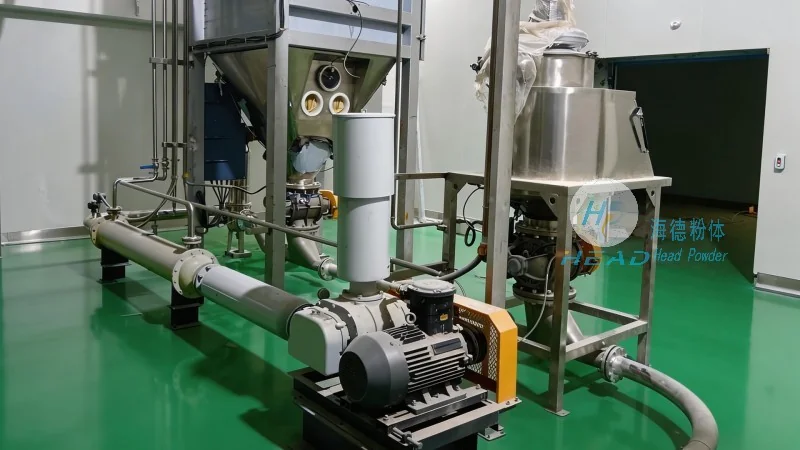
Advantages and Disadvantages of Negative Pressure Conveying
Negative pressure conveying systems operate by creating a vacuum at the material inlet, drawing the feed material into the conveying line. This method is often preferred for applications involving long-distance transport or when the feed material is sensitive to pressure changes. One of the primary advantages of negative pressure systems is their ability to handle fine powders and delicate feed products without causing excessive wear or degradation. The system also allows for a relatively quiet operation, reducing noise pollution in the processing environment. However, negative pressure conveying has several limitations. The main drawback is the risk of dust leakage at the inlet, which can lead to environmental contamination and health hazards. Additionally, the vacuum system requires robust sealing mechanisms to prevent air leaks, increasing maintenance costs and complexity. The conveying capacity is also typically lower compared to positive pressure systems, making it less suitable for high-volume feed transport.
Advantages and Disadvantages of Positive Pressure Conveying
Positive pressure conveying systems, as the name suggests, use compressed air to push the feed material through the conveying line. This method is commonly used for short to medium-distance transport and for materials that are less prone to dust generation. A significant advantage of positive pressure systems is their higher conveying capacity, making them ideal for high-volume feed handling. The system also offers better control over material flow, allowing for precise regulation of feed delivery to processing units. Furthermore, positive pressure conveying is generally more energy-efficient for short distances, as the compressed air can be recycled and reused. However, positive pressure systems have their own set of disadvantages. The primary concern is the potential for material degradation due to high pressure and friction, especially for heat-sensitive or delicate feed products. The system also generates more noise and requires regular maintenance of the air compressor and pressure control equipment. Additionally, the risk of dust explosion is higher in positive pressure systems, necessitating strict safety measures and explosion-proof designs.
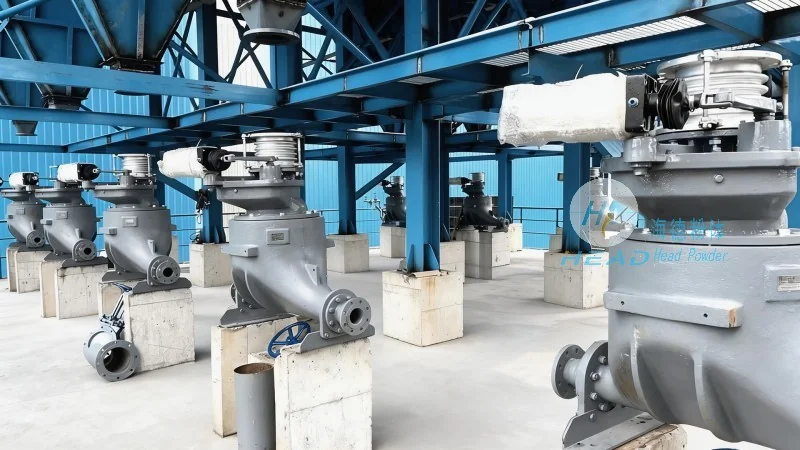
Comparative Analysis: Negative Pressure vs. Positive Pressure Conveying
When comparing negative and positive pressure conveying systems, several factors must be considered to determine the most suitable option for a specific feed handling application. The choice depends on the distance of transport, the type of feed material, the required conveying capacity, and the operational environment. For long-distance transport of fine or sensitive feed materials, negative pressure systems may be more appropriate due to their ability to handle delicate products without excessive pressure. Conversely, for high-volume, short-distance transport of less sensitive materials, positive pressure systems offer superior efficiency and capacity. The cost of equipment and maintenance is another critical factor. Negative pressure systems typically require more complex vacuum pumps and sealing components, leading to higher initial investment and maintenance costs. Positive pressure systems, while generally less expensive upfront, may incur higher operational costs due to the energy consumption of the air compressor. Environmental considerations also play a role, as negative pressure systems are better at containing dust, reducing the risk of environmental contamination. Safety is another key aspect, with positive pressure systems requiring more stringent safety measures to prevent dust explosions.
Conclusion
In conclusion, both negative pressure and positive pressure conveying systems have their unique advantages and disadvantages, making them suitable for different feed handling scenarios. The selection of the appropriate system depends on a thorough evaluation of operational requirements, material characteristics, and cost considerations. HeadPowder, with its expertise in feed handling technology, provides customized pneumatic conveying solutions that optimize performance, efficiency, and safety for feed processing facilities. By understanding the comparative analysis of these systems, feed manufacturers can make informed decisions to enhance their operational efficiency and ensure the quality of their products.




