Shandong HeadPowder Engineering Co., Ltd. specializes in providing advanced powder handling solutions, including pneumatic conveying systems for polypropylene (PP) powders. With a focus on efficiency and reliability, the company offers tailored solutions that address the unique challenges of transporting PP materials.
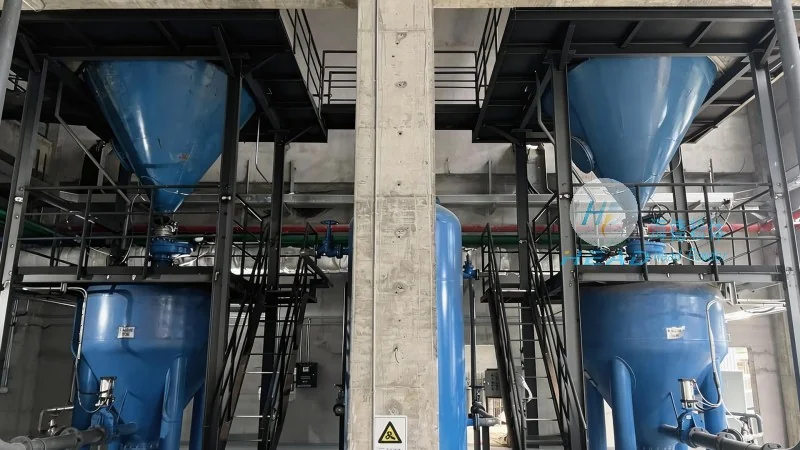
Negative Pressure Conveying: How It Works and Its Key Features
Negative pressure conveying, also known as vacuum conveying, operates by creating a low-pressure environment at the receiving hopper or container. This draws the powder material into the system through a pipeline. For PP powder handling, this method is particularly effective in applications where dust control and material containment are critical. The system typically includes a vacuum pump, a filter, and a hopper, ensuring that the powder is transported without exposing it to the ambient air. The advantages of negative pressure conveyors include their ability to handle fine powders with low moisture content, as the vacuum helps to maintain the material's integrity. Additionally, this method is suitable for long-distance conveying, as the vacuum can maintain a consistent flow over extended pipelines. However, negative pressure systems may require more maintenance due to the components involved, such as the vacuum pump and filter, which need regular cleaning and replacement to prevent clogging. The initial investment for a negative pressure system can also be higher compared to some positive pressure alternatives, though the long-term benefits in terms of material quality and environmental compliance often justify the cost.
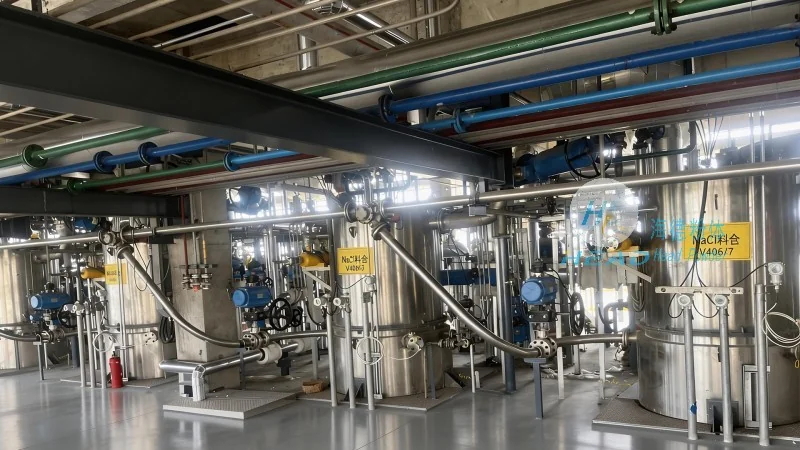
Positive Pressure Conveying: The Mechanism and Its Applications
Positive pressure conveying, or pressure conveying, works by forcing the powder material through a pipeline using compressed air or gas. The system generates high pressure at the source, pushing the powder from the hopper to the destination. This method is ideal for handling bulk PP powders, especially in scenarios where the material is prone to agglomeration or where a higher conveying rate is required. Positive pressure systems are often more straightforward in design, with fewer components compared to negative pressure setups, which can reduce maintenance costs and simplify operation. The main advantage of positive pressure is its ability to handle larger quantities of material with less pressure drop, making it suitable for high-volume production lines. However, this method may not be as effective for fine powders or those with high moisture content, as the compressed air can cause the powder to degrade or clump together. Additionally, positive pressure conveying can generate more dust and require better sealing to prevent material loss and environmental contamination. The energy consumption for positive pressure systems is generally higher due to the need for continuous compressed air supply, which can increase operational costs over time.
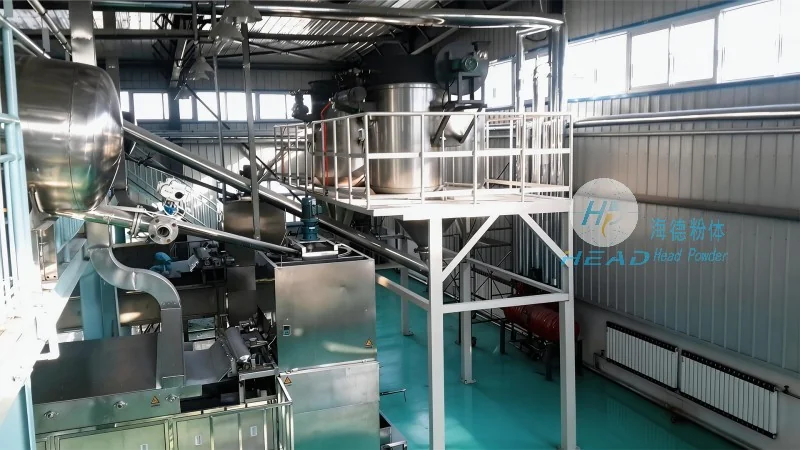
Comparative Analysis: Negative vs. Positive Pressure Conveying for PP Powder Handling
When deciding between negative and positive pressure conveying for PP powders, several factors must be considered. The choice often depends on the specific characteristics of the material, the conveying distance, and the operational requirements of the facility. For instance, negative pressure is preferred when the powder is fine, has low moisture, and needs to be handled with minimal exposure to air, as it helps to preserve the material's quality and reduce contamination. In contrast, positive pressure is more suitable for bulk materials that require high throughput and are less sensitive to moisture or air exposure. The cost aspect also plays a significant role: negative pressure systems may have higher upfront costs but lower operational costs due to less energy consumption, while positive pressure systems have lower initial investment but higher ongoing expenses from compressed air usage. Environmental considerations are another key factor. Negative pressure systems are generally more environmentally friendly as they minimize dust emissions and require less air filtration, whereas positive pressure systems may need additional dust control measures to comply with regulations. The maintenance requirements differ as well; negative pressure systems involve more complex components like vacuum pumps and filters, leading to more frequent maintenance, whereas positive pressure systems are simpler and easier to maintain. Ultimately, the optimal choice between negative and positive pressure conveying for PP powder handling is determined by a careful evaluation of the material properties, operational needs, and budget constraints.
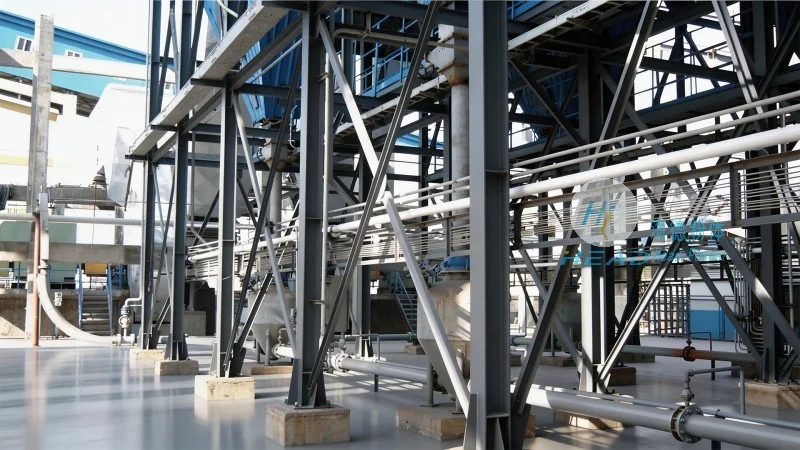
Conclusion: Choosing the Right Conveying System for PP Powder Handling
Both negative and positive pressure conveying systems offer viable solutions for handling polypropylene powders, each with its own set of advantages and disadvantages. The decision should be based on a thorough analysis of the specific application requirements. For industries where material quality and environmental compliance are paramount, negative pressure conveying may be the preferred option, despite its higher initial cost and maintenance needs. Conversely, for high-volume production environments where efficiency and cost-effectiveness are critical, positive pressure conveying could be more suitable, even with its higher operational expenses. Shandong HeadPowder Engineering Co., Ltd. understands these nuances and provides customized pneumatic conveying solutions tailored to the unique needs of each client. By leveraging their expertise in both negative and positive pressure systems, the company helps businesses optimize their powder handling processes, ensuring efficiency, reliability, and compliance with industry standards. Whether a client requires a negative pressure system for fine PP powders or a positive pressure system for bulk material transport, HeadPowder Engineering offers comprehensive support from system design to installation and maintenance, ensuring that the chosen conveying solution meets the highest standards of performance and durability.




