For malt processing facilities, efficient and reliable material handling is crucial to maintaining production efficiency and product quality. Malt material pneumatic conveying equipment, as a key component in the malt production line, plays a vital role in transporting malt from storage to processing units. This article will delve into the working principle and key features of such equipment, providing a comprehensive understanding for industry professionals.
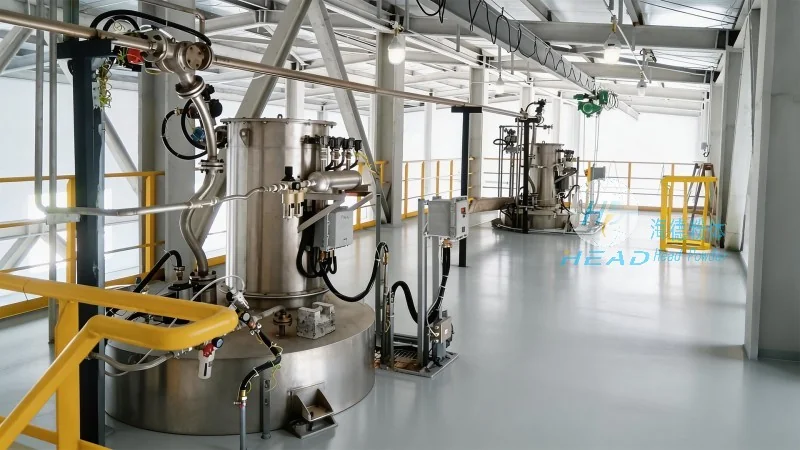
Company Introduction: Shandong HeadPowder Engineering Co., Ltd.
HeadPowder, a leading manufacturer in the field of powder and bulk material handling solutions, specializes in designing and manufacturing high-quality pneumatic conveying systems. With years of experience and a commitment to innovation, HeadPowder has become a trusted partner for many malt processing enterprises. The company's headquarters is located in Shandong, China, where it leverages advanced technology and rigorous quality control to deliver superior products that meet the demanding requirements of the malt industry.
Working Principle of Malt Material Pneumatic Conveying Equipment
The core working principle of malt material pneumatic conveying equipment is based on the use of air flow to transport solid materials. The system typically consists of a hopper, a conveying pipeline, a blower or air compressor, and a control system. When the malt is fed into the hopper, the air is introduced into the pipeline at a controlled pressure and velocity. The air flow creates a negative pressure or positive pressure environment, which lifts and propels the malt particles through the pipeline to the destination point. The process can be categorized into two main types: negative pressure (or vacuum) conveying and positive pressure conveying. Negative pressure systems are commonly used for long-distance or high-rise transportation, while positive pressure systems are suitable for short-distance or horizontal transportation. The selection of the appropriate type depends on factors such as the distance between the source and destination, the height difference, and the characteristics of the malt material.
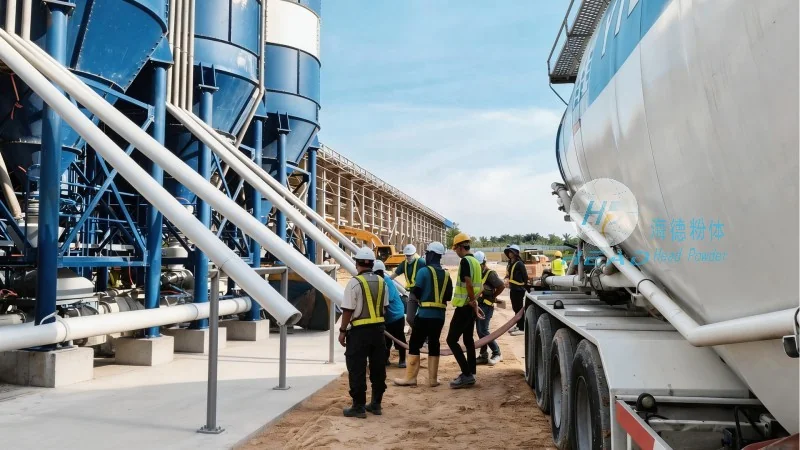
Key Features of Malt Material Pneumatic Conveying Equipment
HeadPowder's malt material pneumatic conveying equipment is designed with several key features that enhance its performance and reliability. Firstly, the equipment is equipped with a robust hopper that can handle large volumes of malt without causing blockages or spillage. The hopper is often fitted with a vibration or agitator system to prevent material bridging and ensure smooth feeding. Secondly, the conveying pipeline is made of high-quality materials, such as stainless steel or food-grade plastic, which are resistant to corrosion and easy to clean, meeting the hygienic standards required in malt processing. The pipeline design also includes bends and elbows with smooth transitions to minimize material abrasion and reduce the risk of product contamination. Thirdly, the blower or air compressor used in the system is energy-efficient and can be adjusted to maintain optimal air flow and pressure, ensuring consistent conveying performance. The control system allows for real-time monitoring of the conveying process, enabling operators to adjust parameters as needed to prevent overloading or system failure. Additionally, the equipment is designed for easy maintenance and cleaning, with quick-release connections and accessible components that simplify routine upkeep. These features collectively contribute to the high efficiency, low maintenance cost, and long service life of the malt material pneumatic conveying equipment.
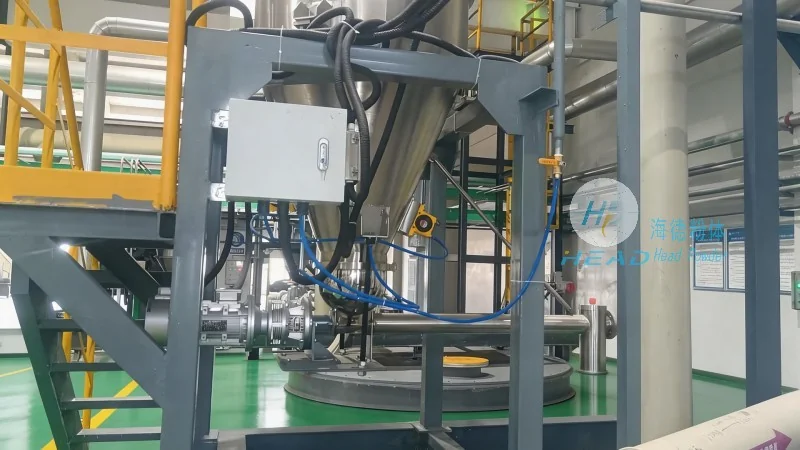
Benefits and Applications in Malt Processing
The implementation of malt material pneumatic conveying equipment brings numerous benefits to malt processing facilities. By eliminating the need for manual handling or traditional belt conveyors, the system reduces labor costs and minimizes the risk of product contamination from human contact. The enclosed pipeline design prevents dust and malt particles from escaping into the environment, improving workplace safety and complying with environmental regulations. The system also allows for precise control over the conveying rate, ensuring consistent material flow to downstream processing units such as mashing tanks or kilns. This consistency is crucial for maintaining the quality and uniformity of the final malt product. Furthermore, the equipment can handle various types of malt, including whole malt, crushed malt, and malt flour, making it versatile for different processing stages. In summary, the malt material pneumatic conveying equipment from HeadPowder is an essential asset for modern malt processing operations, offering a reliable and efficient solution for material handling needs.
Conclusion
Understanding the working principle and features of malt material pneumatic conveying equipment is essential for optimizing malt processing operations. HeadPowder, with its expertise and commitment to quality, provides advanced solutions that meet the specific requirements of the malt industry. By leveraging the benefits of pneumatic conveying, malt processing facilities can enhance productivity, improve product quality, and ensure compliance with industry standards. As the demand for high-quality malt products continues to grow, the role of efficient material handling systems like these will become increasingly important in the future of the malt industry.




