Pneumatic conveyors are widely utilized in industrial settings to transport bulk materials like salt over short to medium distances. These systems leverage air pressure or vacuum to move materials through a sealed pipeline, offering a flexible and efficient alternative to traditional mechanical conveyors. For operations involving salt, selecting an appropriate pneumatic conveyor is critical to ensure consistent performance, minimize product degradation, and maintain operational efficiency.
The Working Principle of a Salt Material Pneumatic Conveyor
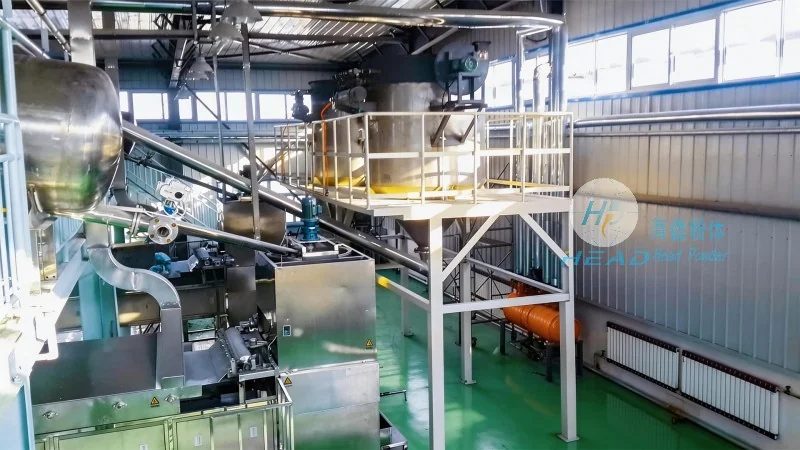
A salt material pneumatic conveyor functions by creating a controlled air flow within a pipeline. The system typically comprises a hopper, a blower or vacuum pump, and a discharge point. When the blower is activated, it generates a high-velocity air stream that either pulls or pushes the salt particles into the pipeline. The air velocity is precisely regulated to prevent material damage and ensure smooth transport. The hopper feeds the salt into the system, and the air flow carries the material to the discharge point for collection. This process can be either positive pressure (where air pushes the material) or negative pressure (where air pulls the material), depending on the specific design and application requirements. The sealed pipeline design prevents dust emissions and maintains product integrity throughout the transport process.
Key Features of a Salt Material Pneumatic Conveyor
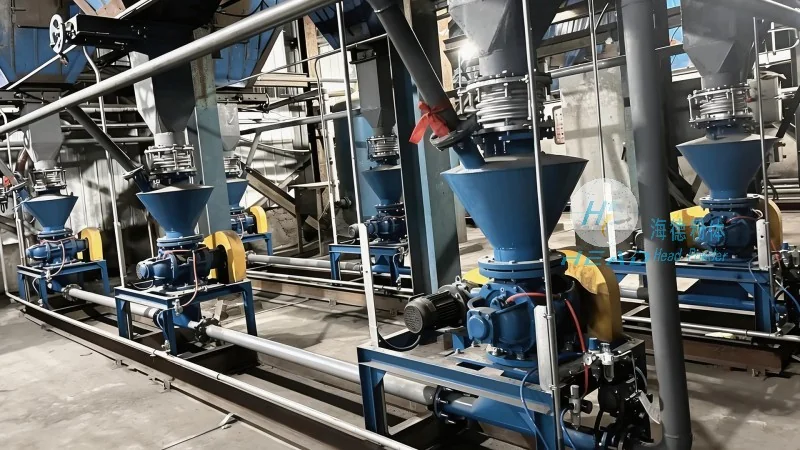
Several distinctive features make pneumatic conveyors well-suited for salt material transport. Firstly, they provide a hygienic and clean handling method, which is essential for food-grade applications. The enclosed system effectively prevents contamination from external sources and minimizes dust generation. Secondly, these conveyors offer high efficiency in terms of energy consumption and material throughput, enabling rapid transport of large volumes of salt with minimal labor. Thirdly, the flexibility of pneumatic systems allows for easy integration into existing production lines, with the ability to adjust the discharge point or route without major modifications. Additionally, the equipment requires relatively low maintenance compared to other conveyor types, reducing downtime and operational costs. The durability of components, especially those in contact with salt, is another significant advantage, as they are engineered to withstand the corrosive and abrasive nature of the material, ensuring long-term reliability.
About Shandong HeadPowder Engineering Co., Ltd.
Shandong HeadPowder Engineering Co., Ltd., operating under the brand name headpowder, is a leading manufacturer of industrial conveying equipment. With facilities located in Shandong, China, the company specializes in designing and producing high-quality pneumatic conveyors tailored to the needs of various industries, including food processing and chemical manufacturing. Their expertise in material handling solutions ensures that customers receive reliable and efficient equipment that meets industry standards and enhances operational performance. The company’s commitment to quality and innovation has established it as a trusted provider in the field of bulk material transport.
Conclusion
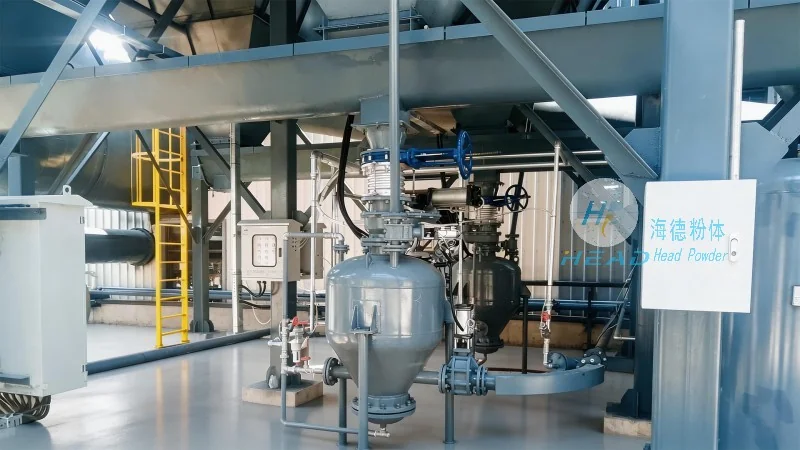
In summary, a salt material pneumatic conveyor operates by utilizing air pressure or vacuum to transport salt efficiently and safely. Its key features, such as cleanliness, efficiency, flexibility, and durability, make it an ideal choice for industrial applications. Manufactured by Shandong HeadPowder Engineering Co., Ltd., these conveyors are built to withstand the demands of salt handling while providing long-term reliability and performance, contributing to improved productivity in various industrial processes.




