For industrial applications involving the handling of bulk powders, efficient and reliable material transport is crucial. Pneumatic conveying systems, particularly those designed for powder bins, offer a solution that combines performance with versatility. This article explores the working principle and key features of powder bin material pneumatic conveying equipment, highlighting how it enhances operational efficiency in various industries.
Introduction to Pneumatic Conveying Systems for Powder Bins
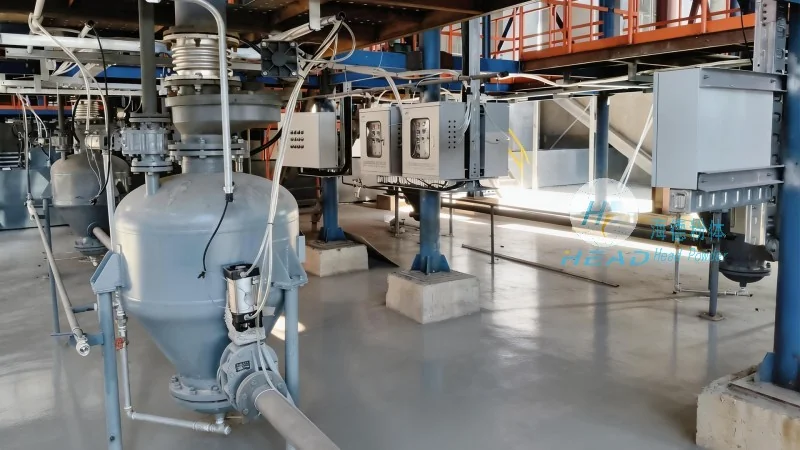
Pneumatic conveying systems utilize air or gas to transport bulk materials, such as powders, from one location to another. In the context of powder bins, these systems are engineered to manage the flow of materials from storage bins to processing units or other destinations. The technology has evolved significantly, with modern designs incorporating advanced control mechanisms and materials handling capabilities. The primary goal is to provide a seamless, low-maintenance solution for bulk material transport, reducing downtime and operational costs.
Working Principle of Powder Bin Pneumatic Conveying Equipment
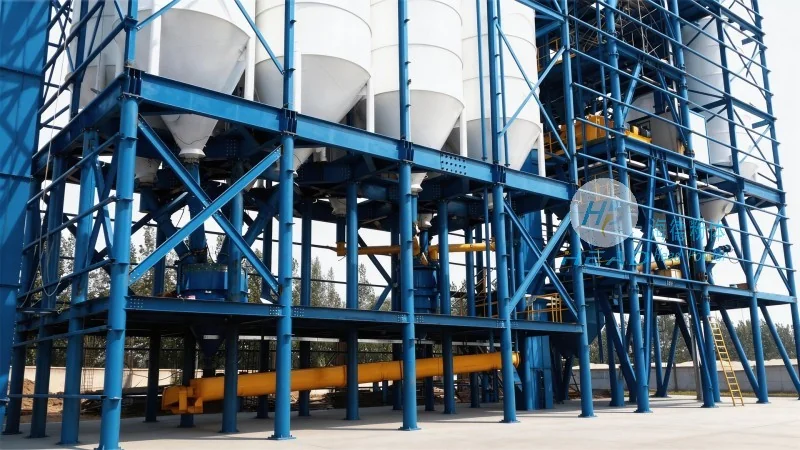
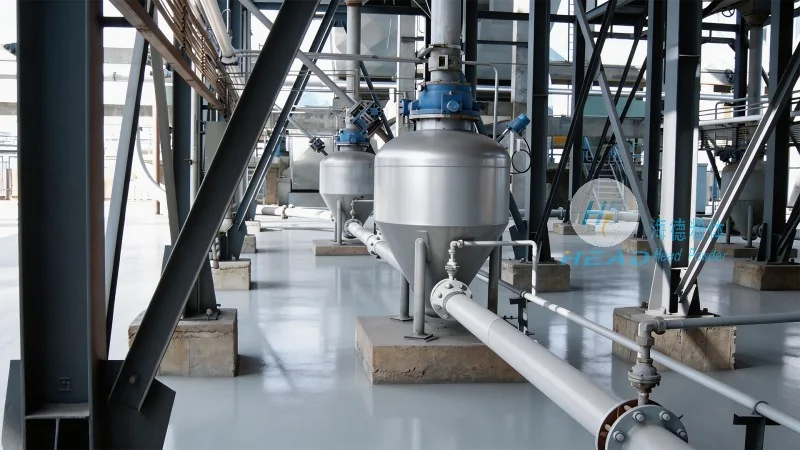
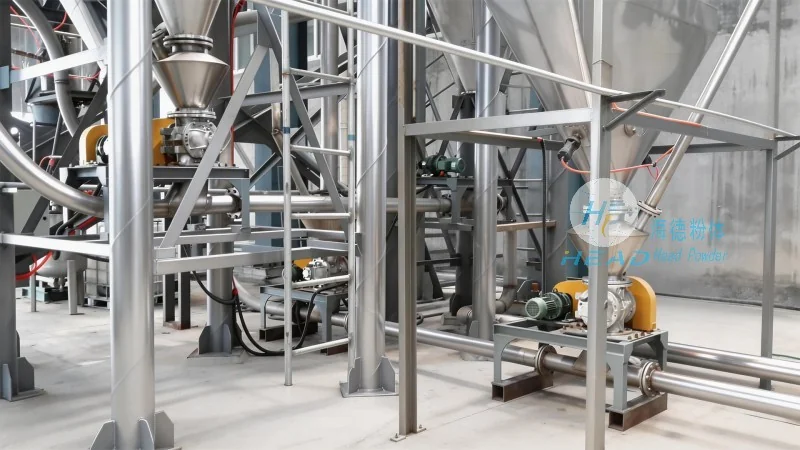
The operation of powder bin material pneumatic conveying equipment typically involves the following steps: first, the material is drawn from the powder bin using a vacuum or pressure source. The system then uses air or gas to create a flow that transports the material through a pipeline network. The design may vary based on the specific application, with options including suction (or negative pressure) systems and pressure (or positive pressure) systems. In suction systems, a vacuum is created at the material inlet to draw the powder into the conveying line. In pressure systems, compressed air is used to push the material forward. The choice between these systems depends on factors like the material's properties, the distance to be conveyed, and the desired flow rate. The equipment includes components such as a hopper, a rotary valve (or feeder), a conveying line, and a receiver or discharge point. The hopper ensures a consistent feed of material, while the rotary valve controls the flow rate. The conveying line is usually made of stainless steel or other corrosion-resistant materials to handle different powder types. The receiver collects the material at the end of the line, often equipped with a dust collection system to maintain air quality and prevent contamination.
Key Features of Powder Bin Material Pneumatic Conveying Equipment
Several key features distinguish high-quality powder bin pneumatic conveying equipment. One of the most significant is its ability to handle a wide range of powder characteristics, including different particle sizes, densities, and flowability. This versatility makes it suitable for various industries, such as food processing, pharmaceuticals, and chemical manufacturing. Another important feature is the system's efficiency in terms of energy consumption. Modern designs incorporate energy-saving components, such as variable frequency drives (VFDs), which adjust the air flow and pressure based on the material load, reducing unnecessary energy use. The equipment also offers flexibility in terms of layout, allowing for custom configurations to fit specific plant designs. This adaptability is particularly valuable in retrofitting existing facilities or designing new production lines. Additionally, the systems are designed for low maintenance, with easy access to components for cleaning and repair. This reduces downtime and operational costs over the equipment's lifespan. Environmental considerations are also a key feature, as many systems include dust collection and filtration to minimize emissions and comply with regulatory standards. The use of sealed conveying lines prevents material spillage and contamination, ensuring product quality and safety. Furthermore, the equipment is equipped with safety features, such as pressure relief valves and overfill protection, to prevent accidents and protect personnel.
Applications and Benefits in Industrial Settings
Powder bin material pneumatic conveying equipment is widely used in industries where bulk powder handling is essential. In the food industry, it is used to transport ingredients like flour, sugar, and spices from storage bins to processing lines, ensuring a consistent supply of raw materials. In the pharmaceutical industry, the equipment is critical for handling active pharmaceutical ingredients (APIs) and excipients, maintaining strict contamination control and product integrity. The chemical industry also relies on these systems for transporting powders like catalysts, pigments, and specialty chemicals, where precision and cleanliness are paramount. The benefits of using such equipment extend beyond efficiency; it also enhances safety by eliminating manual handling of powders, reducing the risk of dust explosions and respiratory issues. Additionally, the automated nature of the system improves product quality by minimizing human error and ensuring consistent material flow. Over time, the investment in pneumatic conveying systems pays off through reduced labor costs, lower material waste, and increased production throughput. The technology's adaptability allows it to integrate seamlessly with existing production lines, making it a cost-effective solution for modern industrial operations.
Conclusion and Company Overview
Powder bin material pneumatic conveying equipment represents a sophisticated solution for efficient bulk material transport. By understanding its working principle and key features, industries can leverage this technology to enhance operational performance and meet regulatory requirements. The equipment's versatility, energy efficiency, and low maintenance make it an attractive choice for various applications. As a leader in the field, Shandong HeadPowder Engineering Co., Ltd. specializes in designing and manufacturing high-quality pneumatic conveying systems tailored to the specific needs of industrial clients. With a focus on innovation and customer satisfaction, the company provides reliable solutions that contribute to the success of its clients' operations. Based in Shandong, China, HeadPowder Engineering Co., Ltd. combines advanced engineering with practical application expertise to deliver systems that meet the demands of modern industrial processes. Whether for new installations or system upgrades, their products are designed to improve efficiency, safety, and product quality in bulk material handling applications.




