Understanding the operation of a glycine material pneumatic conveying line is essential for industries dealing with this specific chemical compound. This article delves into the working principle and key features of such systems, providing insights into their design, functionality, and practical applications.
Working Principle of Glycine Material Pneumatic Conveying Systems
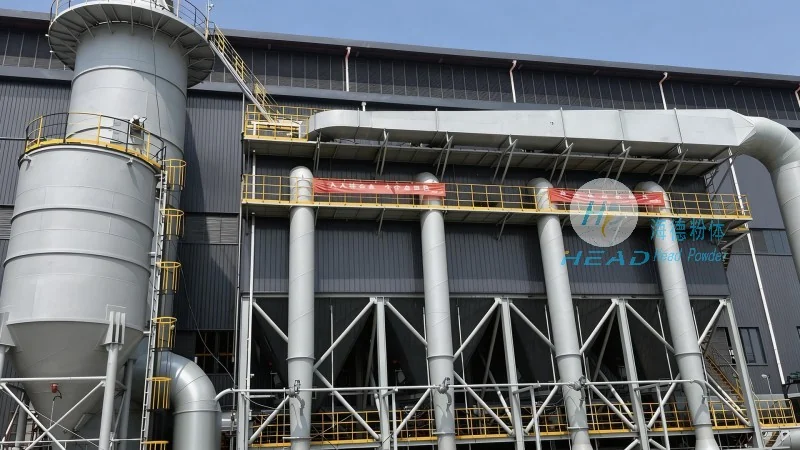
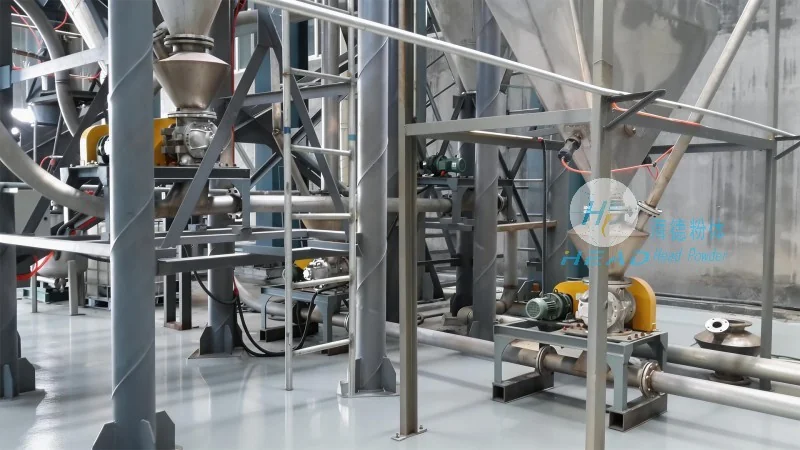
Glycine, a common amino acid used in various industrial processes, requires efficient and reliable material handling solutions. The pneumatic conveying line for glycine operates on the principle of using air or gas to transport the material from one location to another. This method eliminates the need for mechanical components like belts or buckets, reducing maintenance and increasing safety. The system typically consists of a hopper, a rotary valve, a conveying pipeline, and a receiver. The glycine is fed into the hopper, then discharged through the rotary valve into the pipeline. Compressed air is introduced at the inlet of the pipeline, creating a pressure differential that propels the material forward. The conveying velocity and pressure are carefully controlled to ensure the material is transported without degradation or blockage. The receiver collects the glycine at the end of the pipeline, completing the process. This pneumatic approach is particularly suitable for handling fine powders like glycine, as it minimizes dust generation and prevents contamination.
Key Features of Glycine Material Pneumatic Conveying Lines
The glycine material pneumatic conveying line offers several advantages that make it an ideal choice for industrial applications. First, it provides a dust-free environment, which is crucial for maintaining product quality and compliance with safety regulations. Unlike mechanical conveying systems, pneumatic lines do not produce particulate emissions, reducing the risk of inhalation hazards and environmental pollution. Second, the system is highly flexible in terms of layout and can be easily adapted to different plant configurations. The conveying line can be installed in various orientations, including horizontal, vertical, or inclined, allowing for seamless integration into existing production facilities. Third, the equipment is compact and requires less floor space compared to traditional bulk handling methods. This space-saving design is beneficial for plants with limited area, optimizing the use of available resources. Fourth, the pneumatic conveying line offers high efficiency in material transport, with minimal energy consumption and low operational costs. The use of compressed air as the conveying medium is cost-effective and energy-efficient, especially when compared to mechanical systems that rely on motors and gears. Additionally, the system is easy to maintain and repair, as the components are designed for durability and reliability. The rotary valve and pipeline are constructed from materials resistant to corrosion and chemical attack, ensuring long-term performance with minimal downtime. Finally, the system provides excellent control over the conveying process, allowing for precise regulation of flow rates and pressure. This control is essential for maintaining consistent product quality and preventing overloading or underloading of the receiver. The integration of sensors and control systems further enhances the operational efficiency and safety of the pneumatic conveying line.
Company Information: Shandong HeadPowder Engineering Co., Ltd.
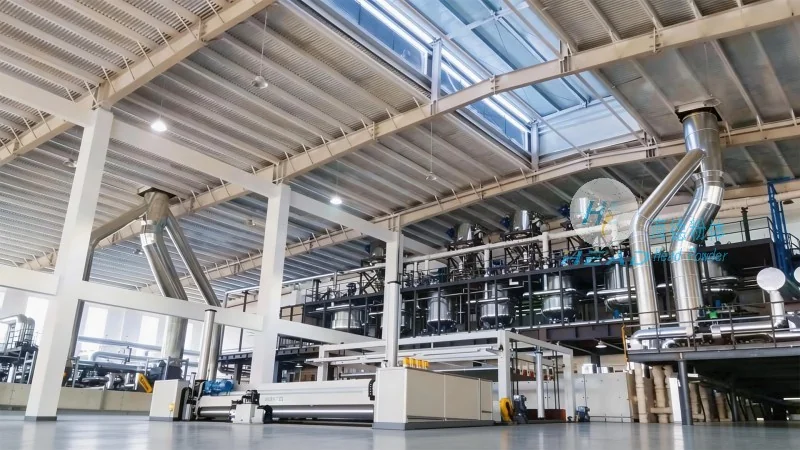
For industries seeking reliable and efficient solutions for glycine material handling, Shandong HeadPowder Engineering Co., Ltd. is a leading provider of pneumatic conveying systems. With years of experience in the engineering and manufacturing of bulk material handling equipment, the company specializes in customizing solutions tailored to specific customer needs. HeadPowder's expertise lies in designing and installing pneumatic conveying lines that meet the highest standards of performance, safety, and durability. The company's facilities are located in Shandong, China, where they leverage advanced technology and skilled personnel to deliver top-quality products. Their commitment to quality and customer satisfaction has earned them a reputation as a trusted partner in the industry. Whether for new installations or upgrades to existing systems, HeadPowder offers comprehensive services, including design, manufacturing, installation, and maintenance support. By choosing HeadPowder, businesses can ensure that their glycine material handling operations are optimized for efficiency, safety, and cost-effectiveness.




