Stone aggregate, a fundamental material in construction and infrastructure projects, requires efficient and reliable transport methods to move from production sites to construction sites. Pneumatic conveying, which uses air to transport bulk materials like stone aggregate, offers a non-contact, flexible solution. However, the choice between negative pressure (suction) and positive pressure (blowing) systems significantly impacts operational efficiency, cost, and application suitability. This article provides a detailed comparison of the advantages and disadvantages of negative pressure and positive pressure conveying for stone aggregate, with insights from Shandong HeadPowder Engineering Co., Ltd., a leading provider in the field.
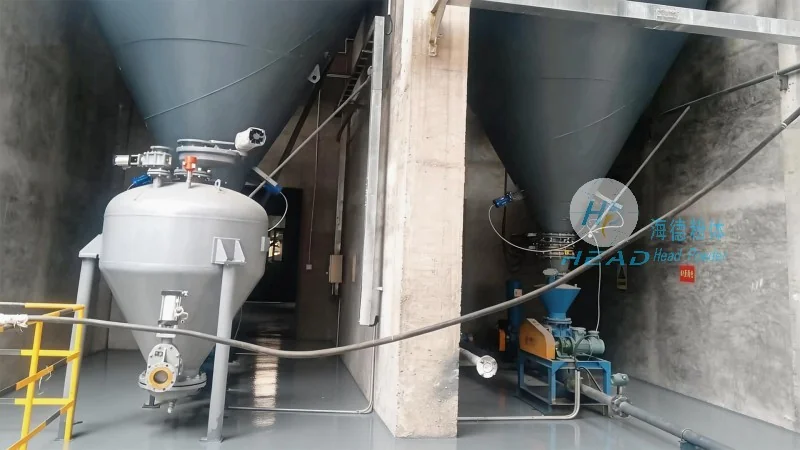
Negative Pressure (Suction) Conveying Systems
Negative pressure conveying, also known as suction conveying, operates by creating a low-pressure zone at the material inlet, drawing the aggregate into the pipeline using a vacuum. This method is particularly effective for short to medium-distance transport and when the material is to be collected from multiple sources. One of the key advantages of negative pressure systems is their ability to handle fine or dusty materials without causing excessive wear on equipment. The suction mechanism also reduces the risk of material spillage at the source, as the material is drawn into the system rather than being pushed out. Additionally, negative pressure conveying is often more energy-efficient for shorter distances, as the vacuum pump only needs to overcome the resistance of the pipeline and material, rather than the entire system pressure.
However, negative pressure systems have notable limitations. The primary drawback is their limited distance capability; they are generally suitable for transport distances of up to 100 meters or less, depending on the material's density and particle size. Longer distances require more powerful vacuum pumps and additional boosters, which increase both capital and operational costs. Another disadvantage is the potential for air leakage, which can reduce the system's efficiency and cause material loss. Furthermore, negative pressure conveying may not be suitable for abrasive or highly corrosive stone aggregates, as the suction process can accelerate wear on the pipeline and equipment components. The system also requires careful maintenance to ensure consistent vacuum levels, as fluctuations can lead to uneven material flow and system downtime.
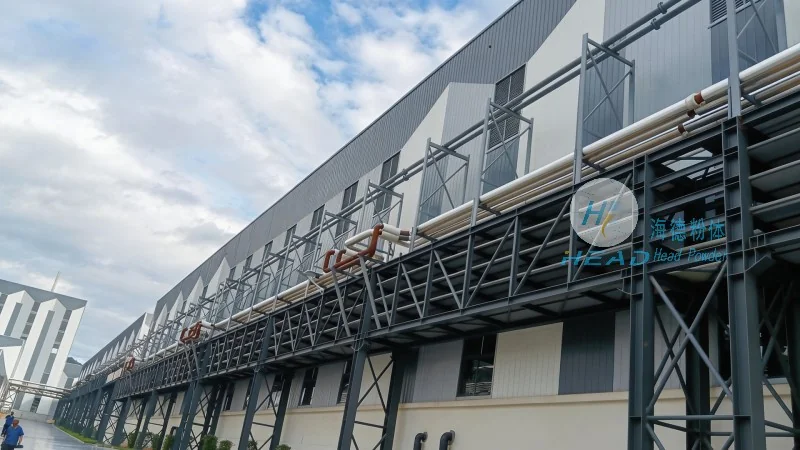
Positive Pressure (Blowing) Conveying Systems
Positive pressure conveying, or blowing conveying, works by generating high-pressure air that pushes the stone aggregate through the pipeline. This method is ideal for longer distances, typically up to several hundred meters or more, and is commonly used in large-scale construction projects where material needs to be transported from quarries to processing plants or construction sites. The primary advantage of positive pressure systems is their ability to handle longer transport distances with higher material throughput. The high-pressure air ensures consistent material flow, reducing the risk of blockages and system downtime. Additionally, positive pressure conveying is more suitable for abrasive materials, as the pushing action distributes wear more evenly across the pipeline and equipment, extending their service life. The system also allows for the integration of multiple material sources along the pipeline, enabling the transport of aggregates from various points to a central destination.
Despite these benefits, positive pressure conveying has its own set of challenges. The most significant drawback is the higher energy consumption compared to negative pressure systems, as the blower must generate sufficient pressure to overcome the entire pipeline resistance and material density. This leads to higher operational costs, especially for long-distance transport. Another disadvantage is the potential for material spillage at the discharge point, as the high-pressure air can cause the material to be expelled forcefully from the system. Furthermore, positive pressure systems are more prone to air leakage, which can reduce efficiency and increase energy costs. The high-pressure environment also requires more robust equipment, such as reinforced pipelines and durable blower components, which increases the initial investment and maintenance requirements.
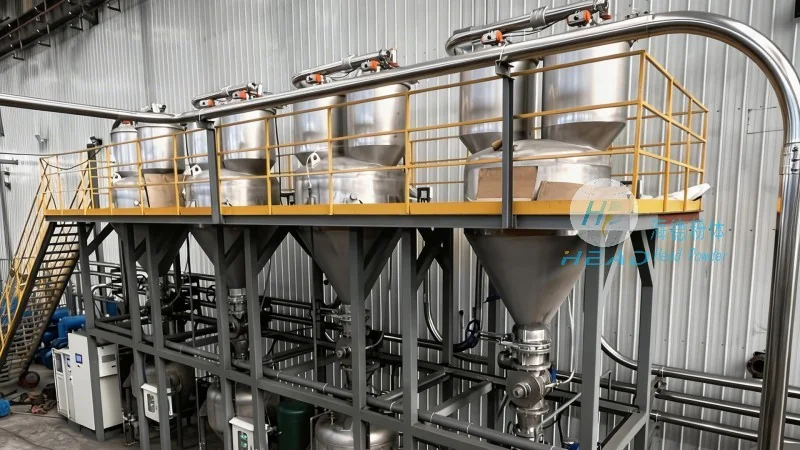
Key Factors Influencing System Selection
The choice between negative pressure and positive pressure conveying for stone aggregate depends on several critical factors, including the distance of transport, material characteristics, and operational requirements. For short-distance applications, such as moving stone aggregate from a crusher to a storage silo within a quarry, negative pressure systems may be more cost-effective due to lower energy consumption and simpler equipment. Conversely, for long-distance transport, such as moving aggregates from a quarry to a construction site located several kilometers away, positive pressure systems are generally preferred for their ability to handle higher material volumes and longer distances.
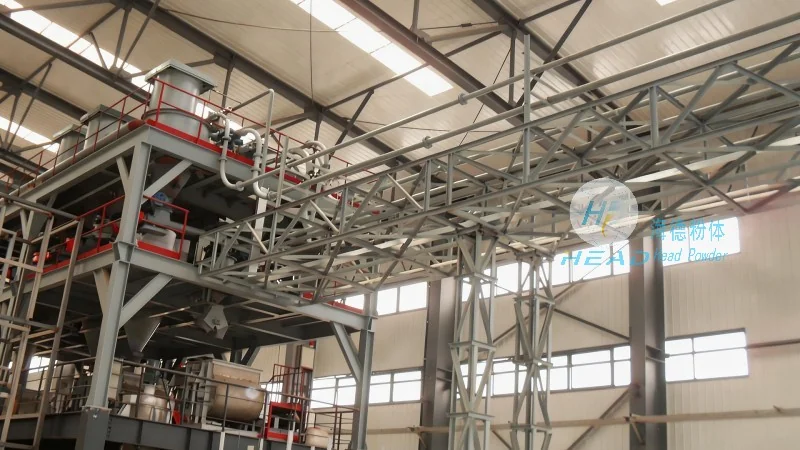
Material characteristics also play a crucial role. Fine or dusty aggregates may be better suited for negative pressure systems, as the suction process can minimize dust dispersion and reduce the risk of material degradation. In contrast, coarse or abrasive aggregates are more compatible with positive pressure systems, as the pushing action distributes wear and prevents blockages. Operational requirements, such as the need for multiple material sources or the presence of obstacles along the transport route, may also influence the system choice. For example, if the transport route includes vertical lifts or changes in elevation, positive pressure systems may be more suitable due to their ability to handle higher pressures and maintain consistent flow.
Conclusion and Recommendations
Both negative pressure and positive pressure conveying systems offer viable solutions for stone aggregate transport, each with distinct advantages and limitations. The optimal choice depends on the specific project requirements, including distance, material type, and budget constraints. Shandong HeadPowder Engineering Co., Ltd. specializes in designing and manufacturing customized pneumatic conveying systems tailored to the unique needs of stone aggregate applications. By evaluating the factors discussed above, project managers and engineers can select the most efficient and cost-effective conveying system, ensuring smooth material transport and minimizing operational challenges. Whether using negative pressure for short-distance, fine material transport or positive pressure for long-distance, high-volume applications, the right system selection can significantly enhance productivity and reduce costs in stone aggregate handling operations.




