Phenolic resin, a type of thermosetting plastic, is widely used in various industrial applications due to its excellent mechanical properties, chemical resistance, and thermal stability. The efficient and safe transportation of phenolic resin powders is crucial for industrial processes, and negative pressure pneumatic conveying systems offer a reliable solution. This article provides an overview of the design principles and key components of a negative pressure pneumatic conveying system specifically tailored for phenolic resin, highlighting the engineering considerations and practical applications.
Key Design Considerations for Phenolic Resin Conveying
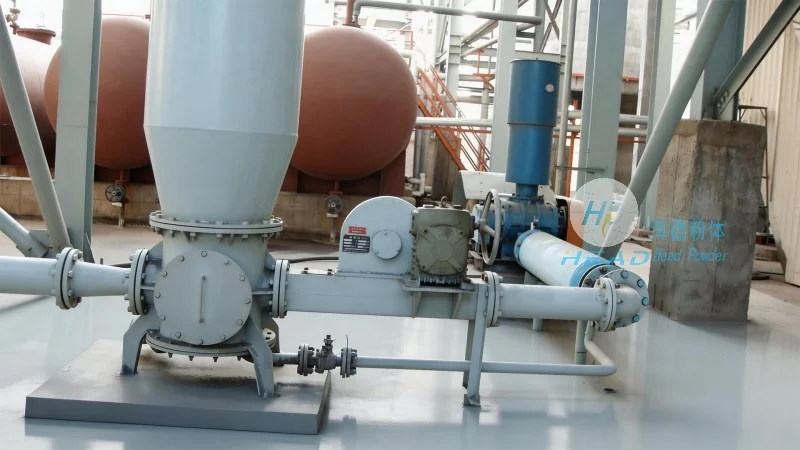
The design of a negative pressure pneumatic conveying system for phenolic resin involves several critical factors to ensure optimal performance, safety, and longevity. First, the material selection for the conveying pipeline and components is paramount. Phenolic resin powders are abrasive and can cause wear on metal surfaces over time. Therefore, materials such as stainless steel, PTFE-coated pipes, or specialized wear-resistant alloys are often employed to minimize degradation and maintain system efficiency. Additionally, the system must be designed to handle the specific particle size distribution and flow characteristics of phenolic resin. The particle size influences the air velocity required for effective transport, as smaller particles may require higher air speeds to overcome drag and prevent settling. The design must also account for the resin's moisture content and potential agglomeration, as these factors can affect the conveying efficiency and system pressure drop.
Components of a Negative Pressure Pneumatic Conveying System
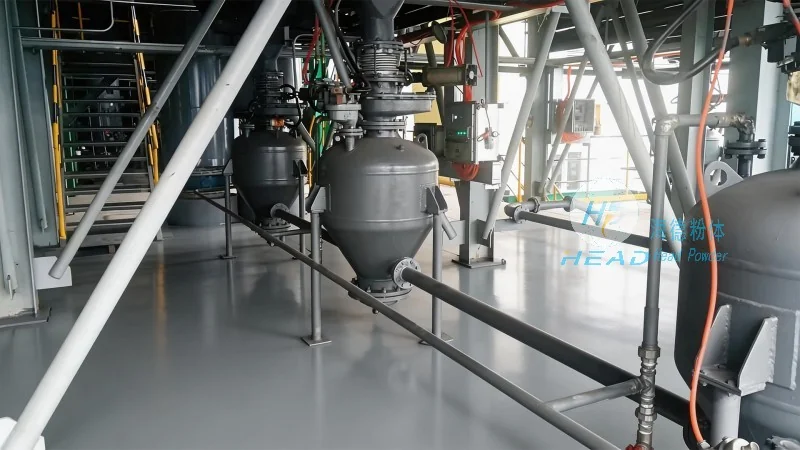
A negative pressure pneumatic conveying system consists of several interconnected components that work in tandem to transport phenolic resin from the source to the destination. The primary components include a suction hopper, a rotary airlock valve, a filter and separator, and a blower or vacuum pump. The suction hopper is designed to collect the phenolic resin and maintain a consistent feed rate. It typically features a hopper with a conical bottom to facilitate material flow and may include a level indicator or sensor to monitor the material level. The rotary airlock valve, positioned at the outlet of the hopper, regulates the flow of resin into the conveying line, preventing backflow and ensuring a controlled discharge rate. The filter and separator unit is crucial for maintaining system cleanliness and preventing dust or particles from entering the blower or downstream equipment. It typically consists of a high-efficiency filter cartridge and a cyclone separator to capture and remove fine particles from the air stream. The blower or vacuum pump generates the negative pressure required to draw the resin through the system, with the choice of equipment depending on the system's capacity and the distance between the source and destination.
Engineering Design Process and Calculations
The engineering design of a negative pressure pneumatic conveying system for phenolic resin involves detailed calculations to determine the appropriate air velocity, pressure drop, and system capacity. The air velocity is a critical parameter, as it must be high enough to overcome the drag forces acting on the resin particles but not so high as to cause excessive wear on the system components or generate excessive noise. The pressure drop across the system is another key factor, as it determines the power requirements of the blower and the overall system efficiency. Engineers use empirical formulas and data from similar applications to estimate the pressure drop, considering factors such as the particle size, density, and flow rate. The system capacity is calculated based on the required throughput of phenolic resin, taking into account the material's bulk density and the conveying line's cross-sectional area. The design process also includes considerations for system safety, such as explosion-proof features for the blower and the inclusion of pressure relief valves to prevent over-pressurization. Additionally, the system must comply with relevant industrial standards and regulations to ensure safe operation and environmental compliance.
Applications and Benefits of Phenolic Resin Negative Pressure Conveying
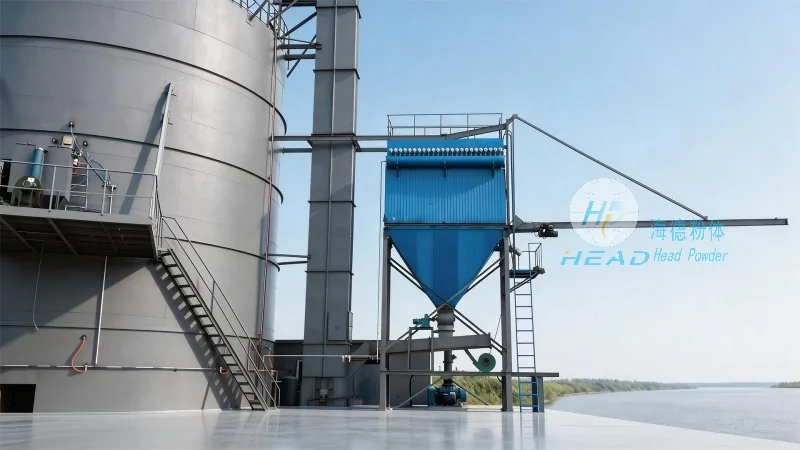
Phenolic resin negative pressure pneumatic conveying systems are widely used in various industries, including automotive, aerospace, and electronics, where phenolic resin is used in the production of molded parts, composites, and coatings. The benefits of using such a system include improved safety by eliminating the need for manual handling of powders, increased efficiency by reducing material handling time and labor costs, and enhanced product quality by minimizing contamination and dust exposure. The negative pressure system also allows for the transportation of phenolic resin over long distances and through multiple stages of processing, such as from a storage silo to a mixing or molding machine. The system's ability to handle abrasive materials and maintain consistent flow rates makes it ideal for high-volume production environments. Furthermore, the design of the system can be customized to meet specific application requirements, such as the need for temperature control or the integration of additional processing steps, such as drying or mixing.
Conclusion and Company Overview
In conclusion, the design of a negative pressure pneumatic conveying system for phenolic resin is a complex engineering task that requires careful consideration of material properties, system components, and operational parameters. The successful implementation of such a system can significantly improve the efficiency and safety of phenolic resin handling processes in industrial settings. Shandong HeadPowder Engineering Co., Ltd., a leading provider of engineering solutions for powder handling systems, specializes in the design and manufacturing of negative pressure pneumatic conveying equipment tailored to the specific needs of phenolic resin applications. With a focus on quality, innovation, and customer satisfaction, the company offers comprehensive solutions that meet the demands of modern industrial production. Located in Shandong, China, HeadPowder Engineering leverages its expertise and experience to deliver reliable and efficient phenolic resin conveying systems that enhance productivity and ensure safe operation in various industrial sectors.




