Steel sand powder pneumatic conveying lines are advanced industrial equipment designed for the efficient and reliable transportation of steel sand and other fine powders. As a key component in material handling systems, these lines offer a solution to the challenges of transporting abrasive and high-density materials over long distances or within complex production environments. The technology behind these systems combines pneumatic principles with robust engineering to ensure optimal performance, minimal maintenance, and consistent material flow. This equipment is provided by Shandong HeadPowder Engineering Co., Ltd., a leading manufacturer based in China, specializing in customized material handling solutions for various industrial applications.
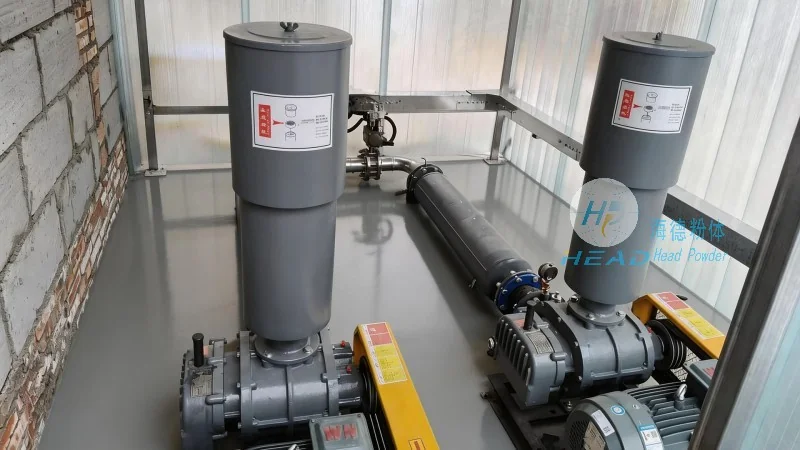
Key Components of a Steel Sand Powder Pneumatic Conveying Line
The effectiveness of a steel sand powder pneumatic conveying line relies on several critical components that work in harmony to achieve the desired material transport. These components include the hopper, which serves as the material storage and feeding unit; the air compressor or blower, which generates the necessary air pressure to move the powder; the pipeline system, which transports the material and air mixture; the control valves and regulators, which manage the flow and pressure; and the dust collection system, which ensures environmental compliance and material recovery. Each component is carefully selected and integrated to handle the specific characteristics of steel sand, such as its high density, abrasive nature, and potential for caking or agglomeration.
The Operation Process of a Steel Sand Powder Pneumatic Conveying Line
The operation of a steel sand powder pneumatic conveying line typically follows a systematic sequence of steps, ensuring smooth and continuous material transfer. The process begins with the loading of steel sand into the hopper. The hopper is equipped with a feeder, such as a rotary valve or a screw feeder, which controls the flow rate of the material into the pipeline. Simultaneously, the air compressor starts, generating a flow of compressed air. The air is introduced into the pipeline at a specific point, often near the hopper, creating a pressure differential that draws the steel sand particles into the air stream. As the mixture travels through the pipeline, the air velocity is maintained at a level sufficient to keep the particles suspended, preventing settling or blockages. The pipeline may include bends, expansions, or other features that require adjustments in air velocity or pressure to maintain efficient transport. The material is then discharged at the receiving end, where a separator or cyclone separates the steel sand from the air. The air is then filtered and returned to the system, while the steel sand is collected in a storage bin or directly to the next processing stage.
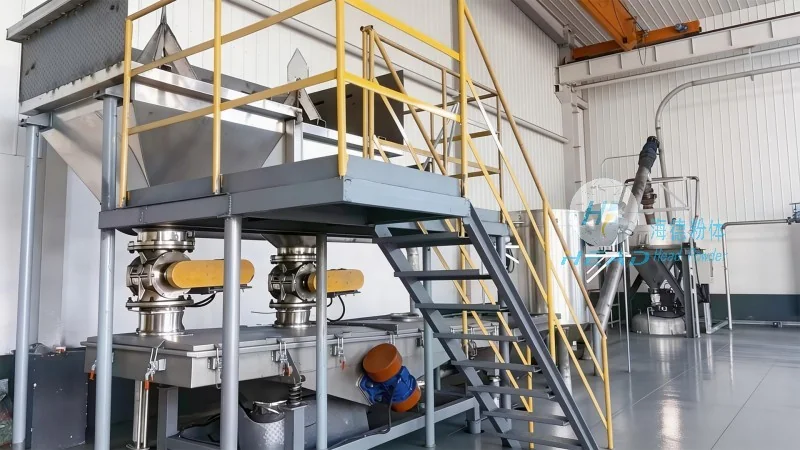
Working Principle of Pneumatic Conveying for Steel Sand
The working principle of a steel sand powder pneumatic conveying line is based on the fundamental concept of fluidization and suspension of solid particles by a gas stream. When compressed air is introduced into the pipeline, it creates a high-velocity flow that interacts with the steel sand particles. The air flow exerts a drag force on the particles, overcoming gravity and other forces that would otherwise cause them to settle. This suspension of particles in the air stream allows for the efficient transportation of the material through the pipeline. The key parameters that determine the success of this process include the air velocity, which must be sufficient to keep the particles in suspension, and the pressure differential, which drives the flow. The design of the pipeline, including its diameter, length, and curvature, also plays a crucial role in maintaining the required air velocity and preventing pressure losses or blockages. Additionally, the material properties of steel sand, such as its particle size distribution, density, and abrasiveness, influence the optimal operating conditions for the conveying line.
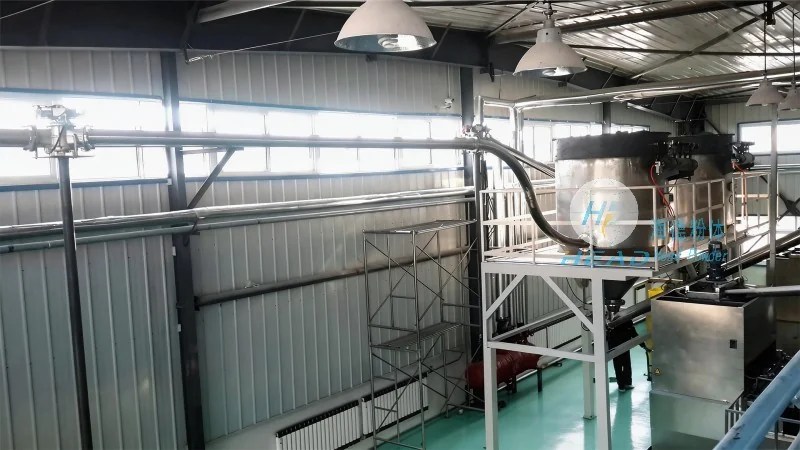
Advantages of Using Steel Sand Powder Pneumatic Conveying Lines
Steel sand powder pneumatic conveying lines offer several advantages over traditional material handling methods, such as belt conveyors or bucket elevators. One of the primary benefits is the ability to transport materials in a closed system, which reduces dust emissions and improves environmental compliance. This is particularly important for steel sand, which can be a source of fine particles that may cause respiratory issues or environmental pollution. Another advantage is the flexibility of the system, as the pipeline can be easily reconfigured or extended to accommodate changes in production requirements or facility layout. The system also provides a high degree of control over the material flow, allowing for precise regulation of the feed rate and discharge location. Furthermore, pneumatic conveying lines are generally more compact and require less floor space compared to other bulk material handling solutions, making them suitable for installations with limited space. The reduced need for mechanical components, such as belts or chains, also minimizes maintenance requirements and extends the service life of the equipment.
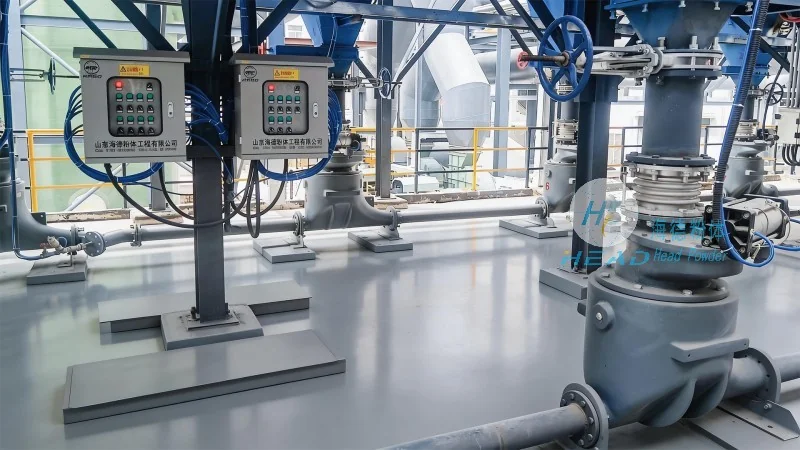
Applications and Industries Using Steel Sand Powder Pneumatic Conveying Lines
Steel sand powder pneumatic conveying lines are widely used in various industries that handle abrasive and high-density powders. These include foundries, where steel sand is used in sand casting processes; metalworking and machining facilities, which require the transport of steel sand for cleaning or finishing operations; and construction material processing plants, which use steel sand in concrete or other composite materials. In foundries, the conveying lines are essential for moving steel sand from storage to the molding or casting areas, ensuring a consistent supply of material for production. In metalworking, the lines help in the removal of steel sand from workpieces after machining, improving the efficiency of the cleaning process. In construction, the lines facilitate the transport of steel sand to mixing stations or storage areas, contributing to the overall productivity of the facility. The adaptability of these systems to different material types and production scales makes them a preferred choice for many industrial applications.
Maintenance and Operational Considerations for Steel Sand Powder Pneumatic Conveying Lines
Proper maintenance and operational management are crucial for ensuring the long-term performance and reliability of steel sand powder pneumatic conveying lines. Regular inspection and cleaning of the hopper, feeder, and pipeline are necessary to prevent the accumulation of material or debris, which can lead to blockages or increased pressure losses. The air compressor and blower should be checked regularly for proper operation, including air pressure and flow rate, to maintain the required conditions for conveying. The control valves and regulators must be calibrated to ensure accurate control of the material flow and pressure. Additionally, the dust collection system should be maintained to ensure efficient filtration and material recovery. Operational considerations also include monitoring the system for any signs of wear or degradation, such as increased energy consumption or reduced material flow, which may indicate the need for maintenance or component replacement. By following a proactive maintenance schedule and adhering to operational guidelines, users can maximize the lifespan and efficiency of their steel sand powder pneumatic conveying lines.




