Understanding the operation process and working principle of a gelatin powder pneumatic conveying line is crucial for optimizing material handling efficiency in industrial applications. This article provides a detailed overview of how such systems function, focusing on the key components, operational steps, and technical aspects involved in transporting gelatin powder efficiently and safely.
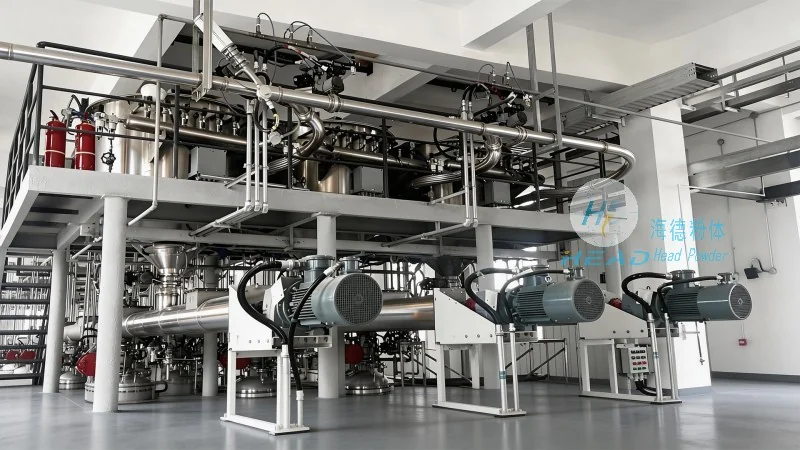
Key Components of a Gelatin Powder Pneumatic Conveying System
A gelatin powder pneumatic conveying line typically consists of several essential components that work in tandem to ensure smooth material transport. These include a hopper for material storage, a conveyor line (either positive or negative pressure system), a filter or separator to remove entrained particles, and a receiver or discharge point for the material. The system may also incorporate accessories like check valves, flow control devices, and pressure regulators to maintain optimal operating conditions.
Working Principle of Pneumatic Conveying
The fundamental principle behind pneumatic conveying is the use of air or gas to transport solid particles through a pipeline. In a positive pressure system, air is blown into the conveying line, creating a pressure higher than the ambient air, which propels the powder forward. Conversely, a negative pressure system draws air and powder from the material source using a vacuum, pulling the material into the pipeline. For gelatin powder, which is hygroscopic and sensitive to moisture, the choice of system and material of construction (e.g., stainless steel or food-grade plastics) is critical to prevent degradation and ensure product quality.
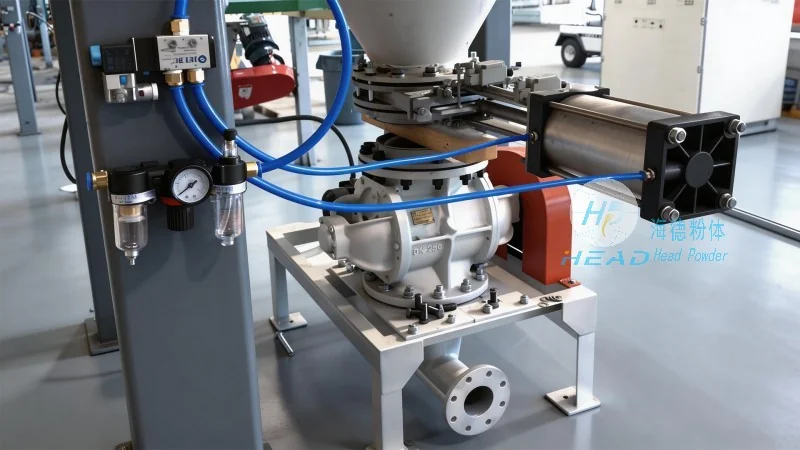
Operation Process: Step-by-Step Guide
The operation of a gelatin powder pneumatic conveying line involves several sequential steps that ensure consistent and reliable material transport. The process begins with the loading of gelatin powder into the hopper. The powder is then fed into the conveying line using a rotary valve or feeder, which controls the flow rate to match the system's capacity. The air or gas is introduced at the appropriate pressure or vacuum level, initiating the transport of the powder through the pipeline. As the powder travels, it may encounter a filter or separator that removes any fines or contaminants, ensuring the delivered material meets quality standards. The material is then discharged into the receiver or final destination, where it is collected for further processing or packaging.
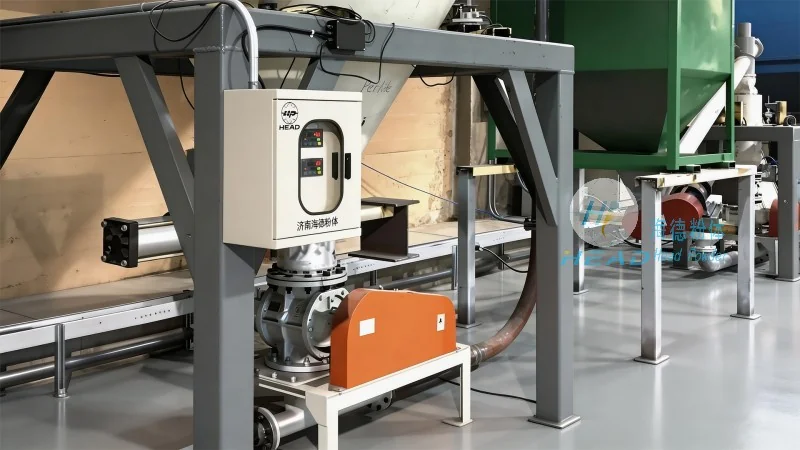
Factors Affecting System Performance
Several factors influence the performance of a gelatin powder pneumatic conveying system, including the particle size and density of the gelatin powder, the system's pressure or vacuum level, the pipeline diameter and length, and the type of conveying air (e.g., compressed air or filtered ambient air). Proper system design and maintenance are essential to minimize issues such as blockages, pressure drops, and material degradation. Regular cleaning and inspection of components like the hopper, feeder, and filter are recommended to maintain optimal performance and extend the system's lifespan.
About Shandong HeadPowder Engineering Co., Ltd.
Shandong HeadPowder Engineering Co., Ltd., operating under the brand name headpowder, is a leading manufacturer specializing in the design, fabrication, and installation of pneumatic conveying systems for various industrial applications. With a focus on quality and innovation, the company provides customized solutions tailored to the specific needs of clients, including those handling sensitive materials like gelatin powder. Headpowder's expertise in material handling technology ensures that their systems are efficient, reliable, and compliant with industry standards. The company's headquarters is located in Shandong, China, where they leverage advanced manufacturing capabilities and technical expertise to deliver high-performance pneumatic conveying solutions to global markets.




