PP (Polypropylene) pellets are widely used in various industrial applications, and efficient material handling is crucial for maintaining production efficiency and product quality. Pneumatic conveying technology offers a solution for transporting these pellets over short to medium distances, with two primary modes: positive pressure and negative pressure systems. This article provides an in-depth analysis of these two modes, highlighting their characteristics, advantages, and applications, with a focus on the specific needs of PP pellet handling.
Introduction to Pneumatic Conveying for PP Pellets
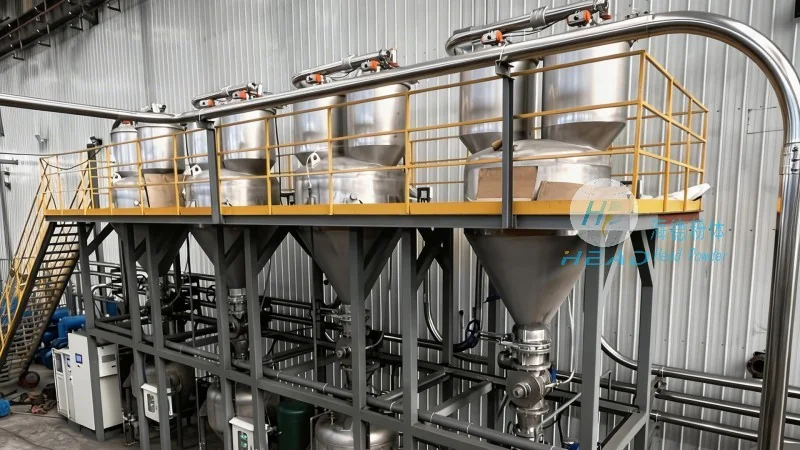
Pneumatic conveying is a method of transporting bulk materials like PP pellets using a stream of air or gas. It eliminates the need for mechanical components such as conveyors or elevators, reducing maintenance costs and minimizing product contamination. The technology is particularly suitable for handling powders and granules, including PP pellets, which are often sensitive to moisture and require clean, dust-free transport. The choice between positive and negative pressure systems depends on factors such as material properties, distance, and system complexity.
Positive Pressure Pneumatic Conveying System
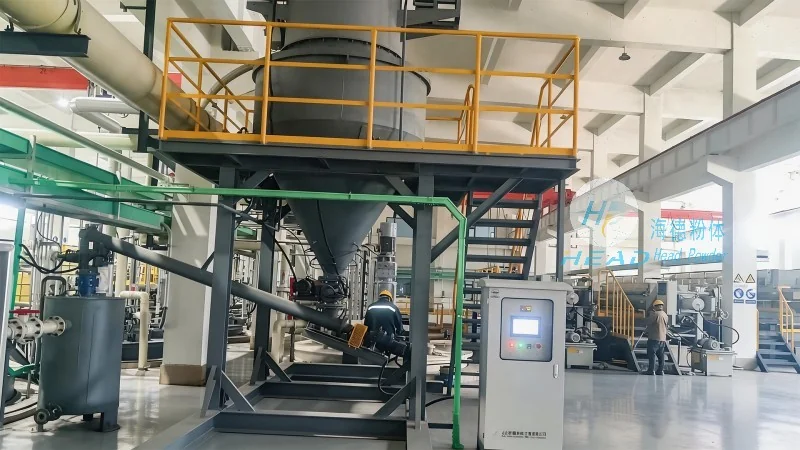
Positive pressure systems operate by blowing air or gas into the conveying line, creating a pressure higher than the ambient air pressure. The material is drawn into the line by the pressure differential and transported to the destination. This mode is often preferred for short to medium distance conveying, as it can handle larger volumes and is more efficient for transporting materials with higher moisture content or those that are prone to bridging. The system typically includes a blower, a hopper, and a conveying line, with the material being fed into the line through a feeder. The positive pressure ensures that the material is continuously moved forward, preventing clogging and ensuring consistent flow rates.
Key Features and Advantages of Positive Pressure Systems
Positive pressure systems offer several advantages for PP pellet handling. First, they are capable of transporting materials over longer distances compared to negative pressure systems, making them suitable for industrial settings where the conveying distance exceeds the typical range of negative pressure systems. Second, the higher pressure ensures that the material is fully enclosed within the conveying line, reducing the risk of dust emissions and environmental contamination. This is particularly important for PP pellets, which are often used in food and medical applications where product purity is critical. Third, positive pressure systems are easier to clean and maintain, as the entire line is under pressure, allowing for thorough flushing and inspection. The system also provides better control over the conveying rate, enabling precise regulation of material flow to match production requirements.
Negative Pressure Pneumatic Conveying System
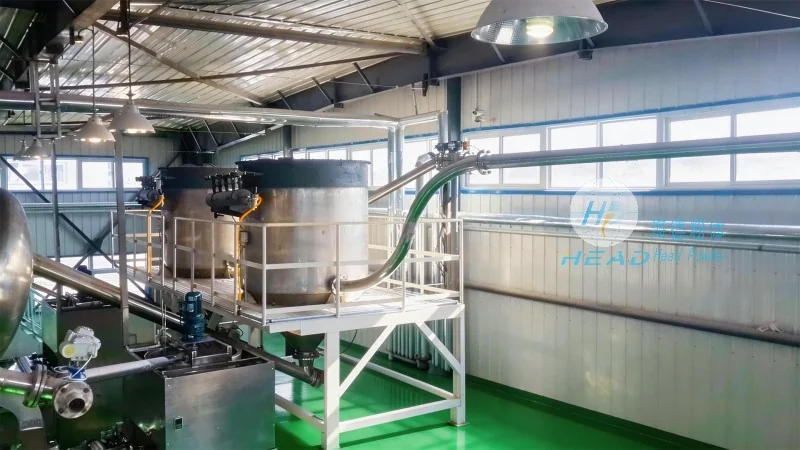
Negative pressure systems, also known as vacuum systems, operate by creating a vacuum in the conveying line, drawing material from the source into the line using the pressure differential. The material is then transported to the destination, where it is discharged. This mode is commonly used for short to medium distance conveying, especially when the material is to be transported from a higher elevation to a lower one, or when the material is sensitive to high pressure. The system typically includes a vacuum pump, a hopper, and a conveying line, with the material being fed into the line through a feeder. The negative pressure ensures that the material is drawn into the line, preventing it from being released into the environment.
Key Features and Advantages of Negative Pressure Systems
Negative pressure systems have their own set of advantages for PP pellet handling. One of the main benefits is the lower initial cost compared to positive pressure systems, as they require less powerful equipment and can be simpler to install. This makes them an attractive option for smaller-scale operations or for applications where the conveying distance is short. Another advantage is the ability to handle materials with lower moisture content or those that are less prone to bridging, as the lower pressure reduces the risk of material degradation. Negative pressure systems also allow for more flexible system design, as the vacuum can be applied to multiple points along the conveying line, enabling the transport of materials from various sources to a single destination. This flexibility is particularly useful in complex industrial setups where multiple material sources need to be integrated into a single conveying system.
Comparison of Positive and Negative Pressure Systems for PP Pellets
When comparing positive and negative pressure systems for PP pellet handling, several factors need to be considered. The most significant difference is the pressure differential: positive pressure systems use higher pressure to push material, while negative pressure systems use lower pressure to pull material. This affects the system's efficiency, as positive pressure systems are generally more efficient for longer distances and larger volumes. However, negative pressure systems are more cost-effective for shorter distances and smaller volumes. Another key difference is the risk of dust emissions: positive pressure systems are more likely to release dust into the environment unless properly sealed, while negative pressure systems are more enclosed and reduce dust exposure. For PP pellets used in sensitive applications, the reduced dust risk of negative pressure systems may be a deciding factor. Additionally, the maintenance requirements differ: positive pressure systems require more robust components to handle higher pressures, while negative pressure systems may need more frequent cleaning to prevent dust buildup in the vacuum pump and line.
Application Considerations for PP Pellet Handling
The choice between positive and negative pressure systems for PP pellet handling depends on the specific application requirements. For example, in food processing plants where PP pellets are used to produce plastic products, a negative pressure system may be preferred to minimize the risk of contamination and ensure product purity. In contrast, in large-scale manufacturing facilities where PP pellets are transported over long distances to multiple production lines, a positive pressure system may be more suitable due to its higher capacity and efficiency. The system design also needs to consider the material's properties, such as particle size, density, and moisture content. Larger or denser PP pellets may require higher pressure in the positive system or more powerful vacuum in the negative system to ensure smooth transport. Additionally, the system should be designed to handle variations in material flow, such as fluctuations in production rates, to maintain consistent conveying performance.
Conclusion
In conclusion, both positive and negative pressure pneumatic conveying systems offer viable solutions for PP pellet handling, each with its own set of advantages and limitations. Positive pressure systems are generally more efficient for longer distances and larger volumes, while negative pressure systems are more cost-effective and flexible for shorter distances and smaller volumes. The choice of system should be based on the specific application requirements, including the conveying distance, material properties, and environmental considerations. By understanding the characteristics of each system, industrial operators can select the most appropriate technology to ensure efficient, reliable, and cost-effective PP pellet transport. As the demand for PP pellets continues to grow, the development of advanced pneumatic conveying systems will play a crucial role in meeting the evolving needs of the industry.




