For industries dealing with ceramic powders, efficient material handling is crucial to maintain product quality and operational efficiency. Pneumatic conveying systems offer a non-contact, dust-free method to transport these fine materials, and understanding the differences between positive and negative pressure modes is essential for selecting the right technology. This article provides a detailed analysis of ceramic powder pneumatic conveying, focusing on the comparison between positive and negative pressure systems, with insights from Shandong HeadPowder Engineering Co., Ltd., a leading provider in the field.
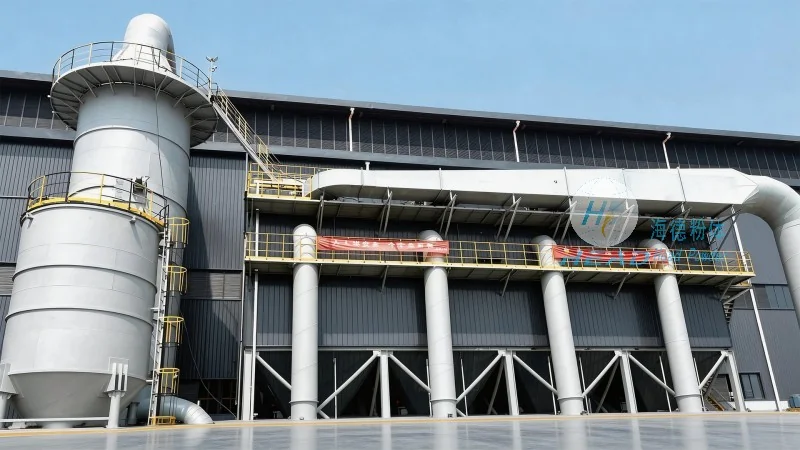
About Shandong HeadPowder Engineering Co., Ltd.
Shandong HeadPowder Engineering Co., Ltd., operating under the brand name headpowder, specializes in the design, manufacturing, and implementation of advanced pneumatic conveying solutions. With a focus on precision and reliability, the company serves a wide range of industries, including ceramics, pharmaceuticals, and food processing. HeadPowder's expertise lies in tailoring systems to meet specific material characteristics and operational requirements, ensuring optimal performance and minimal downtime.
Positive Pressure Pneumatic Conveying Systems
Positive pressure systems, also known as pressure conveying, operate by blowing air or gas into the conveying line, creating a positive pressure environment. This method is particularly effective for transporting ceramic powders over long distances or through complex piping networks. The system typically includes a blower, a hopper for material storage, and a discharge point where the material is released under pressure. One of the key advantages of positive pressure is its ability to handle abrasive materials like ceramic powders without causing excessive wear on equipment. Additionally, it can transport materials at high velocities, reducing the risk of clogging in the line. However, positive pressure systems require more robust components, such as high-pressure blowers and reinforced piping, which can increase initial investment costs. They are also more prone to air leakage, which may affect the system's efficiency and environmental compliance.
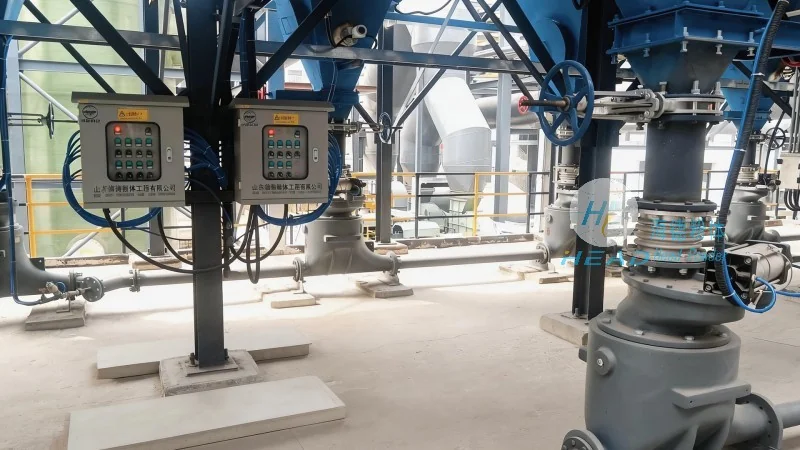
Negative Pressure Pneumatic Conveying Systems
Negative pressure systems, or vacuum conveying, work by creating a vacuum in the conveying line to draw material from the source. This method is ideal for handling fine, dust-sensitive ceramic powders that are prone to dispersion or contamination. The system consists of a vacuum pump, a hopper, and a collection point where the material is deposited under vacuum. Negative pressure conveying is generally more energy-efficient compared to positive pressure, as it uses less power to create the vacuum. It also allows for the collection of material from multiple points, making it suitable for applications where the material needs to be gathered from various sources. However, negative pressure systems have limitations when dealing with highly abrasive or sticky materials, as the vacuum can cause material buildup on the suction side. Furthermore, they may not be as effective for long-distance transport due to the potential for pressure drop and material deposition in the line.
Comparison: Positive vs. Negative Pressure Systems
When selecting a pneumatic conveying system for ceramic powders, the choice between positive and negative pressure depends on several factors, including material properties, distance, and operational environment. Positive pressure systems excel in long-distance transport and handling abrasive materials, while negative pressure systems are better suited for fine, dust-sensitive powders and applications requiring multiple collection points. From an energy perspective, negative pressure systems are more efficient, but they may require more maintenance due to the vacuum pump and the risk of material accumulation. Positive pressure systems, though more energy-intensive, offer greater flexibility in system design and are easier to scale for larger production volumes. Ultimately, the decision should be based on a thorough analysis of the specific requirements of the ceramic powder application, considering factors such as material flow rate, particle size, and the need for dust control.
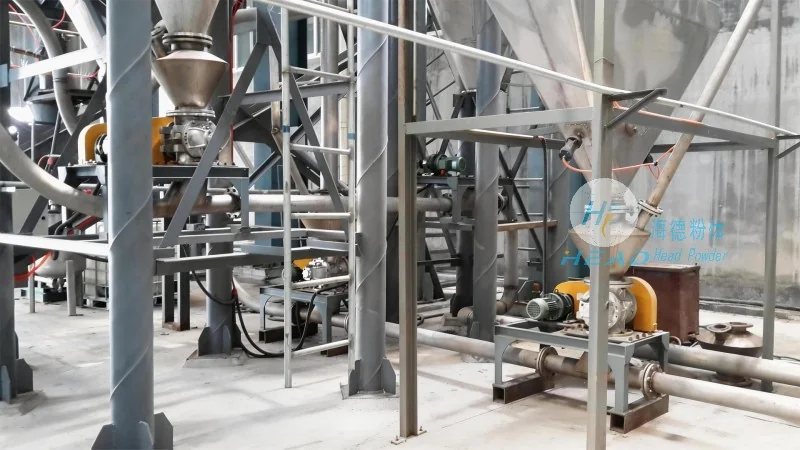
Application Considerations for Ceramic Powder Handling
For ceramic manufacturers, the choice of pneumatic conveying system directly impacts product quality and operational costs. Positive pressure systems are often preferred for high-volume production lines where material needs to be transported quickly and efficiently over long distances. They are particularly useful in industries like tile manufacturing, where large quantities of ceramic powders are processed. Negative pressure systems, on the other hand, are ideal for applications involving fine ceramic powders, such as in the production of ceramic coatings or specialty ceramics. These systems help maintain the purity of the material by minimizing exposure to air and reducing the risk of contamination. Shandong HeadPowder Engineering Co., Ltd. provides customized solutions that address these specific needs, ensuring that the chosen system aligns with the customer's operational goals and material characteristics.
Conclusion: Tailored Solutions for Ceramic Powder Conveying
Understanding the differences between positive and negative pressure pneumatic conveying systems is critical for optimizing ceramic powder handling processes. By leveraging the expertise of companies like Shandong HeadPowder Engineering Co., Ltd., manufacturers can select the most appropriate technology to enhance efficiency, reduce costs, and maintain product quality. Whether opting for positive or negative pressure, the key is to consider the unique properties of the ceramic powder and the operational requirements of the facility. With proper system design and implementation, pneumatic conveying can significantly improve the overall performance of ceramic powder handling operations, supporting the growth and success of the industry.




