Pneumatic conveying is a critical technology in the handling and transportation of nickel powder, a material widely used in various industrial applications such as battery manufacturing, metal alloys, and chemical processing. The choice between positive pressure and negative pressure systems significantly impacts operational efficiency, material quality, and system reliability. This article provides a detailed analysis of the two primary modes—positive and negative—used in nickel powder pneumatic conveying, with a focus on their characteristics, advantages, and practical applications.
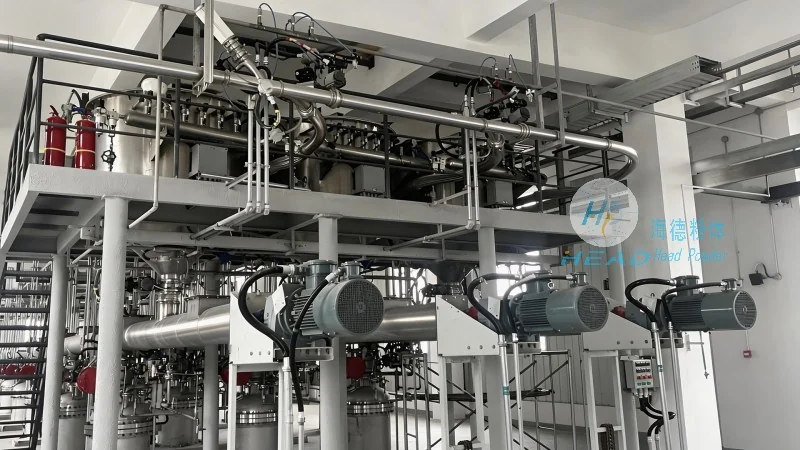
Company Overview: HeadPowder
HeadPowder, operating as Shandong HeadPowder Engineering Co., Ltd., is a leading provider of specialized engineering solutions for powder handling systems. With a strong presence in China, particularly in Shandong, the company specializes in designing, manufacturing, and implementing advanced pneumatic conveying technologies tailored to the unique needs of nickel powder processing. Their expertise lies in optimizing material flow, minimizing product degradation, and ensuring safe, efficient transportation of sensitive powders like nickel powder.
Positive Pressure Pneumatic Conveying Systems
Positive pressure systems operate by generating air pressure within the conveying line, pushing the material forward. This mode is particularly effective for long-distance or high-capacity conveying of nickel powder. The system typically includes a blower or compressor that supplies compressed air to the material feed point, where the powder is introduced into the air stream. The positive pressure ensures that the material is continuously propelled through the pipeline, reducing the risk of blockages and maintaining consistent flow rates.
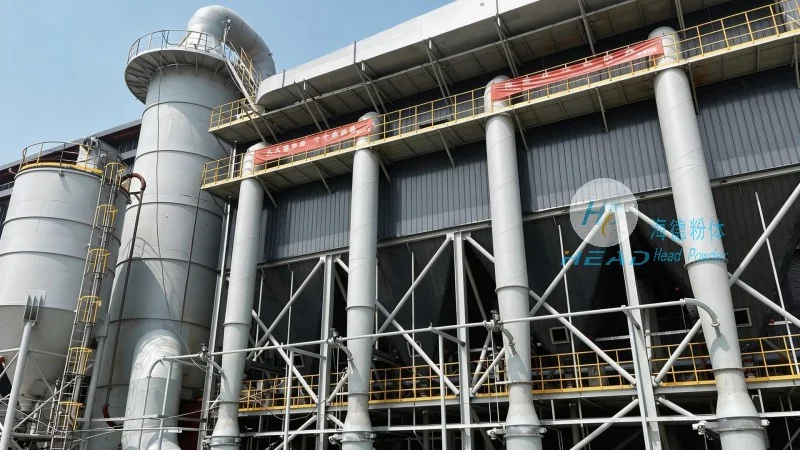
Key advantages of positive pressure systems include high conveying capacity, suitability for long distances, and the ability to handle abrasive or corrosive materials without significant wear on components. However, they may require more robust equipment and higher energy consumption compared to negative pressure systems. The system is also less prone to dust leakage, making it ideal for applications where environmental control is critical, such as in cleanroom or hazardous material handling environments.
Negative Pressure Pneumatic Conveying Systems
Negative pressure systems, also known as suction or vacuum systems, operate by creating a vacuum in the conveying line, drawing the material into the system. This mode is commonly used for short-distance conveying or when the material needs to be collected from multiple points. The system typically uses a vacuum pump to create the suction, and the material is drawn into the pipeline from the source, often through a hopper or feeder.
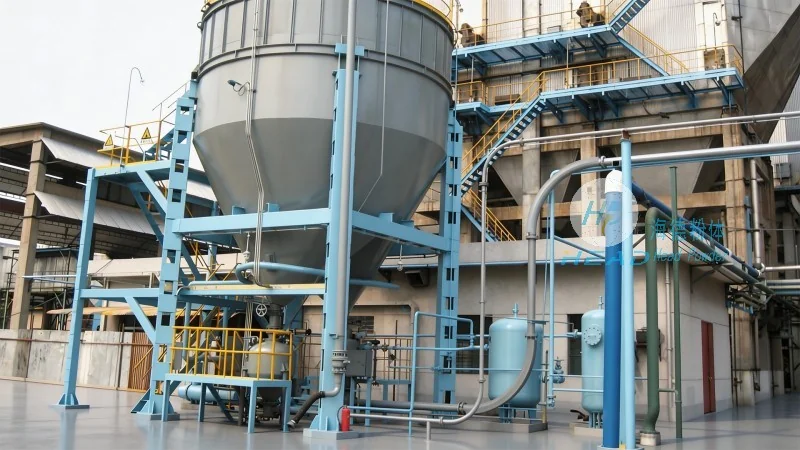
Advantages of negative pressure systems include lower initial costs and reduced energy consumption compared to positive pressure systems. They are also more flexible in terms of layout, as the material can be drawn from various locations without the need for a continuous pressure source. However, negative pressure systems are more susceptible to blockages and can be less efficient for long-distance or high-volume conveying. The vacuum also increases the risk of dust leakage, which may require additional filtration and containment measures.
Comparison of Positive and Negative Pressure Modes
When selecting between positive and negative pressure systems for nickel powder conveying, several factors must be considered. The primary considerations include the distance between the source and destination, the volume of material to be conveyed, the required material quality, and the environmental regulations. Positive pressure systems are generally preferred for long-distance or high-capacity applications due to their higher efficiency and reliability. Negative pressure systems are more suitable for short-distance or low-volume applications where cost and flexibility are prioritized.
From a maintenance perspective, positive pressure systems may require more frequent maintenance of the blower or compressor, while negative pressure systems may need more attention to vacuum pump performance and filtration systems. The choice also impacts the overall system cost, with positive pressure systems typically having higher upfront costs but potentially lower long-term operational costs due to higher efficiency.
Practical Applications and Considerations
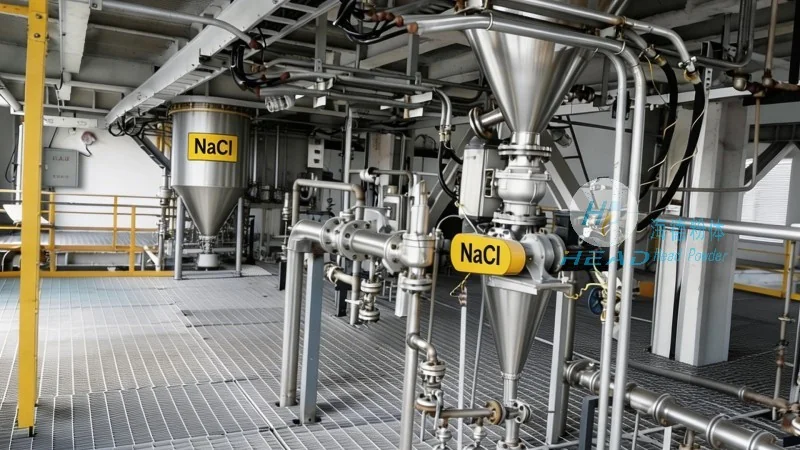
For nickel powder applications, the choice of system depends on the specific process requirements. For example, in battery manufacturing, where high-purity nickel powder is used, positive pressure systems may be preferred to minimize contamination and ensure consistent material quality. In metal alloy production, where large volumes of nickel powder are processed, positive pressure systems can handle the high throughput efficiently. Conversely, in smaller-scale operations or where the material is collected from multiple points, negative pressure systems may offer a more cost-effective solution.
Environmental considerations also play a role. Positive pressure systems are better suited for applications where dust control is critical, as they prevent external air from entering the system and contaminating the material. Negative pressure systems, while more flexible, may require additional dust collection equipment to comply with environmental regulations. The system also impacts the safety of the operation, with positive pressure systems generally considered safer due to the enclosed air flow.




