

Working Principle and Features of Phosphorus Pentoxide Pneumatic Conveying Systems
Phosphorus pentoxide (P₂O₅), also known as phosphoric anhydride, is a highly hygroscopic and reactive chemical compound widely used in industrial applications, including the production of phosphoric acid, flame retardants, and other phosphorus-based products. The efficient and safe handling of P₂O₅ is critical due to its corrosive nature and potential for rapid moisture absorption. Pneumatic conveying systems have emerged as a preferred method for transporting this hazardous material, offering advantages over traditional mechanical conveying methods. This article explores the working principle and key features of a phosphorus pentoxide pneumatic conveying system, highlighting its benefits and operational considerations.
The Working Principle of Phosphorus Pentoxide Pneumatic Conveying Systems
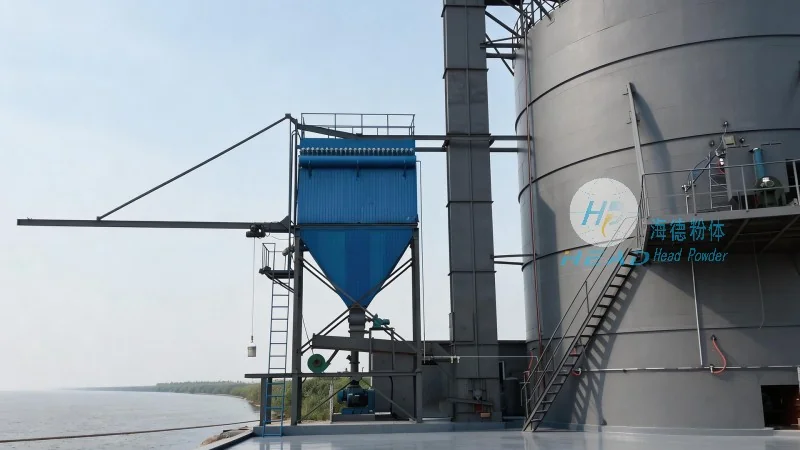
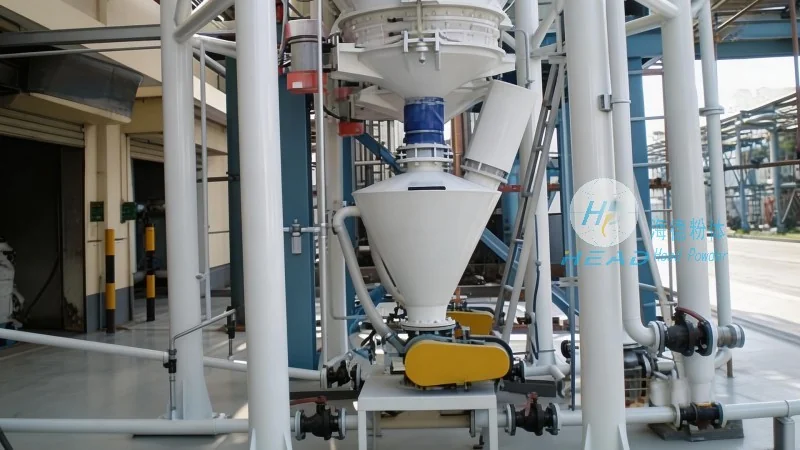
A pneumatic conveying system for phosphorus pentoxide operates on the principle of using air or other gases to transport the material through a pipeline. The system typically consists of a material feed hopper, a rotary valve or feeder, a conveying line, and a receiver or discharge point. The process begins with the material being fed from the hopper into the feeder, which controls the flow rate and ensures a consistent feed. The feeder then discharges the material into the conveying line, where it is entrained by the moving air stream. The air velocity is maintained at a level sufficient to keep the material suspended and prevent particle settling or blockages. The conveying line may include components such as bends, expansion joints, and filters to ensure smooth flow and prevent material degradation. The material is then discharged into the receiver, where it is collected and prepared for further processing. The system may also include a dust collection or filtration system to capture any airborne particles and ensure environmental compliance.
Key Features and Advantages of Phosphorus Pentoxide Pneumatic Conveying Systems
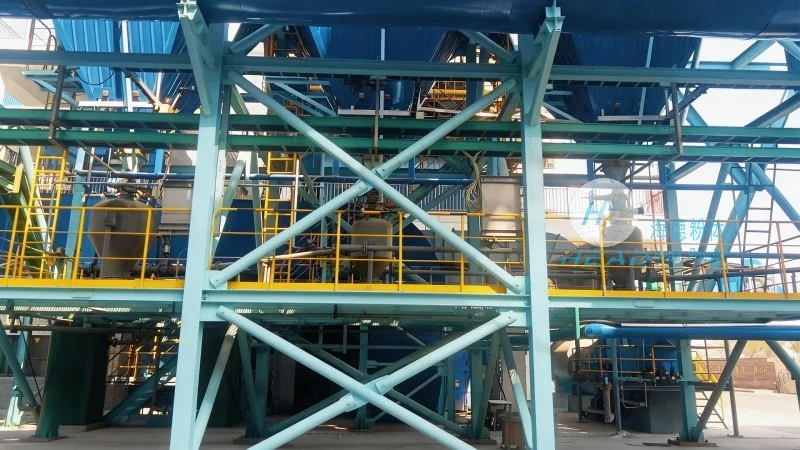
Phosphorus pentoxide pneumatic conveying systems offer several advantages over traditional conveying methods, making them ideal for handling this hazardous material. One of the primary features is the ability to transport the material in a closed system, which minimizes exposure to the environment and reduces the risk of contamination. The closed system also helps to control dust emissions and prevent the material from coming into contact with moisture, which could cause it to clump or degrade. Another key feature is the flexibility of the system, as it can be easily adapted to different production requirements and layout configurations. The system can be designed to handle varying material flow rates and particle sizes, ensuring efficient and reliable operation. Additionally, pneumatic conveying systems are capable of transporting P₂O₅ over long distances without the need for multiple transfer points, reducing the risk of material loss or contamination. The system also provides better control over the material's temperature and moisture content, which is critical for maintaining the quality of the final product. Furthermore, the use of air as the conveying medium allows for a relatively low-cost and energy-efficient operation compared to other methods, such as mechanical conveying or bulk handling.
Operational Considerations and Safety Measures
When operating a phosphorus pentoxide pneumatic conveying system, several operational considerations and safety measures must be taken into account. First, the system must be designed to handle the high reactivity and hygroscopic nature of P₂O₅, which can cause rapid moisture absorption and material degradation. The conveying line and components must be made of materials that are resistant to corrosion and chemical attack, such as stainless steel or specialized coatings. The system must also be equipped with proper ventilation and dust collection systems to prevent the accumulation of airborne particles and ensure worker safety. Additionally, the system should be equipped with emergency shutdown mechanisms and alarms to detect any malfunctions or abnormalities. Regular maintenance and inspection of the system are also essential to ensure its proper operation and to prevent any potential hazards. The operators must be trained on the safe handling of P₂O₅ and the proper operation of the conveying system to minimize the risk of accidents or spills.
About Shandong HeadPowder Engineering Co., Ltd.
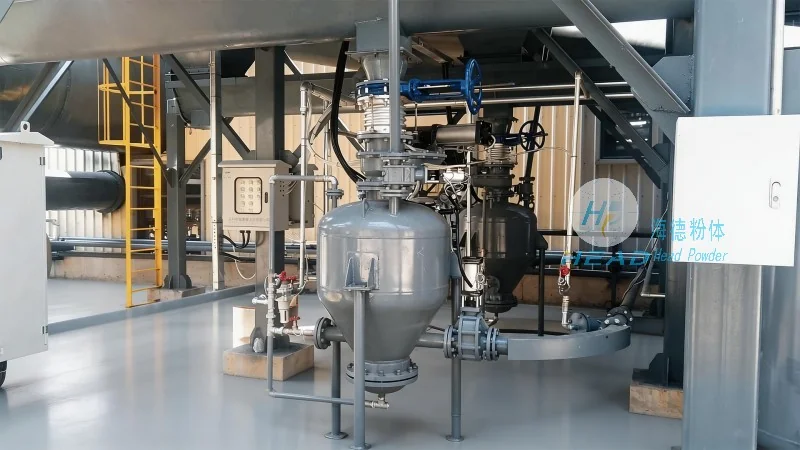
Shandong HeadPowder Engineering Co., Ltd., operating under the brand name headpowder, is a leading manufacturer and supplier of pneumatic conveying systems and related equipment for the chemical industry. With years of experience in the field, the company specializes in designing and manufacturing customized solutions for handling hazardous and sensitive materials, including phosphorus pentoxide. The company's products are known for their high quality, reliability, and efficiency, and are widely used in various industrial applications. HeadPowder's team of engineers and technicians work closely with clients to understand their specific needs and provide tailored solutions that meet their requirements. The company is committed to providing safe and effective conveying systems that help clients improve their production processes and reduce operational costs. With a strong focus on research and development, HeadPowder continuously innovates and improves its products to stay ahead in the industry. The company's commitment to quality and customer satisfaction has earned it a reputation as a trusted partner in the chemical industry.