

Working Principle and Features of Borax Pneumatic Conveying Equipment
For industrial applications involving borax, efficient material handling is crucial. Pneumatic conveying systems offer a reliable solution for transporting borax, and understanding their working principles and key features is essential for optimizing operations. This article provides an in-depth look at the technology behind borax pneumatic conveying equipment, highlighting how it operates and the advantages it brings to industrial processes.
Introduction to Borax Pneumatic Conveying Systems
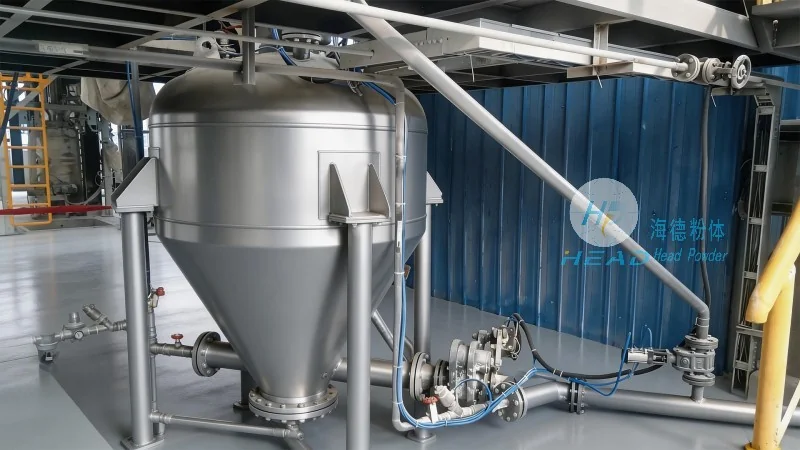
Borax, a common industrial chemical, is often transported in bulk quantities. Traditional methods like belt conveyors or bucket elevators may face challenges such as material degradation, contamination, or high maintenance costs. Pneumatic conveying systems provide a more flexible and efficient alternative, utilizing air to move borax particles through a pipeline network. The system typically consists of a hopper, a blower or compressor, a conveying line, and a discharge point, all working in tandem to ensure smooth material transfer.
Working Principle of Borax Pneumatic Conveying Equipment
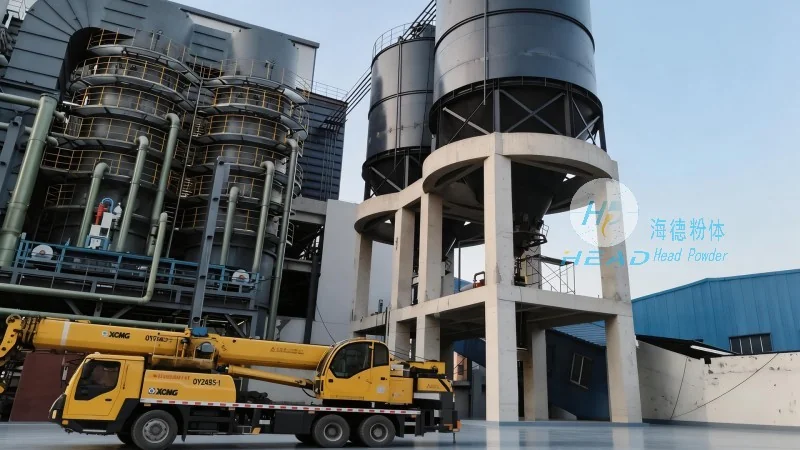
The core of borax pneumatic conveying equipment lies in the air flow mechanism. The process begins with the material being fed into a hopper, where it is then drawn into the conveying line by a vacuum or pressure created by the blower. The air, mixed with borax particles, travels through the pipeline at a controlled velocity, ensuring that the particles are suspended and transported without clogging. The system can operate under either positive pressure or negative pressure, depending on the specific application and layout of the conveying line. Positive pressure systems use compressed air to push the material forward, while negative pressure systems use suction to pull the material from the source.
Key Features and Advantages of Borax Pneumatic Conveying Equipment
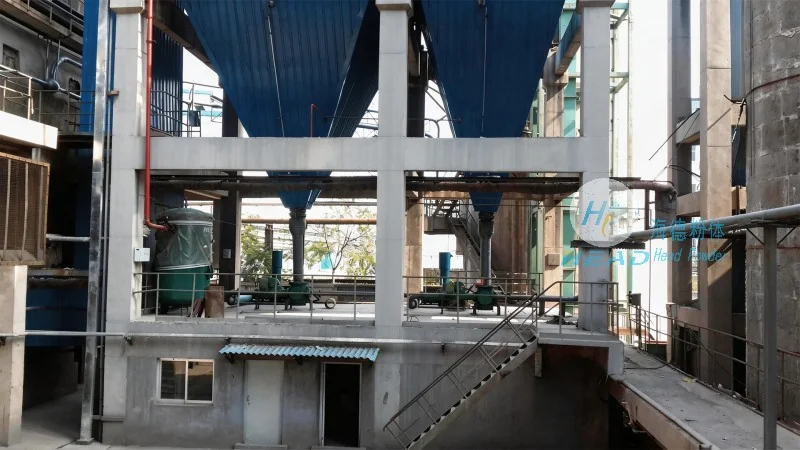
Borax pneumatic conveying equipment offers several advantages that make it a preferred choice for many industries. Firstly, it provides a clean and dust-free transfer process, minimizing the risk of contamination and improving product quality. Unlike mechanical systems, there is no direct contact between the material and the conveying components, reducing wear and tear and extending the equipment's lifespan. Additionally, the system is highly flexible, allowing for changes in the conveying route or capacity without major modifications. It also enables the integration of multiple feeding or discharge points, enhancing operational efficiency. The ability to handle fine or abrasive materials like borax is another key feature, as the air flow effectively prevents material buildup and blockages.
Applications and Industrial Use Cases
Borax pneumatic conveying systems are widely used in various industrial sectors, including chemical manufacturing, food processing, and pharmaceuticals. In chemical plants, they are employed to transport borax from storage silos to processing units, ensuring a continuous and controlled supply. In food processing facilities, the system helps maintain hygiene standards by preventing cross-contamination and dust exposure. The versatility of the technology also makes it suitable for handling other bulk materials, making it a valuable asset in industrial material handling.
Conclusion and Company Overview
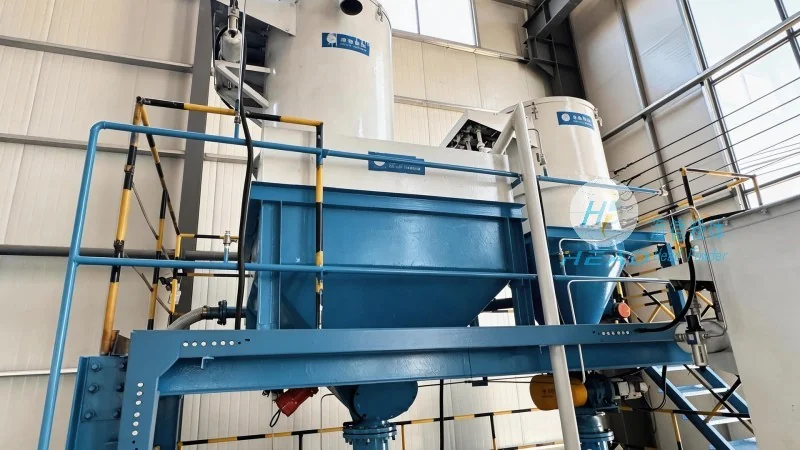
Understanding the working principle and features of borax pneumatic conveying equipment is vital for optimizing industrial material handling processes. The technology offers a reliable, efficient, and flexible solution for transporting borax, with benefits that include reduced contamination, lower maintenance costs, and improved operational flexibility. As a leading provider in this field, Shandong HeadPowder Engineering Co., Ltd. specializes in designing and manufacturing high-quality pneumatic conveying systems tailored to the specific needs of borax handling applications. With a focus on innovation and customer satisfaction, the company ensures that its equipment meets the highest standards of performance and durability, supporting the efficient operation of industrial facilities worldwide.