Aluminum ash slag, a byproduct of aluminum production processes, requires specialized handling and transportation systems to ensure efficient and safe management. The material handling system for aluminum ash slag is engineered to address the unique challenges posed by this industrial waste, including its abrasive nature, high temperature, and potential for dust generation. This article explores the components, design principles, and operational considerations of such systems, with a focus on the engineering solutions provided by Shandong HeadPowder Engineering Co., Ltd.
Key Components of the Material Handling System
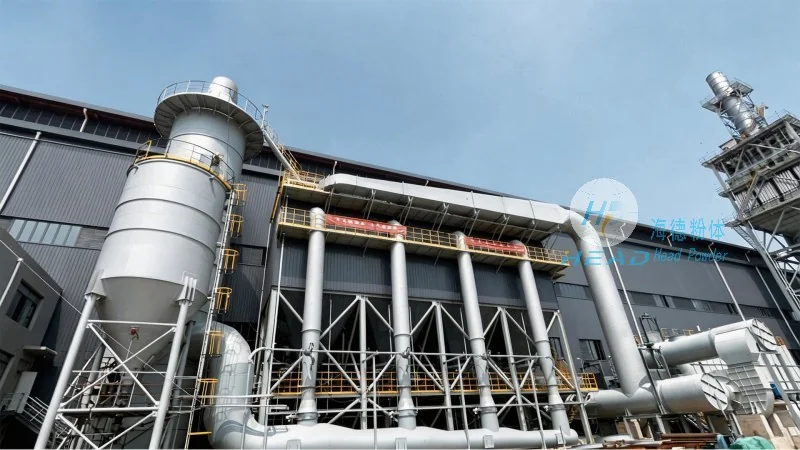
The aluminum ash slag material handling system typically comprises several critical components that work in tandem to transport and process the slag. These include feed hoppers, conveyor belts or screw conveyors, dust collection systems, and discharge mechanisms. The feed hopper is designed to receive the aluminum ash slag from the production line, ensuring a uniform flow into the subsequent conveying equipment. Conveyor belts, often equipped with heavy-duty belts and robust idlers, are commonly used for horizontal and slight incline transport due to their ability to handle abrasive materials without excessive wear. Screw conveyors, on the other hand, are suitable for vertical or inclined transport, providing a compact solution for moving the slag to higher elevations or different processing stages. Dust collection systems are integral to maintaining air quality and worker safety, as aluminum ash slag can generate fine particles during handling. These systems typically include cyclones, bag filters, or electrostatic precipitators to capture and neutralize the dust before releasing it to the environment.
Design Principles for Efficient Material Handling
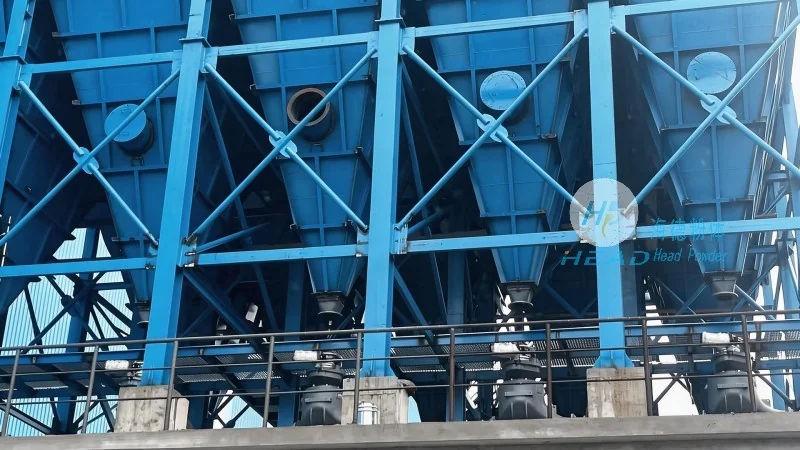
The design of an aluminum ash slag material handling system is guided by several key principles aimed at optimizing performance, durability, and safety. First, the system must be constructed from materials that can withstand the abrasive and corrosive properties of aluminum ash slag. High-strength steel, stainless steel, or specialized alloys are commonly used for components such as hoppers, chutes, and conveyor frames to prevent wear and extend service life. Second, the system is designed to minimize material degradation and blockages. This involves using smooth, non-stick surfaces and appropriate angles in chutes to prevent the accumulation of slag, which can lead to system downtime. Third, the system incorporates safety features to protect operators and equipment. This includes emergency stop mechanisms, protective guards on moving parts, and monitoring systems to detect overloads or blockages. Additionally, the design considers energy efficiency, with components such as variable speed drives used to adjust conveyor speeds based on the load, reducing energy consumption and operational costs.
Operational Considerations and Maintenance
Operational efficiency and longevity of the aluminum ash slag material handling system depend on proper maintenance and operational practices. Regular inspection of conveyor belts, idlers, and drive systems is essential to identify and address wear or damage before they lead to system failures. Lubrication of moving parts, such as bearings and chains, is critical to reducing friction and preventing overheating. The dust collection system also requires routine cleaning and maintenance to ensure optimal performance and prevent clogging. Additionally, operators should be trained on the proper handling of aluminum ash slag, including the use of personal protective equipment (PPE) and emergency procedures. By adhering to these operational guidelines, the system can maintain its efficiency and safety, minimizing downtime and maximizing the lifespan of the equipment.
Conclusion
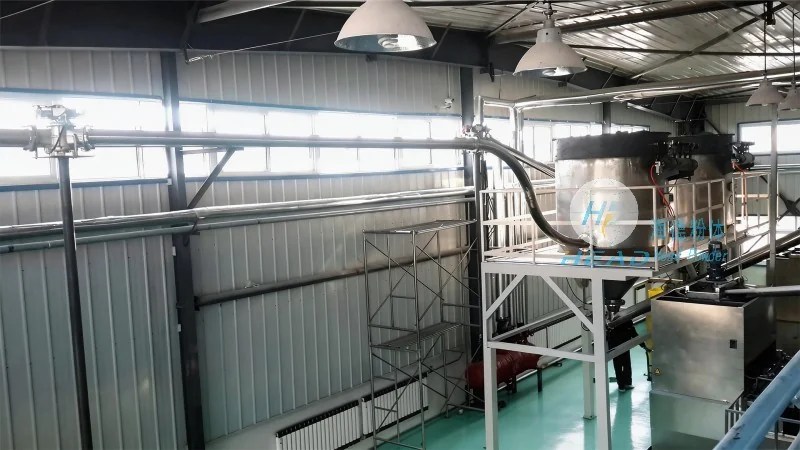
Aluminum ash slag material handling systems are critical components in the aluminum production industry, ensuring the safe and efficient transport of this byproduct. The design principles and components outlined in this article highlight the importance of engineering solutions tailored to the unique challenges of aluminum ash slag. Shandong HeadPowder Engineering Co., Ltd. specializes in providing customized material handling systems that meet the specific needs of aluminum production facilities, combining durability, efficiency, and safety. By adhering to these design principles and operational practices, facilities can effectively manage aluminum ash slag while minimizing environmental impact and operational costs.




