Understanding the mechanics and design principles of corn kernel material handling systems is crucial for industries that rely on efficient grain processing and transportation. These systems are engineered to manage the movement of corn kernels from one point to another within a processing facility, ensuring optimal flow, minimal loss, and consistent quality. The core function of such systems lies in their ability to handle the bulk material with precision, adapting to the unique characteristics of corn kernels like size, density, and moisture content.
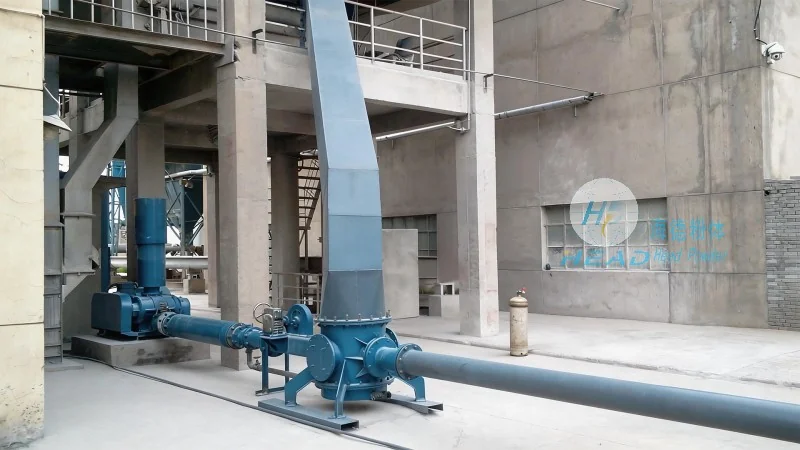
Key Components and Functional Design of the System
At the heart of a corn kernel material handling system are several critical components that work in tandem to achieve seamless operation. The system typically includes feeders, conveyors, and control mechanisms, each designed to address specific operational needs. Feeders, such as gravity feeders or screw conveyors, are responsible for initial material intake and distribution. They ensure a uniform flow of corn kernels into the system, preventing blockages and maintaining consistent throughput. Conveyors, including belt conveyors or pneumatic systems, then transport the kernels to processing or storage areas. Control systems, often integrated with sensors and automation, monitor the flow rate, detect jams, and adjust parameters in real-time to maintain efficiency. The design of these components is tailored to the physical properties of corn kernels, ensuring that the system can handle varying kernel sizes and densities without compromising performance.
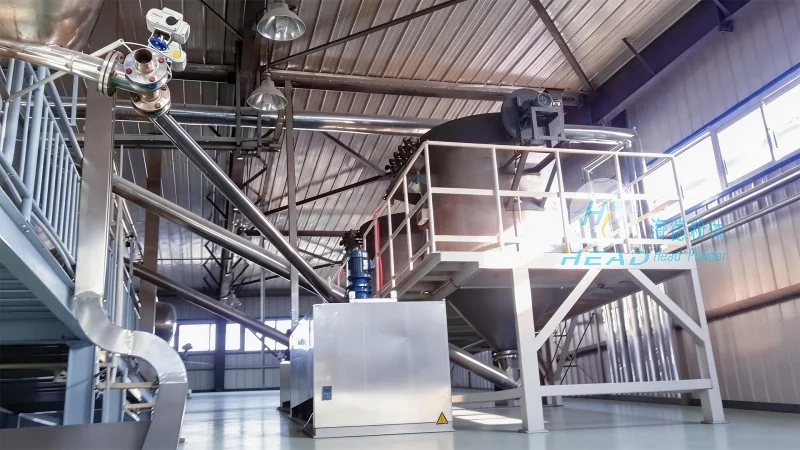
Design Principles for Efficient Material Handling
The design principles underlying corn kernel material handling systems prioritize efficiency, reliability, and adaptability. One fundamental principle is the minimization of friction and wear, as corn kernels are abrasive and can cause wear on system components over time. Materials used in the construction of conveyors, such as stainless steel or corrosion-resistant alloys, are selected to withstand the abrasive nature of the kernels while maintaining durability. Another key principle is the optimization of flow dynamics. The system is designed to maintain a smooth, continuous flow of material, reducing the risk of clogging or uneven distribution. This is achieved through proper slope angles, appropriate conveyor speeds, and the use of specialized components like agitators or vibrators to keep the kernels moving. Additionally, the design considers the need for easy maintenance and cleaning, as hygiene is critical in food processing applications. Access points for cleaning and inspection are strategically placed to facilitate regular upkeep, ensuring the system remains operational and compliant with industry standards.
Application and Integration in Industrial Settings
Corn kernel material handling systems are widely used in various industrial settings, including grain processing plants, feed mills, and agricultural facilities. In these environments, the system plays a vital role in connecting different stages of the production process, from raw kernel reception to final product packaging. For example, in a grain processing plant, the system may transport kernels from storage silos to milling equipment, ensuring a steady supply for grinding into flour or other products. In feed mills, the system helps distribute kernels to mixing and extrusion processes, contributing to the production of animal feed. The integration of these systems with other processing equipment is seamless, as they are designed to interface with existing machinery and control networks. This integration allows for automated operation, reducing the need for manual intervention and enhancing overall productivity. The adaptability of the system also allows it to be customized for specific applications, such as handling different varieties of corn or processing kernels with varying moisture levels.
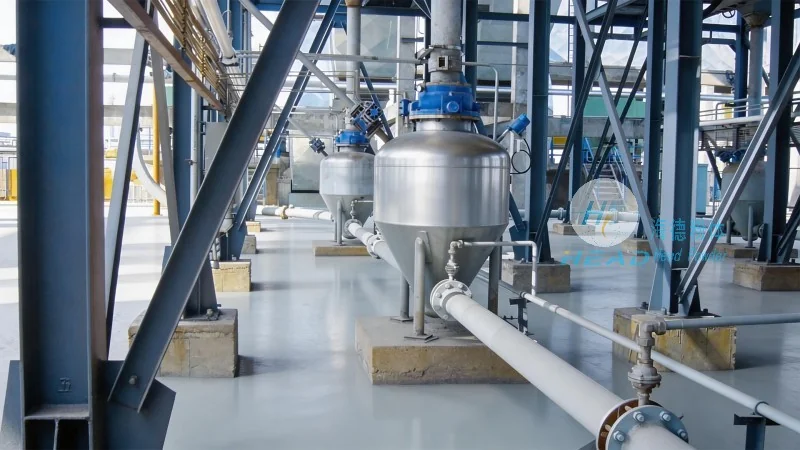
Conclusion and Company Overview
In conclusion, corn kernel material handling systems are sophisticated engineering solutions that enable efficient and reliable transportation of corn kernels in industrial settings. The design principles, components, and operational strategies employed in these systems are tailored to the unique characteristics of corn kernels, ensuring optimal performance and minimal downtime. As a leader in engineering solutions for material handling, Shandong HeadPowder Engineering Co., Ltd. specializes in designing and manufacturing systems that meet the specific needs of clients in the agricultural and food processing industries. With a focus on durability, efficiency, and adaptability, the company provides systems that enhance productivity and maintain the quality of corn kernels throughout the processing chain. Based in China, the company leverages its expertise and local resources to deliver high-quality solutions that meet the demands of modern industrial operations.




