When it comes to industrial material handling, especially for iron oxide materials, understanding the specialized systems and their design principles is crucial for efficient operations. This article delves into the iron oxide material handling system, exploring its components, functionality, and the underlying design principles that ensure optimal performance in various industrial applications. Shandong HeadPowder Engineering Co., Ltd., a leading provider of industrial material handling solutions, specializes in designing and manufacturing systems tailored to the unique needs of iron oxide applications.
Understanding the Iron Oxide Material Handling System
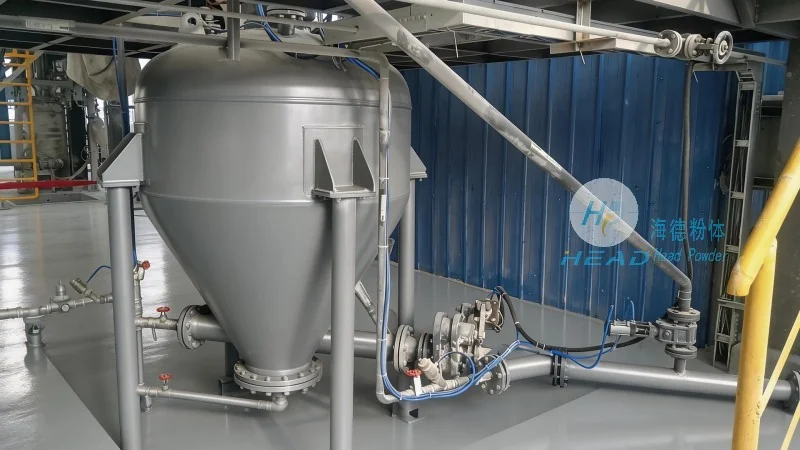
An iron oxide material handling system is a specialized setup designed to transport, store, and manage iron oxide powders or bulk materials. These systems are commonly used in industries such as pigments, coatings, and pharmaceuticals, where iron oxide is a key raw material. The system typically includes components like hoppers, conveyors, storage silos, and control mechanisms, all working in tandem to ensure the material is handled safely and efficiently.
Key Components of the Iron Oxide Material Handling System
The core components of an iron oxide material handling system are engineered to address the unique properties of iron oxide, including its fine particle size, potential for dust generation, and the need for controlled flow. Key elements include:
- Hoppers and Feeders: These are used to receive and meter the iron oxide material from storage silos or bulk containers. The design of hoppers often incorporates sloped sides and sometimes vibratory or rotary feeders to ensure consistent material flow, preventing blockages and ensuring a steady feed to downstream equipment.
- Conveyors: Conveyors are essential for transporting iron oxide from one point to another within the system. Common types include belt conveyors, screw conveyors, and pneumatic conveying systems. The choice of conveyor depends on the material's characteristics, such as particle size and moisture content, as well as the distance and elevation changes required.
- Storage Silos: Large storage silos are used to store bulk iron oxide, providing a stable and controlled environment. These silos are often equipped with level sensors and aeration systems to prevent material bridging or compaction, which can lead to flow issues.
- Control Systems: Modern iron oxide material handling systems are integrated with advanced control systems that monitor and regulate the flow of material. These systems may include sensors for level, pressure, and temperature, as well as programmable logic controllers (PLCs) that adjust conveyor speeds, feeder rates, and other parameters to maintain optimal operation.
Design Principles for Optimal Performance
The design of an iron oxide material handling system follows several key principles to ensure efficiency, safety, and reliability. These principles are tailored to the specific characteristics of iron oxide and the operational requirements of the industry:
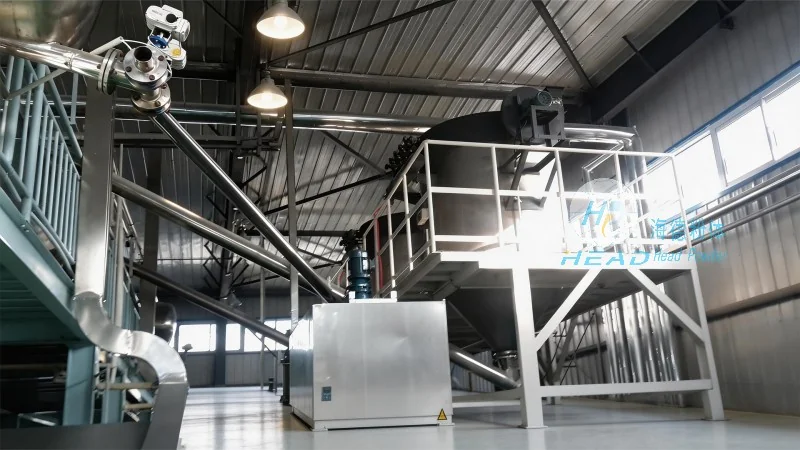
1. Material Flow Management: A critical design principle is ensuring smooth and unobstructed material flow. This involves proper hopper design to prevent bridging or rat-holing, as well as the use of appropriate conveyors and feeders that can handle the material's particle size and density. The system is designed to minimize friction and maintain consistent flow rates, which is essential for preventing clogs and ensuring continuous operation.
2. Dust Control and Safety: Iron oxide powders can generate significant dust, which poses health and safety risks. Therefore, dust control is a paramount design consideration. The system incorporates features such as enclosed hoppers, dust collection systems, and explosion-proof designs to mitigate dust hazards. Proper ventilation and filtration are also implemented to maintain a safe working environment.
3. Scalability and Flexibility: The design of the system is often modular and scalable, allowing it to adapt to changing production needs. This flexibility is crucial for industries where material volumes or processing requirements may vary over time. The system can be expanded or reconfigured to accommodate increased production or different material types, ensuring long-term operational efficiency.
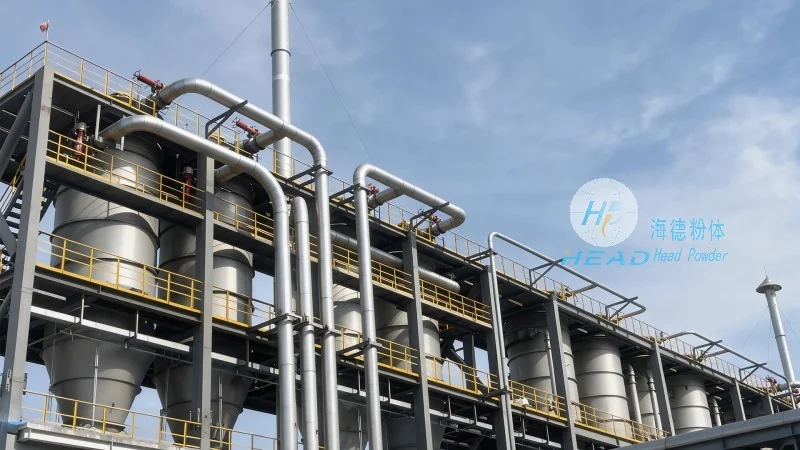
4. Maintenance and Accessibility: To ensure long-term reliability, the system is designed with ease of maintenance in mind. Access points for cleaning, inspection, and repairs are strategically placed, and components are designed for easy disassembly and reassembly. Regular maintenance is facilitated by the system's modular design, reducing downtime and extending the lifespan of the equipment.
Applications and Benefits of the Iron Oxide Material Handling System
The iron oxide material handling system is widely used in various industrial applications, offering several key benefits:
1. Enhanced Productivity: By streamlining the material handling process, the system increases production efficiency and reduces downtime. The consistent flow of iron oxide ensures that downstream processes, such as mixing or coating, can operate continuously without interruptions.
2. Improved Safety: The system's design prioritizes safety, minimizing the risk of dust exposure and other hazards associated with handling iron oxide powders. This not only protects workers but also complies with regulatory requirements, reducing the risk of fines or operational disruptions.
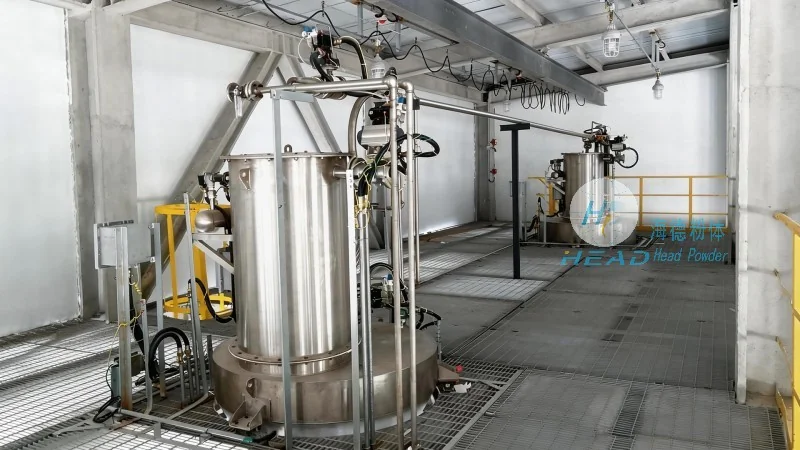
3. Cost-Effectiveness: Efficient material handling reduces waste and lowers operational costs. By preventing material loss and minimizing the need for manual handling, the system helps companies save on labor and material expenses over time.
4. Environmental Compliance: The system is designed to minimize environmental impact, with features such as dust collection and proper waste management. This ensures that the operation complies with environmental regulations and contributes to a sustainable industrial process.
Conclusion
An iron oxide material handling system is a sophisticated and essential component of industrial operations, particularly in industries that rely on iron oxide as a raw material. The design principles, components, and applications of such a system are tailored to the unique properties of iron oxide and the operational needs of the industry. By understanding and implementing these principles, companies can achieve efficient, safe, and cost-effective material handling, ensuring long-term success in their respective fields.




