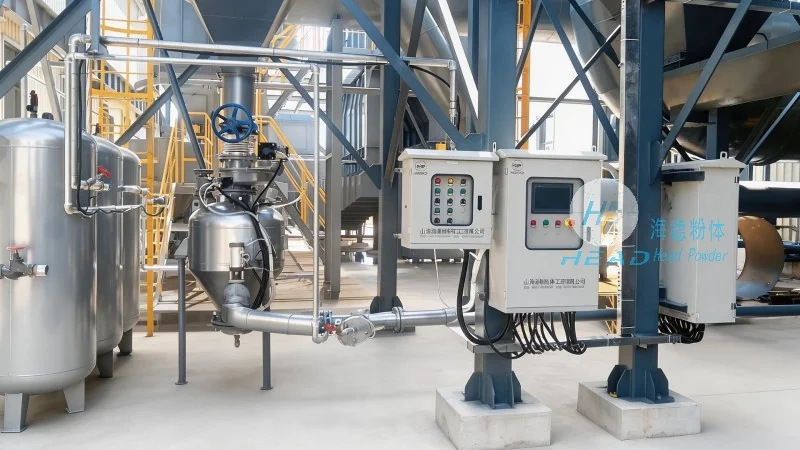
Buckwheat hull powder conveying is a specialized process used in the handling and transportation of fine powders derived from buckwheat hulls. This technology is crucial for industries that rely on the efficient movement of these materials, ensuring optimal performance and product quality. The design principles behind such systems are intricate, combining mechanical engineering, material science, and process control to achieve reliable and consistent operation.
Introduction to Buckwheat Hull Powder Conveying
Buckwheat hulls are the outer protective shells of the buckwheat plant, often used as a byproduct in food processing and other applications. When processed into a fine powder, these hulls can be utilized in various products, such as animal feed, dietary supplements, and even in some industrial applications. The efficient conveyance of this powder is essential to maintain its integrity and prevent issues like caking or agglomeration, which can compromise product quality and processing efficiency.
Key Design Principles of Buckwheat Hull Powder Conveying Systems
The design of buckwheat hull powder conveying systems is centered on several critical principles to ensure effective and reliable operation. These include the selection of appropriate equipment, the control of material flow, and the management of air and pressure within the system. Each component plays a vital role in maintaining the quality and consistency of the conveyed powder.
Equipment Components and Their Functions
HeadPowder, a leading manufacturer based in Shandong, China, specializes in the design and production of advanced powder conveying systems. Their systems typically incorporate several key components, each tailored to the unique characteristics of buckwheat hull powder. These components include:
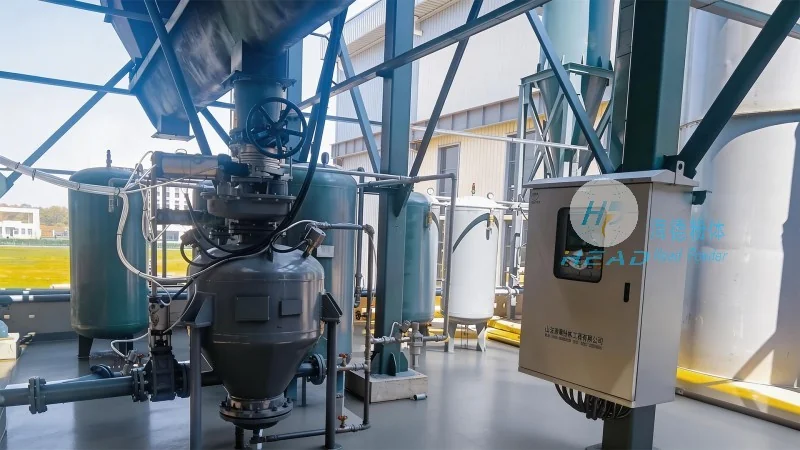
1. Feeding Hoppers: These are used to store and feed the buckwheat hull powder into the conveying system. They are designed to handle bulk materials and ensure a consistent flow rate, preventing overloading or underfeeding that could disrupt the process.
2. Pneumatic Conveyors: This is the core of the system, utilizing air pressure to transport the powder through a network of pipes. The choice of pneumatic conveyor type—such as positive or negative pressure systems—depends on the specific requirements of the application, including the powder's density, moisture content, and the desired conveying distance.
3. Elbows and Bends: These components are used to change the direction of the powder flow within the system. They are designed with smooth, non-stick surfaces to minimize friction and prevent material buildup, which could lead to blockages or product contamination.
4. Filters and Separators: To maintain the purity of the buckwheat hull powder, filters are often integrated into the system. These components remove any fine particles or contaminants from the air stream, ensuring that the conveyed powder remains free from impurities.
Material Flow Control and Air Management
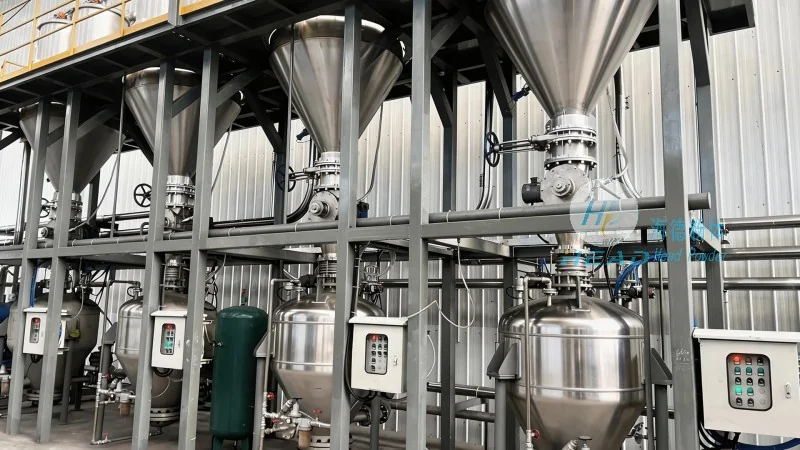
Effective buckwheat hull powder conveying also relies on precise control of material flow and air management. The system must maintain a consistent air-to-powder ratio to prevent overpressurization or underpressurization, which can affect the conveying efficiency and potentially damage equipment. Sensors and control systems are typically employed to monitor and adjust these parameters in real-time, ensuring optimal performance.
Advantages of Advanced Buckwheat Hull Powder Conveying Systems
Implementing a well-designed buckwheat hull powder conveying system offers several advantages for industrial applications. These include improved product quality through reduced handling-related damage, enhanced process efficiency by minimizing downtime and maintenance, and increased safety by eliminating manual handling of powders. Additionally, such systems can be integrated with other processing equipment, creating a seamless workflow that optimizes overall production.
Conclusion
Buckwheat hull powder conveying is a sophisticated process that requires careful consideration of design principles and equipment selection. By leveraging advanced technology and expertise, companies like Shandong HeadPowder Engineering Co., Ltd. provide reliable solutions that meet the specific needs of industries handling buckwheat hull powders. The combination of efficient material handling and quality control ensures that the final product remains consistent and meets the highest standards.




