When it comes to transporting alumina powder, selecting the appropriate pneumatic conveying method is crucial for efficiency, cost-effectiveness, and operational safety. Two primary approaches dominate the industry: positive pressure and negative pressure systems. Understanding the distinctions between these methods is essential for optimizing material handling processes in alumina production and processing facilities. As a leading provider of material handling solutions, Shandong HeadPowder Engineering Co., Ltd. (HeadPowder) specializes in designing and implementing customized pneumatic conveying systems tailored to the unique needs of alumina manufacturers.
Positive Pressure Pneumatic Conveying
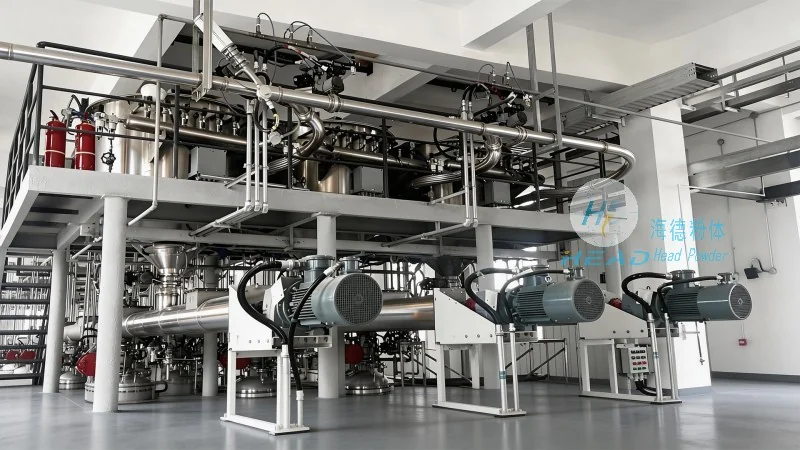
Positive pressure systems operate by generating air pressure within the conveying line, typically using a blower or compressor to force air and material through the system. This approach is widely used for alumina transportation due to its ability to handle high material loads and long distances. The positive pressure method ensures that the conveying line is under pressure, preventing external air from entering and contaminating the material. For alumina, which is often used in high-purity applications such as refractory materials and ceramics, maintaining material integrity is paramount. Positive pressure systems can effectively transport alumina over distances of several hundred meters, making them suitable for large-scale production facilities. HeadPowder’s expertise in positive pressure systems includes the design of robust blower units and sealed conveying lines, ensuring reliable operation for alumina processing plants.
Negative Pressure Pneumatic Conveying
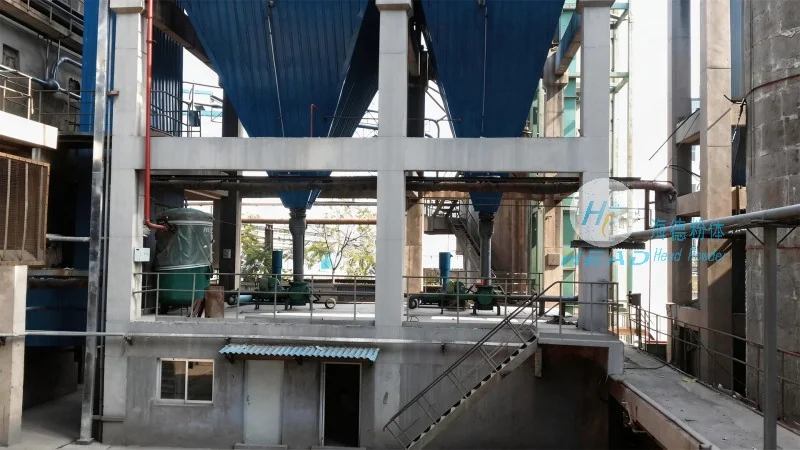
Negative pressure systems, also known as vacuum or suction systems, work by creating a lower pressure environment within the conveying line compared to the ambient air. A vacuum pump draws air and material from the source, moving it through the system to a collection point. This method is particularly advantageous for applications where dust control and material containment are critical. Negative pressure systems are often preferred for handling fine alumina powders that are prone to dispersion and contamination. The reduced pressure environment helps minimize dust emissions, making them suitable for indoor or enclosed processing environments. However, negative pressure systems may have limitations in terms of material load capacity and distance, as the vacuum pressure can drop over longer conveying lines. HeadPowder’s negative pressure solutions include advanced vacuum pumps and specialized collection vessels, tailored to the specific requirements of alumina processing facilities.
Distinguishing Between Positive and Negative Pressure Systems
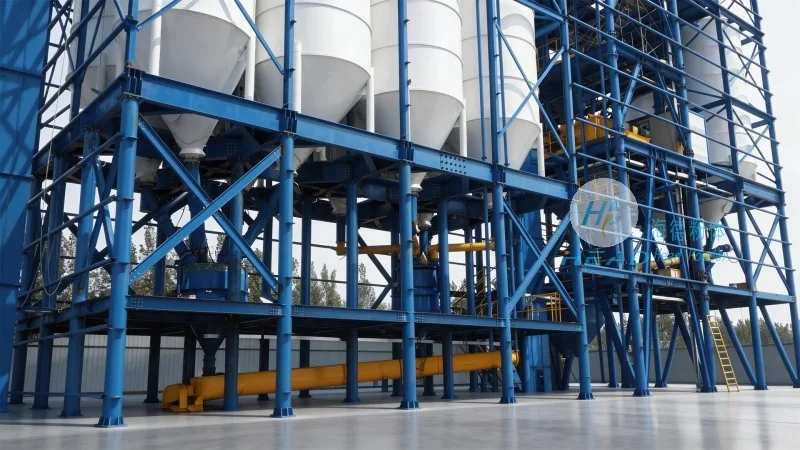
Several key factors differentiate positive and negative pressure pneumatic conveying systems for alumina. The primary distinction lies in the pressure differential across the conveying line. Positive pressure systems maintain a higher pressure than the surrounding environment, while negative pressure systems maintain a lower pressure. Another critical factor is the material handling capability. Positive pressure systems are generally more suitable for high-volume, high-density alumina transport, as they can handle larger particle sizes and higher flow rates. In contrast, negative pressure systems are better suited for fine powders and applications requiring strict dust control. The system design also varies, with positive pressure systems often featuring robust blower units and sealed conveying lines, whereas negative pressure systems rely on vacuum pumps and specialized collection vessels. Operational considerations, such as energy consumption and maintenance requirements, also differ between the two approaches. Positive pressure systems typically consume more energy due to the continuous operation of blowers, while negative pressure systems may require more frequent filter maintenance to prevent clogging from fine alumina particles. HeadPowder’s engineering team evaluates these factors to recommend the most efficient system for each alumina application.
Factors to Consider When Choosing a System
When selecting between positive and negative pressure pneumatic conveying for alumina, several factors must be evaluated. The first consideration is the material characteristics, including particle size, density, and moisture content. Coarser alumina particles may be better suited for positive pressure systems, as they are less likely to cause blockages in the conveying line. Fine powders, on the other hand, may require negative pressure systems to prevent dust dispersion. The distance and layout of the conveying system are also critical. Positive pressure systems are ideal for long-distance transport, while negative pressure systems may be limited to shorter distances due to pressure drop issues. The environmental requirements of the facility, such as indoor operations or dust control regulations, play a significant role in the decision. Positive pressure systems may require additional containment measures to prevent dust leakage, whereas negative pressure systems inherently provide better dust control. The available space and infrastructure for the system installation are additional considerations. Positive pressure systems may require larger blower units and more extensive piping, while negative pressure systems can be more compact, especially with vacuum pump designs. HeadPowder’s site surveys and engineering assessments help clients determine the optimal system based on these factors.
Applications in Alumina Processing
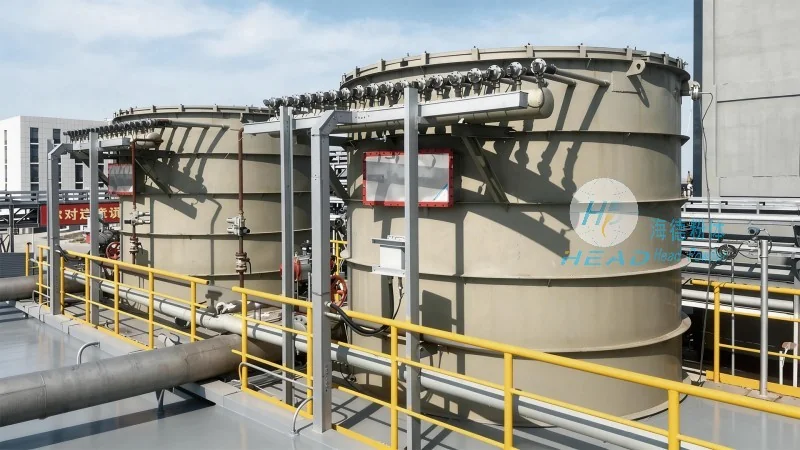
Both positive and negative pressure pneumatic conveying systems find applications in alumina processing. Positive pressure systems are commonly used in alumina production facilities for transporting raw materials from storage silos to processing equipment. They are also employed in the transportation of finished alumina products to packaging or storage areas. The high material capacity and long-distance capability of positive pressure systems make them suitable for large-scale industrial operations. Negative pressure systems are often used in applications where dust control is paramount, such as in alumina grinding and milling operations. The fine powders produced during these processes are efficiently handled by negative pressure systems, minimizing environmental impact and ensuring material purity. Additionally, negative pressure systems are utilized in laboratory settings for handling small quantities of alumina for research and development purposes. The ability to maintain a clean and controlled environment in these settings is crucial, and negative pressure systems provide the necessary containment. HeadPowder has successfully implemented both system types for clients in China, leveraging their expertise in local alumina processing requirements.




