When it comes to transporting sawdust via pneumatic systems, selecting the right pressure type—whether positive pressure or negative pressure—is crucial for efficiency, cost-effectiveness, and operational safety. This article from Shandong HeadPowder Engineering Co., Ltd., based in Shandong, China, explores the key differences between these two methods and provides practical guidance on how to make the right choice for your sawdust handling needs.
Understanding Pneumatic Conveying Systems
Pneumatic conveying systems use air or gas to transport bulk materials like sawdust through a pipeline. The primary distinction lies in the pressure differential between the conveying line and the surrounding environment. Positive pressure systems operate with higher pressure inside the pipeline than the ambient air, while negative pressure systems maintain lower pressure inside the line compared to the outside.
Positive Pressure Pneumatic Conveying
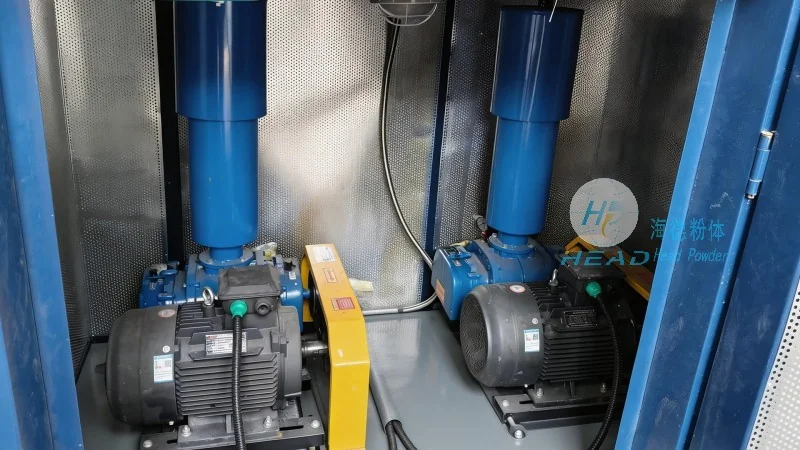
Positive pressure systems, also known as pressure conveying, force material through the pipeline using compressed air. This method is often preferred for long-distance or high-volume sawdust transport due to its ability to handle larger particle sizes and more abrasive materials. The system typically includes a blower or compressor at the inlet, which generates the necessary pressure to push the material forward. Key advantages include consistent flow rates, reduced risk of material degradation, and the ability to handle multiple transfer points without significant pressure loss.
Negative Pressure Pneumatic Conveying
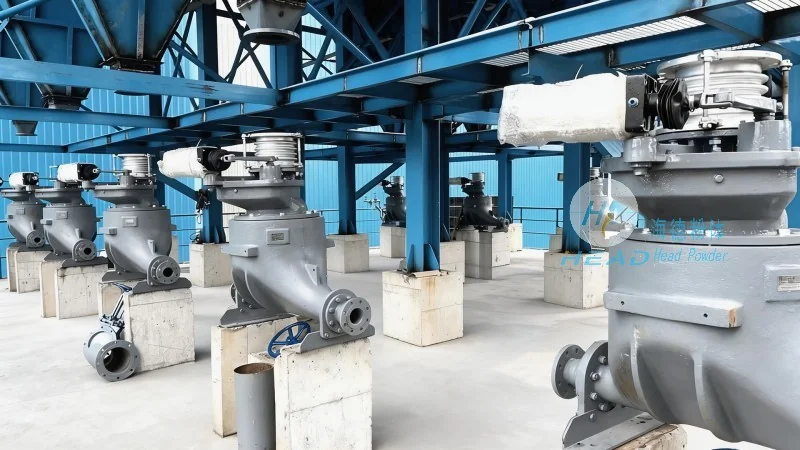
Negative pressure systems, or vacuum conveying, draw material into the pipeline using a vacuum pump. This approach is well-suited for short-distance or low-volume applications, particularly when dealing with fine or dusty sawdust that could be easily entrained by air. The vacuum pump creates a low-pressure zone inside the line, causing the material to be pulled along with the air flow. Advantages of negative pressure include lower energy consumption for short runs, reduced noise levels, and the ability to handle materials that are sensitive to high pressure or temperature.
Distinguishing Between the Two Systems
Choosing between positive and negative pressure depends on several factors, including the distance of the transfer, the volume of sawdust to be moved, the particle size and characteristics of the material, and the layout of the facility. Here are some practical guidelines to help differentiate:
1. Distance and Volume Requirements
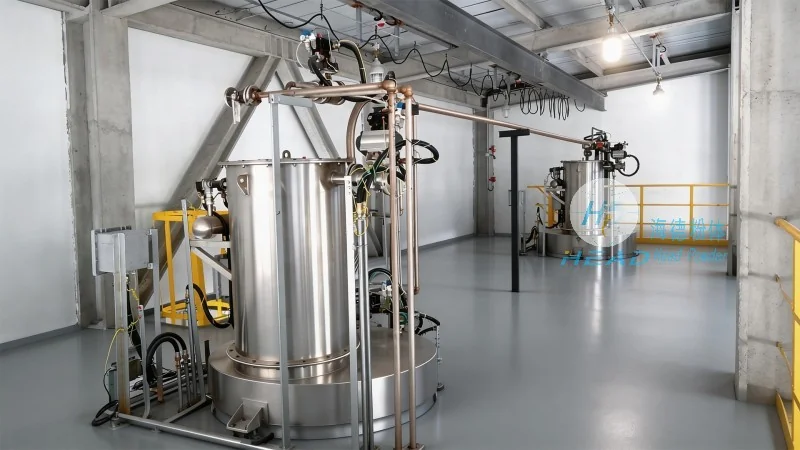
For long-distance or high-volume sawdust transport (typically over 100 meters or with throughput exceeding 10 tons per hour), positive pressure systems are generally more efficient. They can maintain consistent pressure and flow rates over extended distances without significant pressure drop. Negative pressure systems, on the other hand, are better suited for short-distance transfers (under 50 meters) or low-volume applications where energy efficiency is a priority.
2. Material Characteristics
The physical properties of sawdust, such as particle size, moisture content, and abrasiveness, also influence the choice. Positive pressure systems are ideal for handling coarse or abrasive sawdust, as the high pressure helps to prevent material buildup and ensures reliable transport. Negative pressure systems are more suitable for fine or dusty sawdust, as the vacuum helps to minimize dust dispersion and maintain air quality. Additionally, if the sawdust is sensitive to high pressure or temperature, negative pressure may be preferred to avoid degradation.
3. Facility Layout and Installation
The existing infrastructure and layout of the facility play a role in system selection. Positive pressure systems require a blower at the inlet and may need additional equipment like filters and silencers to manage noise and dust. Negative pressure systems typically use a vacuum pump at the outlet and may require more extensive ductwork to ensure proper air flow. The space available for equipment installation and the need for explosion-proof systems (common in sawdust handling due to fire hazards) also need to be considered.
4. Energy Consumption and Cost
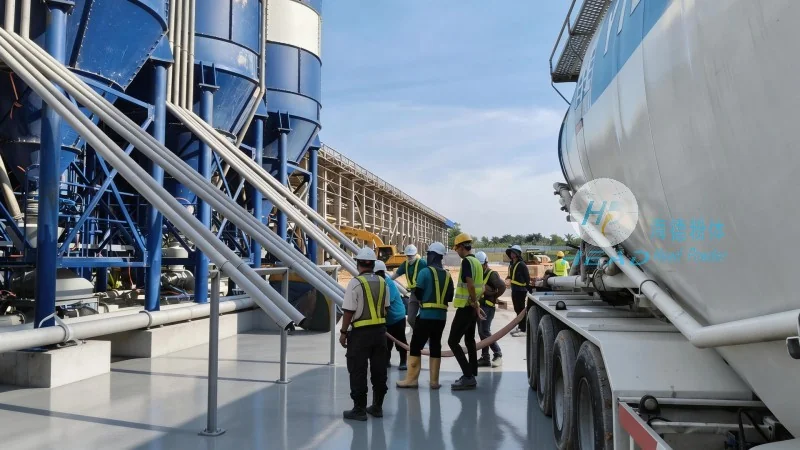
Energy efficiency is a critical factor in long-term operational costs. Positive pressure systems generally consume more energy due to the continuous operation of the blower, especially for high-volume applications. Negative pressure systems, while more energy-efficient for short runs, may have higher upfront costs for the vacuum pump and additional ductwork. The total cost of ownership, including equipment purchase, installation, and maintenance, should be evaluated when deciding between the two.
Conclusion
Both positive and negative pressure pneumatic conveying systems have their place in sawdust handling, and the choice depends on a combination of operational requirements, material characteristics, and facility constraints. By understanding the key differences and considering the factors outlined above, you can select the most appropriate system for your needs. Shandong HeadPowder Engineering Co., Ltd., with its expertise in pneumatic conveying solutions, can provide tailored advice and equipment to optimize your sawdust transport processes.




