High-pressure bin pumps are advanced material handling equipment designed to efficiently transport bulk materials over long distances with high pressure and reliability. This equipment is widely used in various industrial sectors, including mining, construction, and chemical processing, where the need for robust and efficient material transport is critical.
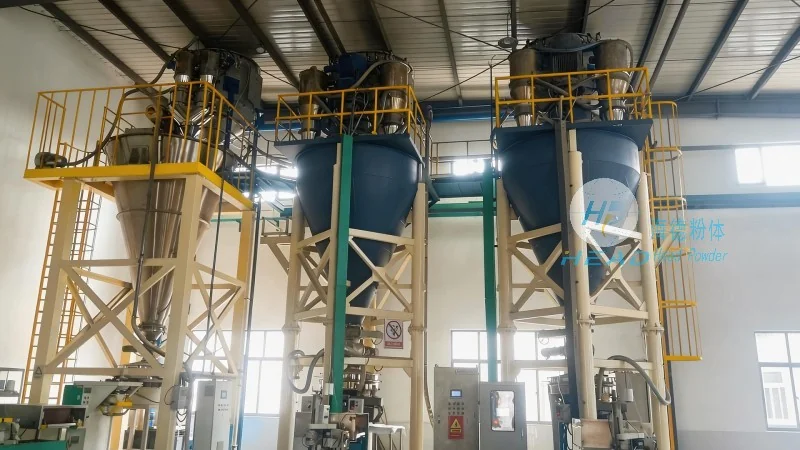
Introduction to High-Pressure Bin Pumps
High-pressure bin pumps, also known as pressure bin pumps or pneumatic conveying systems, operate on the principle of using compressed air or gas to create a pressure differential that propels bulk materials from a storage bin or hopper to a destination point. The system typically consists of a hopper, a pump unit, a pipeline network, and a receiver or discharge point. The core mechanism involves the creation of a high-pressure environment within the pump, which forces the material to move through the pipeline under pressure.
Working Principle of High-Pressure Bin Pumps
The working principle of high-pressure bin pumps is based on the pneumatic conveying of bulk solids. When the pump is activated, compressed air is introduced into the hopper, creating a pressure that overcomes the material's static pressure and friction within the hopper. This pressure forces the material to flow into the pump chamber. The pump then uses a series of valves and a high-pressure air supply to accelerate the material through the pipeline. The material is carried as a dense phase flow, which minimizes particle degradation and ensures efficient transport. The system can handle a wide range of materials, from fine powders to coarse granules, with varying moisture content and particle sizes.
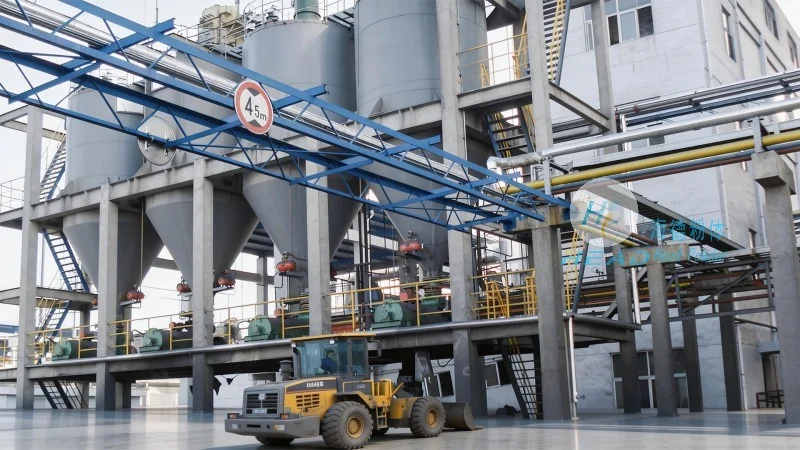
Key Components and Their Functions
Several key components work together to ensure the efficient operation of high-pressure bin pumps. The hopper or storage bin is where the bulk material is stored before being conveyed. It is designed to maintain a consistent material level and prevent clogging. The pump unit, which includes the main pump body, valves, and air supply system, is responsible for generating the high pressure needed to move the material. The pipeline network connects the hopper to the discharge point and is typically made of durable materials like stainless steel or PVC to withstand the high pressure and abrasive nature of the materials being transported. The receiver or discharge point is where the material is deposited, and it is often equipped with a dust collection system to control airborne particles.
Working Scene Characteristics and Applications
High-pressure bin pumps are particularly suited for applications where traditional conveying methods, such as belt conveyors or screw conveyors, are not feasible or efficient. Their working scene characteristics include the ability to transport materials over long distances, often up to several kilometers, with minimal maintenance. The equipment is also ideal for handling materials that are difficult to transport due to their properties, such as high abrasiveness, moisture content, or tendency to clog. Common applications include transporting coal, cement, minerals, and other bulk solids in mining and construction sites. In chemical processing plants, high-pressure bin pumps are used to move powders and granules between processing units, ensuring a continuous and controlled flow of materials.
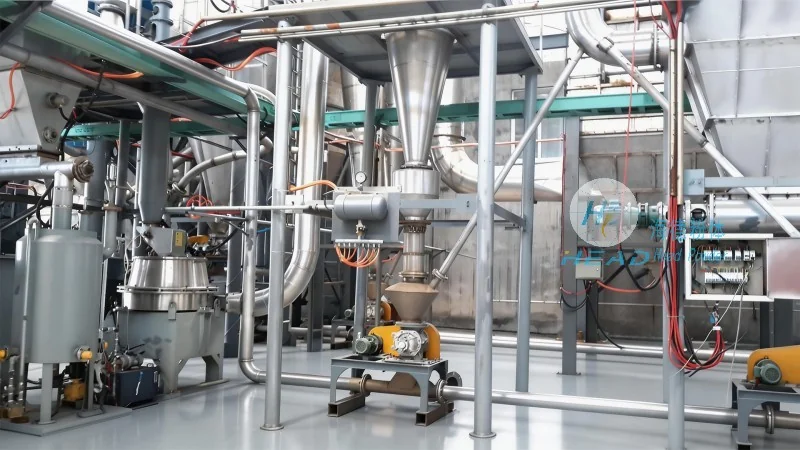
Advantages of High-Pressure Bin Pumps
High-pressure bin pumps offer several advantages over traditional material handling equipment. One of the primary benefits is their ability to transport materials over long distances with high efficiency and low energy consumption. The dense phase conveying method minimizes material degradation, which is crucial for sensitive materials like pharmaceuticals or food products. Additionally, the system is relatively simple in design, with fewer moving parts compared to other conveying systems, leading to lower maintenance costs and longer service life. The equipment is also highly flexible, allowing for easy reconfiguration of the pipeline network to accommodate changes in material flow or plant layout.
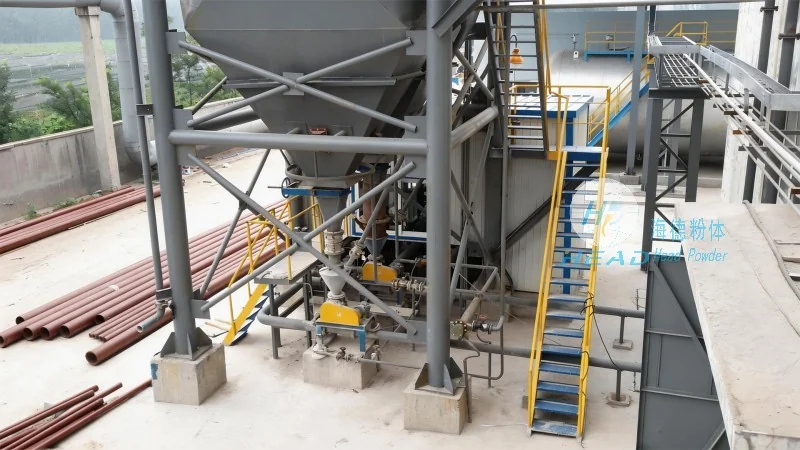
Operational Considerations and Maintenance
While high-pressure bin pumps are efficient, proper operation and maintenance are essential to ensure optimal performance. Operators must ensure that the hopper is properly filled and that the material flow is consistent to prevent clogging or airlock issues. Regular inspection of the pipeline and pump components is necessary to detect and address any wear or damage. The air supply system must be maintained at the correct pressure and temperature to avoid excessive energy consumption or material degradation. Additionally, the system should be equipped with safety features, such as pressure relief valves and dust collection systems, to prevent accidents and maintain a safe working environment.
Shandong HeadPowder Engineering Co., Ltd., a leading manufacturer of high-pressure bin pump material handling equipment, specializes in providing customized solutions for various industrial applications. With a focus on quality and reliability, the company offers a range of high-pressure bin pumps designed to meet the specific needs of different industries. The company's products are manufactured using advanced technology and high-quality materials, ensuring durability and long service life. HeadPowder Engineering is committed to providing efficient and cost-effective material handling solutions to its clients, helping them improve productivity and reduce operational costs.




