Aluminum nitride (AlN) is a widely used ceramic material in high-tech industries, known for its excellent thermal conductivity, electrical insulation properties, and chemical stability. When handling AlN powders or bulk materials, specialized equipment is essential to ensure safety, efficiency, and product integrity. This article explores the fundamental principles behind aluminum nitride material handling systems and highlights key working scene characteristics that define their operational effectiveness.
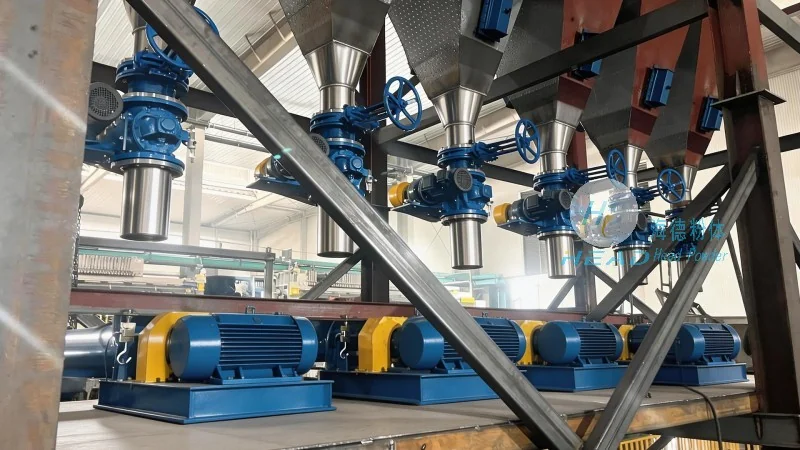
Core Principles of Aluminum Nitride Material Handling Equipment
The design of aluminum nitride material handling equipment is guided by several critical principles tailored to the unique properties of AlN. First, the equipment must minimize contamination and particle degradation during transport. AlN powders are sensitive to moisture and mechanical stress, which can alter their surface properties and affect downstream applications. Therefore, materials of construction such as stainless steel, PTFE, or specialized ceramics are often used to prevent chemical reactions and particle attrition. Second, the system must maintain consistent flow rates and prevent clogging, as AlN can agglomerate under certain conditions. This is achieved through the use of low-friction components, proper particle size distribution management, and controlled air or gas flow in pneumatic conveying systems. Third, safety considerations are paramount due to the potential for dust explosions in AlN handling environments. Equipment typically incorporates explosion-proof designs, dust collection systems, and automated shutdown mechanisms to mitigate risks. These principles collectively ensure that the material is handled in a manner that preserves its quality and protects personnel and the environment.
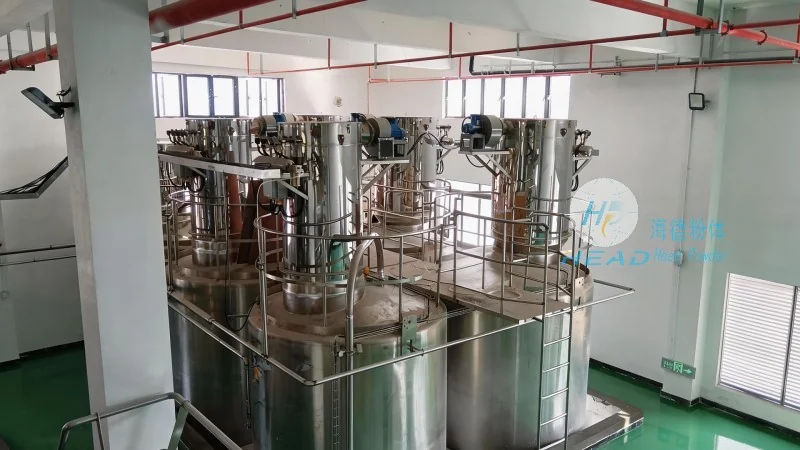
Working Scene Characteristics of Aluminum Nitride Material Handling Equipment
The operational characteristics of aluminum nitride material handling equipment vary significantly based on the specific application and environment. In industrial settings, such as powder processing plants or semiconductor manufacturing facilities, the equipment is often integrated into automated production lines. Key characteristics include high throughput capabilities, precise control over material flow, and compatibility with other processing equipment. For example, in a semiconductor fab, AlN is used as a substrate or filler material, and the handling system must deliver consistent particle size and purity to meet stringent quality standards. The working scene may involve continuous operation over long shifts, with minimal downtime for maintenance, as production efficiency is critical. In research and development laboratories, the equipment may be used for smaller-scale experiments, requiring flexibility in handling different AlN grades and particle sizes. This scenario emphasizes precision and adaptability over high throughput. Additionally, the working environment may include cleanroom conditions, necessitating equipment that is easy to clean and maintain without introducing contaminants. The characteristics of the working scene directly influence the design and performance of the material handling system, ensuring that it meets the specific demands of the application.
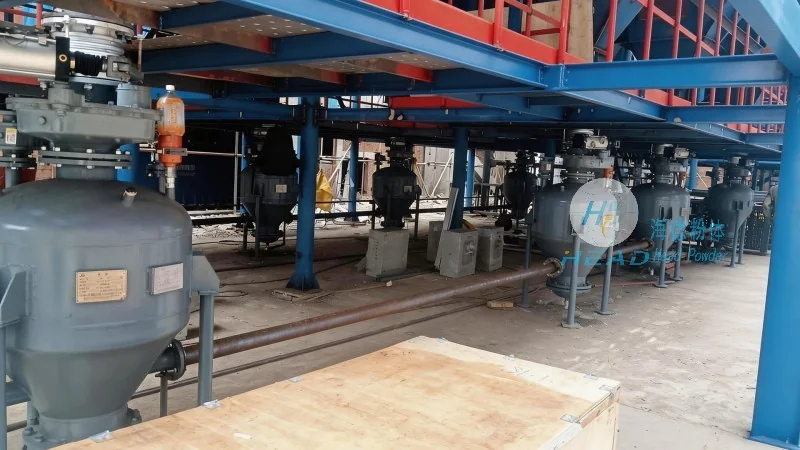
Key Components and Their Functions in Aluminum Nitride Material Handling Systems
Aluminum nitride material handling systems typically consist of several key components, each playing a vital role in the overall operation. The primary components include feeders, conveyors, storage silos, and dust collection systems. Feeders, such as rotary valves or vibratory feeders, are responsible for controlling the flow rate of AlN from storage to the conveyor system. These devices ensure a consistent and controlled release of material, preventing overfilling or underfilling that could lead to clogging or uneven flow. Conveyors, often pneumatic or mechanical, transport the AlN particles from the feeder to the processing equipment or storage areas. Pneumatic conveying systems use air or gas to move the material, which is particularly effective for fine powders like AlN, as it minimizes particle degradation and contamination. Mechanical conveyors, such as screw conveyors or belt conveyors, are used for bulk materials and provide a more direct and efficient transport method. Storage silos are used to hold large quantities of AlN, ensuring a steady supply to the system. These silos are designed with aeration systems to prevent caking and maintain material flow. Dust collection systems are essential for capturing AlN particles that may be released during handling, protecting the environment and personnel from exposure. These components work in concert to create a reliable and efficient material handling process for aluminum nitride.
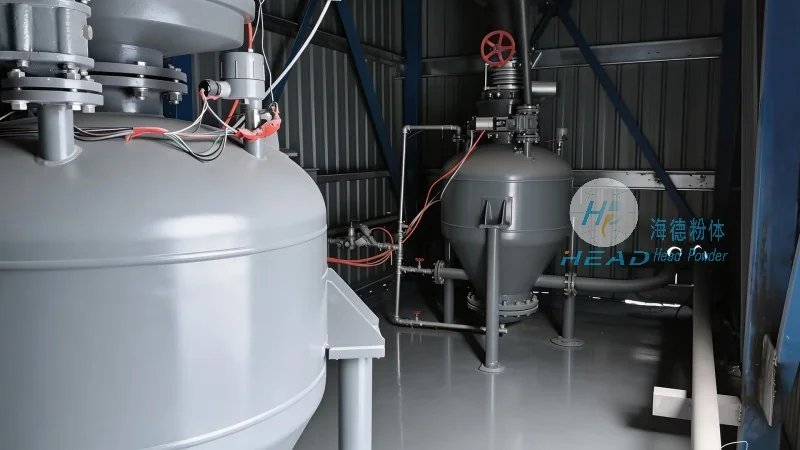
Applications and Performance Metrics in Aluminum Nitride Material Handling
The performance of aluminum nitride material handling equipment is evaluated based on several metrics that are critical to its effectiveness in various applications. Key performance indicators include throughput capacity, which measures the amount of material processed per unit time, and material purity, which ensures that the AlN remains free from contaminants. Throughput is influenced by the design of the feeder and conveyor system, as well as the particle size and density of the AlN. For example, a system designed for high-volume production may have a throughput of several tons per hour, while a laboratory system may handle only a few kilograms per hour. Material purity is assessed by analyzing the chemical composition and particle size distribution of the AlN after handling. Contamination from the equipment or environment can affect the performance of AlN in applications such as thermal management or electrical insulation. Other performance metrics include energy efficiency, which measures the power consumption of the system, and maintenance frequency, which indicates the durability and reliability of the components. These metrics are important for selecting the appropriate equipment for specific applications and ensuring optimal performance. In industrial settings, high energy efficiency and low maintenance requirements are often preferred to reduce operational costs and downtime. The performance of the material handling system directly impacts the overall efficiency and cost-effectiveness of the AlN processing operation.




