HeadPowder, a leading provider of industrial material handling solutions, is headquartered in Shandong, China. The company specializes in the design, manufacturing, and integration of equipment tailored for the efficient transport of dry bulk materials across various industries.
Principles of Dry Material Handling Equipment
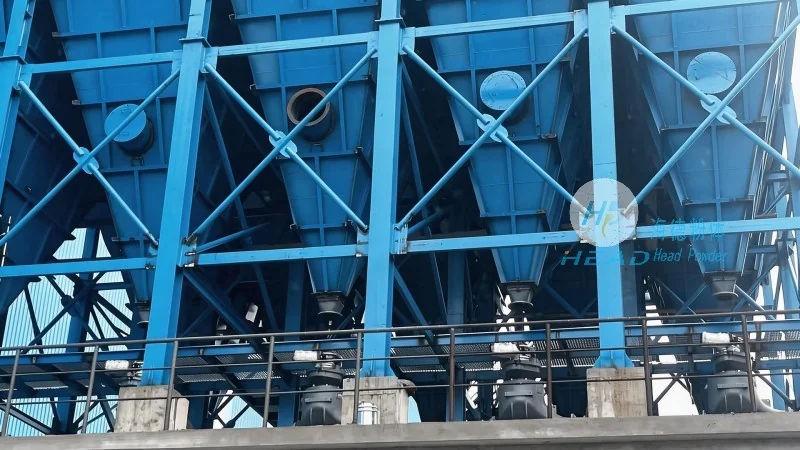
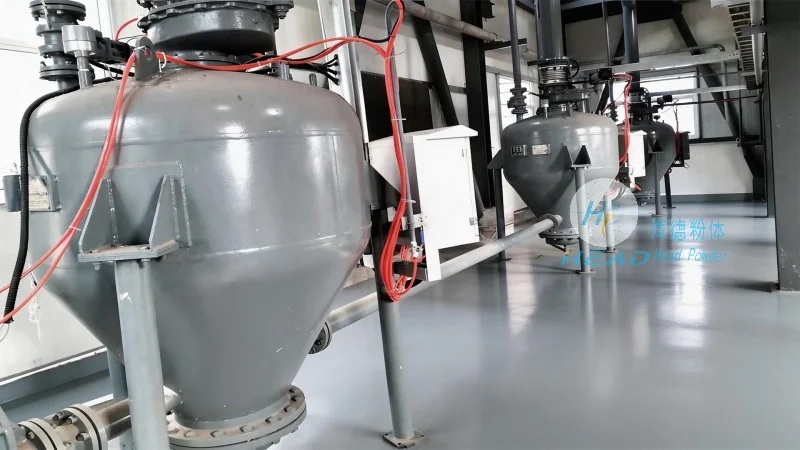
Dry material handling equipment operates on fundamental principles that address the unique challenges of moving powders, granules, and other dry bulk materials. These systems typically utilize mechanisms such as screw conveyors, belt conveyors, and pneumatic conveyors to ensure reliable and continuous material transport. The design of these devices takes into account the physical properties of dry materials, including their flowability, density, and particle size, to optimize performance and minimize operational issues like blockages or material degradation. Dry material handling equipment encompasses a variety of technologies, each suited to specific material characteristics and operational requirements. Screw conveyors, for example, use rotating screws to move materials along a trough, making them ideal for handling free-flowing powders and granules. Belt conveyors, on the other hand, utilize a continuous belt to transport materials horizontally or at an incline, providing high capacity and durability for heavy-duty applications. Pneumatic conveyors, which employ air pressure to move materials through a pipeline, are particularly effective for transporting fine powders and dusty materials, offering flexibility in layout and minimal maintenance.
Key Application Scenarios and Features
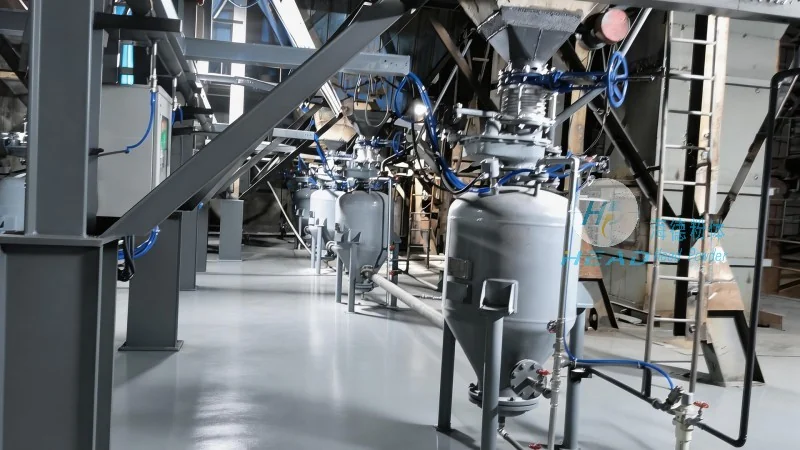
The versatility of dry material handling equipment makes it indispensable in a wide range of industrial settings. In the chemical industry, for instance, these systems are crucial for transporting raw materials and finished products, ensuring compliance with stringent safety and quality standards. The food and pharmaceutical sectors also rely heavily on such equipment, where hygiene, contamination control, and precise dosing are paramount. In manufacturing plants, dry material handling solutions streamline production lines by integrating seamlessly with existing processes, enhancing overall operational efficiency. In the chemical industry, dry material handling equipment is often used to transport raw materials such as powders, granules, and pellets. These systems help maintain consistent material flow rates, ensuring that production processes run smoothly and efficiently. For example, in a fertilizer plant, screw conveyors may be used to move raw materials from storage silos to processing units, while pneumatic conveyors transport finished products to packaging lines. The reliability of these systems is critical in such environments, as any downtime can lead to significant production losses.
Advantages in Operational Performance
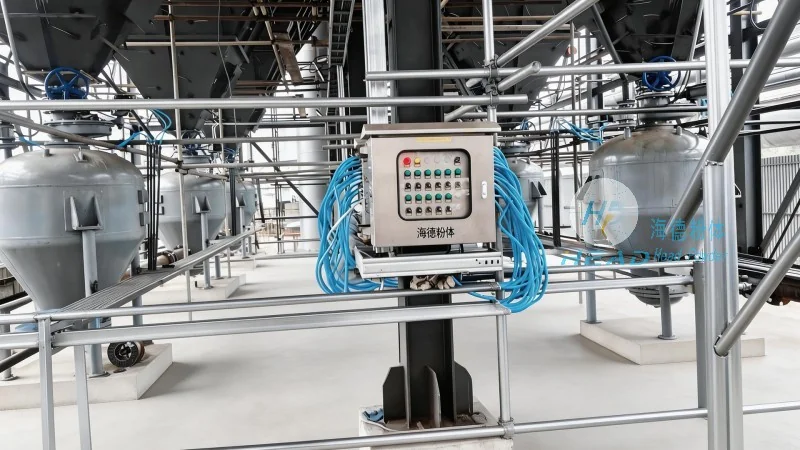
One of the primary advantages of dry material handling equipment is its ability to handle materials with minimal degradation. Unlike some liquid or semi-solid transport methods, these systems preserve the integrity of dry materials, which is critical for applications where material quality directly impacts product quality. Additionally, the modular design of many dry material handling solutions allows for easy customization and scalability, enabling businesses to adapt to changing production demands without significant capital investment. The energy efficiency of modern dry material handling equipment further contributes to cost savings and environmental sustainability, making it a preferred choice for forward-thinking industries. Another key advantage of dry material handling equipment is its adaptability to different operational environments. Many models are designed with explosion-proof features, making them suitable for hazardous areas where flammable materials are handled. This is particularly important in the petrochemical and mining industries, where safety is a top priority. Furthermore, the low maintenance requirements of modern dry material handling systems reduce operational costs and downtime, contributing to overall business profitability.




