Understanding the operational principles and typical application scenarios of glass fiber cellulose material handling systems is crucial for industries that rely on efficient and reliable material transport solutions. These systems are specifically designed to handle glass fiber and cellulose-based materials, which are widely used in various manufacturing processes, including construction, automotive, and industrial applications.
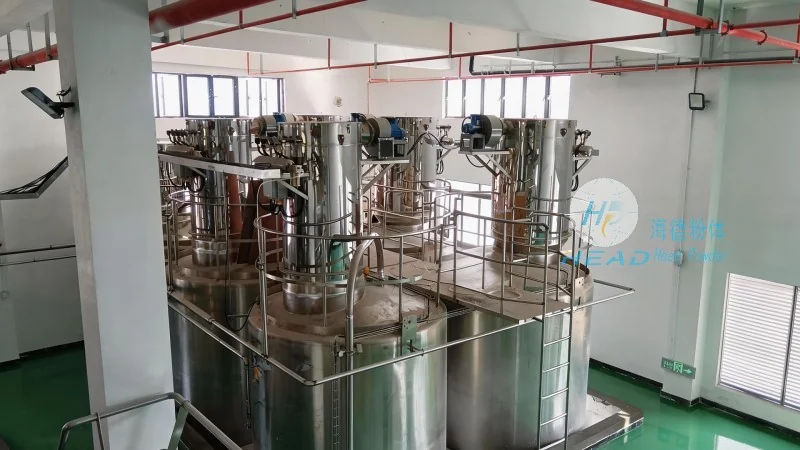
Core Principles of Glass Fiber Cellulose Material Handling Systems
At the heart of glass fiber cellulose material handling systems lies a sophisticated integration of mechanical components and control mechanisms. The primary principle revolves around the efficient conveyance of bulk materials through a network of conveyor belts, rollers, and sometimes pneumatic or hydraulic systems. The design emphasizes durability and low maintenance, as these materials can be abrasive and require robust equipment to prevent wear and tear. Key components typically include feed hoppers, which regulate the flow of material into the system, and variable speed drives that adjust the conveyor speed based on the material's characteristics and processing needs. Additionally, the systems often incorporate sensors and monitoring tools to ensure consistent performance and detect any anomalies in the material flow, such as blockages or uneven distribution.
Working Scene Characteristics and Applications
Glass fiber cellulose material handling systems are deployed in diverse industrial environments, each with unique requirements that shape their operational characteristics. In construction material production, for instance, these systems are used to transport raw materials like glass fiber and cellulose fibers to production lines, where they are processed into insulation materials or composite products. The working scene in this sector demands high throughput and reliability, as delays can disrupt the entire manufacturing schedule. The systems are often integrated with batching and mixing equipment, ensuring that the materials are delivered in precise quantities for consistent product quality.
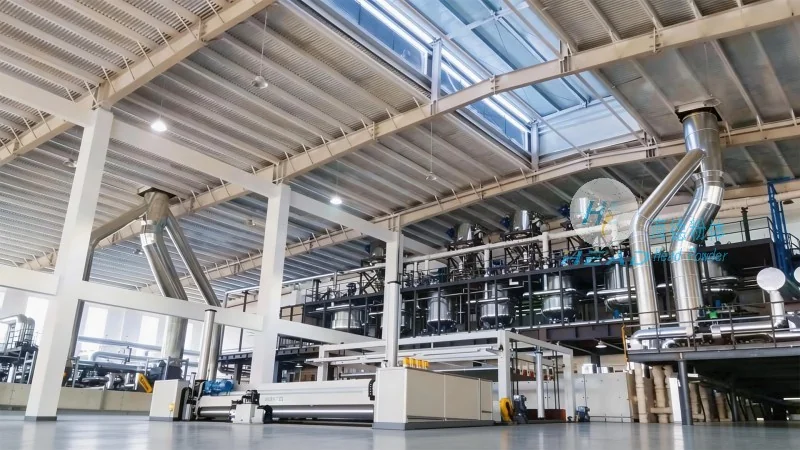
In the automotive industry, glass fiber cellulose material handling systems play a critical role in the production of vehicle components, such as body panels and interior parts. The working environment here is characterized by strict quality control standards and the need for clean, uniform material delivery. The systems are designed to minimize dust generation and maintain a controlled environment, which is essential for preventing contamination of sensitive parts. Moreover, the systems may be part of larger automated production lines, where material handling is synchronized with other processes like molding and assembly.
System Design and Customization for Specific Needs
HeadPowder, a leading engineering company based in Shandong, China, specializes in the design and manufacturing of customized glass fiber cellulose material handling systems. The company's approach focuses on understanding the unique challenges of each client's operation and tailoring solutions to meet their specific requirements. For example, in applications involving high-volume production, the systems may incorporate multiple conveyor lines and automated feeding mechanisms to enhance efficiency. In contrast, for smaller-scale operations, the design might prioritize simplicity and cost-effectiveness while maintaining the necessary performance standards.
The company's engineering team leverages advanced technology and years of industry experience to develop systems that are both efficient and durable. They consider factors such as material properties, processing capacity, and environmental conditions when designing each system. This customized approach ensures that the final product not only meets but often exceeds the client's expectations, providing long-term value and reliability.
Key Features and Benefits
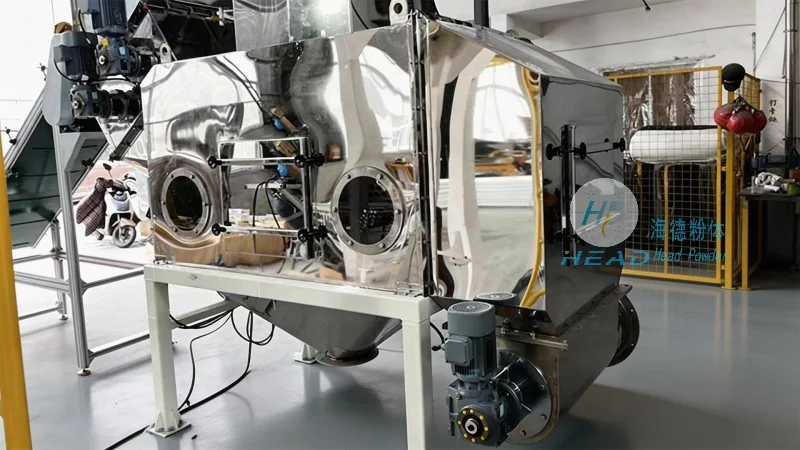
Glass fiber cellulose material handling systems from HeadPowder are equipped with several features that enhance their performance and usability. One of the primary benefits is the ability to handle abrasive materials without significant equipment degradation, thanks to the use of high-quality, wear-resistant components. The systems also offer flexibility in terms of material handling, as they can be adapted to transport various forms of glass fiber and cellulose, including powders, flakes, and fibers. This versatility makes them suitable for a wide range of applications across different industries.
Another key feature is the integration of advanced control systems, which allow for real-time monitoring and adjustment of the material flow. This not only improves operational efficiency but also reduces downtime by enabling quick detection and resolution of issues. The systems are also designed with safety in mind, incorporating protective guards and emergency stop mechanisms to ensure the well-being of operators. These features, combined with the company's commitment to quality and customer service, make HeadPowder's material handling systems a preferred choice for many businesses.




