For industries dealing with refractory materials, the selection of an appropriate pneumatic conveying system is crucial for efficient material handling, process reliability, and operational safety. Pneumatic conveying systems utilize air or gas to transport bulk materials, and among the two primary modes—positive pressure and negative pressure—each offers distinct advantages and considerations. This technical analysis explores the key differences between these two modes, focusing on their applications, performance characteristics, and suitability for refractory material handling. Shandong HeadPowder Engineering Co., Ltd., a leading provider of industrial material handling solutions, specializes in designing and implementing advanced pneumatic conveying systems tailored to the unique requirements of refractory material processing.
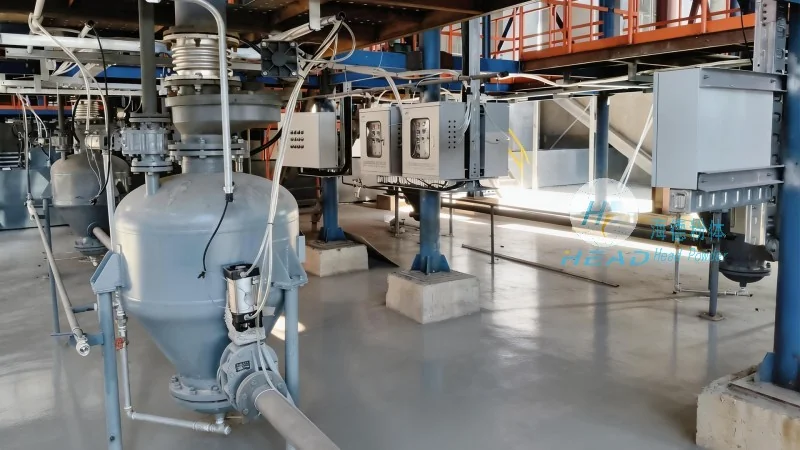
Overview of Pneumatic Conveying Systems for Refractory Materials
Pneumatic conveying systems are widely used in the refractory industry to transport materials such as raw ores, clays, and finished products from storage to processing equipment. The choice between positive pressure and negative pressure systems depends on factors like material properties, distance, and system complexity. Both modes aim to achieve efficient, dust-free material transport, but their operational principles and design requirements differ significantly.
Positive Pressure Pneumatic Conveying System
Positive pressure systems operate by blowing air or gas into the conveying line, creating a pressure higher than the ambient air. This mode is particularly effective for transporting materials over long distances or through complex piping networks. The system typically includes a blower or compressor at the inlet, which generates the necessary pressure to move the material. One of the key advantages of positive pressure systems is their ability to handle abrasive or heavy materials without excessive wear on the equipment. Additionally, they can be designed to handle multiple material streams simultaneously, making them suitable for large-scale production facilities.
In terms of performance, positive pressure systems generally offer higher conveying velocities and can handle larger particle sizes compared to negative pressure systems. However, they require more robust equipment, such as high-pressure blowers, and may generate more noise and air pollution if not properly managed. The system also needs to be sealed to prevent dust leakage, which is critical for maintaining environmental compliance and worker safety.
Negative Pressure Pneumatic Conveying System
Negative pressure systems, also known as vacuum conveying systems, operate by creating a vacuum at the inlet, drawing material into the line. This mode is often preferred for shorter conveying distances or when the material needs to be transported from a higher elevation to a lower one. The system typically uses a vacuum pump at the receiving end to create the suction force, and the material is drawn through the pipe by the pressure difference between the inlet and the outlet.
One of the main benefits of negative pressure systems is their lower operational noise and reduced air pollution compared to positive pressure systems. They are also more energy-efficient for short-distance conveying, as the vacuum pump only needs to overcome the resistance of the material and pipe. However, negative pressure systems are less effective for handling abrasive or high-density materials over long distances, as the vacuum can lead to material degradation or blockages. The system also requires careful design to prevent dust ingress, as any leakage can compromise the vacuum and reduce conveying efficiency.
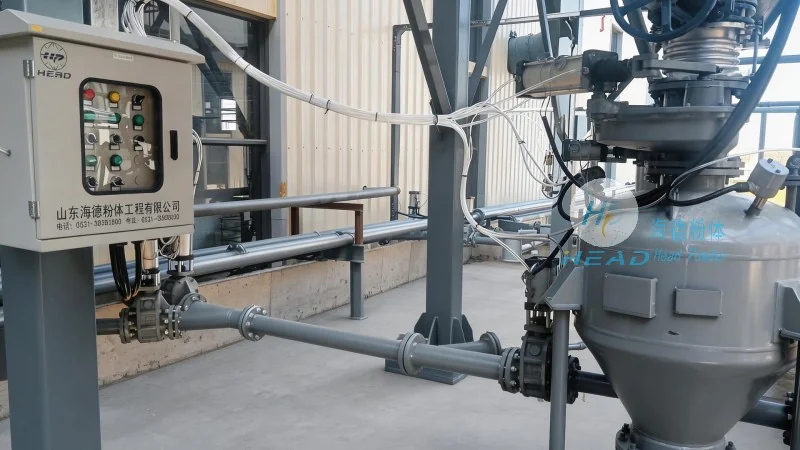
Comparison of Positive Pressure vs. Negative Pressure Conveying Modes
When comparing the two modes, several factors must be considered to determine the most suitable system for a specific application. The primary differences lie in operational pressure, material handling capabilities, energy consumption, and environmental impact.
Operational pressure is the most significant distinction: positive pressure systems operate at pressures above atmospheric, while negative pressure systems operate at pressures below atmospheric. This affects the equipment required, with positive pressure systems needing high-pressure blowers and negative pressure systems requiring vacuum pumps. Material properties also play a role, as positive pressure systems are better suited for abrasive or heavy materials, whereas negative pressure systems are more appropriate for lighter, less abrasive materials.
Conveying distance is another critical factor. Positive pressure systems are generally more effective for long-distance transport, as they can maintain sufficient pressure to move material over extended lengths. Negative pressure systems are limited to shorter distances due to the loss of vacuum over longer pipes. Energy consumption is lower for negative pressure systems in short-distance applications, but higher for positive pressure systems due to the need for continuous high-pressure air supply.
Environmental considerations are also important. Positive pressure systems may generate more noise and air emissions if not equipped with proper filtration and exhaust systems. Negative pressure systems, while quieter, can still release dust if the system is not properly sealed. Both modes require dust collection systems to comply with environmental regulations, but the design of these systems differs based on the operational pressure.
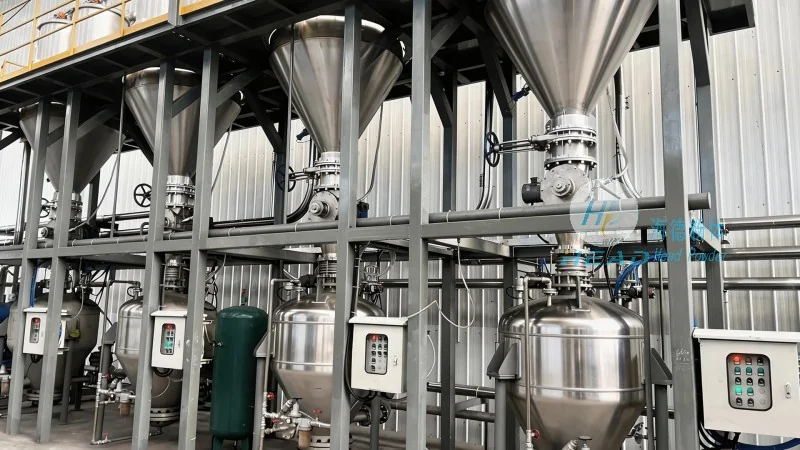
Application Considerations for Refractory Materials
For refractory material handling, the choice between positive and negative pressure systems depends on the specific process requirements. For example, in a large-scale refractory plant where raw materials are transported from a storage silo to a mixing plant over a distance of several hundred meters, a positive pressure system may be more suitable due to its ability to handle long distances and abrasive materials. Conversely, if the material is being transferred from a lower elevation to a higher one in a smaller facility, a negative pressure system might be more appropriate due to its lower energy consumption and reduced noise.
Material characteristics, such as particle size, density, and moisture content, also influence the system choice. Positive pressure systems can handle larger particle sizes and higher material loads, making them ideal for transporting raw ores or clays. Negative pressure systems are better for fine powders or materials with low bulk density, as the vacuum can effectively draw these materials without causing blockages.
System Design and Maintenance for Refractory Pneumatic Conveying
Regardless of the chosen mode, proper system design and maintenance are essential for optimal performance and longevity. Positive pressure systems require regular inspection of the blower and piping to prevent wear and tear from abrasive materials. The system also needs to be equipped with dust filters and exhaust systems to minimize air pollution and ensure compliance with environmental regulations.
Negative pressure systems, on the other hand, require careful attention to the vacuum pump and inlet seals to maintain the vacuum level. Any leakage can reduce conveying efficiency and increase energy consumption. Regular cleaning of the filter and pipe to prevent dust accumulation is also crucial for maintaining system performance.
Both systems benefit from the use of wear-resistant materials in the piping and components, as refractory materials can be highly abrasive. Additionally, the system should be designed with proper access points for maintenance and inspection, ensuring that any issues can be addressed promptly to minimize downtime.




