HeadPowder, a leading engineering firm based in Shandong, China, specializes in the design and implementation of advanced pneumatic conveying systems for solid powder materials. These systems are critical in various industrial applications, enabling efficient and reliable material transport without the need for mechanical components like conveyors or elevators. The core technology involves transporting bulk materials through a pipeline using a gas stream, typically air, which can operate under different pressure conditions—positive pressure or negative pressure. Understanding the nuances of these two modes is essential for selecting the most suitable system for specific operational requirements.
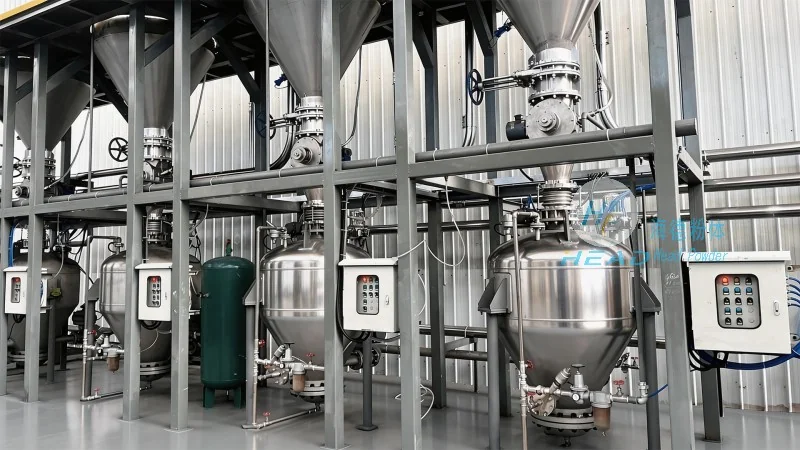
Positive Pressure Conveying Mode: Advantages and Applications
Positive pressure conveying systems operate by forcing air and the material through the pipeline. This approach is often preferred for long-distance or high-capacity transport, as it can handle more material with less pressure drop. The primary advantages include the ability to handle abrasive or corrosive materials without excessive wear on components, and the system's suitability for transporting materials over significant vertical or horizontal distances. In industrial settings, such as chemical processing, food processing, and pharmaceutical manufacturing, positive pressure systems are commonly used to transport powders like flour, cement, and plastic resins. The pressurized environment also helps maintain material integrity, preventing segregation or degradation that might occur in other conveying methods.
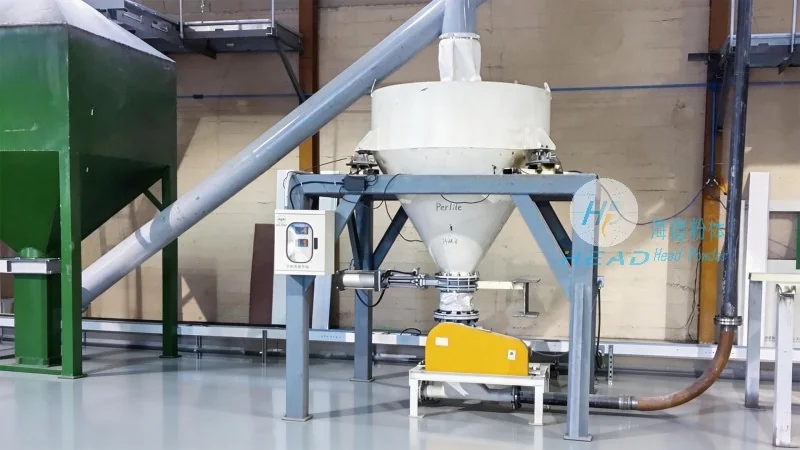
Negative Pressure (Vacuum) Conveying Mode: Characteristics and Use Cases
Negative pressure conveying, or vacuum systems, work by creating a vacuum at the receiving end of the pipeline, drawing material from the source into the system. This mode is typically used for shorter distances and for materials that are sensitive to pressure or require a cleaner environment. The key benefits include lower energy consumption for shorter runs, as the vacuum creates a gentle pull rather than a forceful push. Vacuum systems are ideal for applications where the material must be kept in a controlled atmosphere, such as in food processing or pharmaceuticals, where contamination control is paramount. However, they may have limitations in handling highly abrasive or sticky materials, as the suction process can lead to increased wear on the suction side components and potential blockages if the material is too dense.
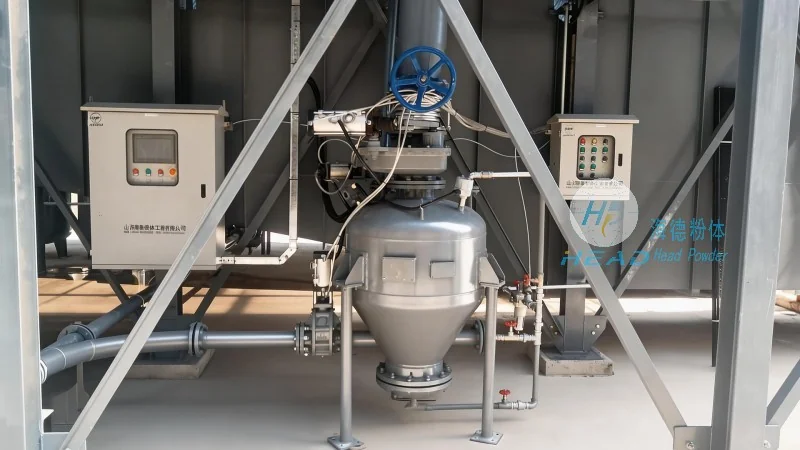
Comparison: Positive Pressure vs. Negative Pressure Conveying
When deciding between positive pressure and negative pressure conveying systems, several factors must be considered. The distance and volume of material to be transported are primary determinants. For long-distance or high-volume transport, positive pressure is generally more efficient due to its ability to maintain consistent flow rates and handle larger quantities with less pressure loss. Conversely, negative pressure is preferable for shorter distances, where energy efficiency is a key concern, and for materials that require a sterile or low-pressure environment. Cost is another critical factor; positive pressure systems may require more robust components and higher initial investment, while negative pressure systems can be less expensive but may need more frequent maintenance due to the wear on suction components. Additionally, the material properties play a significant role. Abrasive or corrosive materials are better suited for positive pressure systems, as the pressurized flow reduces the risk of material buildup and component degradation. In contrast, delicate or sensitive materials, such as pharmaceutical powders or food products, are often transported using negative pressure to minimize contamination and maintain product quality.
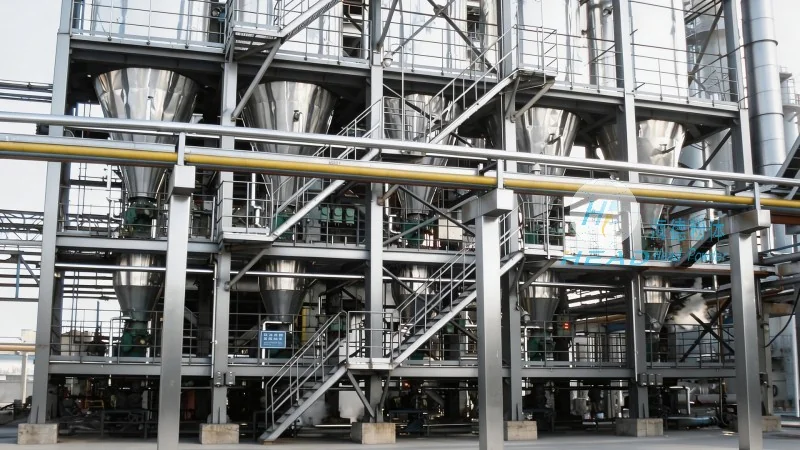
Conclusion: Selecting the Right Pneumatic Conveying System
Choosing between positive pressure and negative pressure pneumatic conveying systems requires a thorough evaluation of operational needs, material characteristics, and cost considerations. HeadPowder, with its expertise in engineering and system design, provides tailored solutions that optimize performance and efficiency. By understanding the distinct advantages and limitations of each mode, industries can select the most appropriate system to ensure reliable material transport, maintain product quality, and enhance overall operational productivity. Whether for long-distance bulk transport or short-distance, sensitive material handling, the right pneumatic conveying system can significantly improve process efficiency and reduce maintenance costs.




