For industrial applications involving the handling of dry soybeans, the selection of an appropriate pneumatic conveying system is critical to ensure efficiency, reliability, and cost-effectiveness. This technical analysis delves into the core principles of pneumatic conveying, focusing on the two primary modes—positive pressure and negative pressure—and evaluates their suitability for dry soybean processing. The discussion is anchored by insights from Shandong HeadPowder Engineering Co., Ltd., a leading provider in the field, whose expertise informs the technical considerations and practical recommendations presented herein.
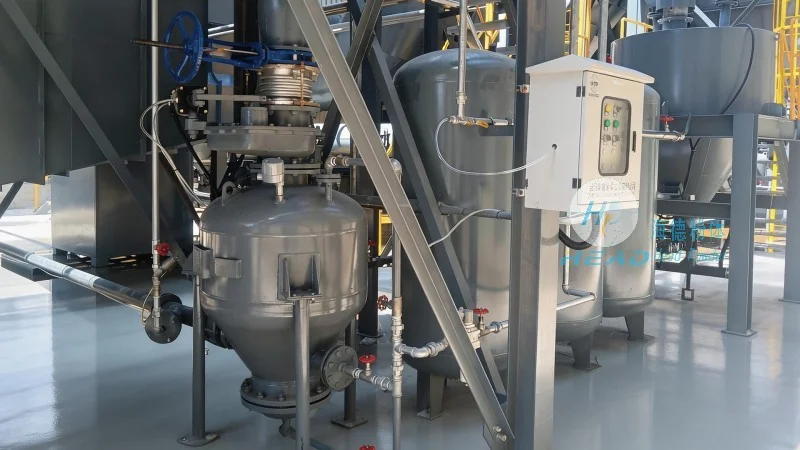
Company Overview: Shandong HeadPowder Engineering Co., Ltd.
Shandong HeadPowder Engineering Co., Ltd. is a reputable enterprise based in Shandong, China, specializing in the design, manufacturing, and installation of pneumatic conveying systems tailored for bulk material handling. With a strong commitment to engineering excellence and customer-centric solutions, the company has built a solid reputation for delivering robust and efficient systems that meet the demanding requirements of the agricultural and food processing industries. HeadPowder’s expertise spans various conveying technologies, including positive and negative pressure systems, and their applications in handling dry soybeans and other similar bulk materials.
Technical Analysis of Pneumatic Conveying Modes for Dry Soybeans
Pneumatic conveying systems operate by transporting dry soybeans through a pipeline using air or gas as the conveying medium. The two main modes—positive pressure and negative pressure—differ fundamentally in how they generate the necessary pressure differential to move the material. Positive pressure systems force air into the conveying line, while negative pressure systems create a vacuum by drawing air out of the line. Each mode has distinct advantages and limitations that must be carefully evaluated based on the specific characteristics of the soybean and the operational requirements of the processing facility.
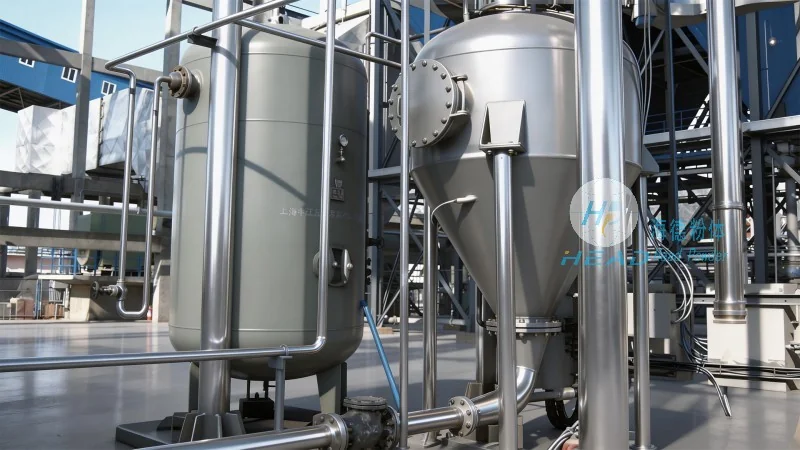
Positive Pressure Conveying Mode
Positive pressure conveying, also known as pressure pneumatic conveying, involves blowing air into the conveying line at a pressure higher than the ambient air pressure. This method is particularly effective for conveying dry soybeans over moderate to long distances, as it can maintain consistent flow rates and handle materials with higher moisture content or larger particle sizes. The system typically consists of a blower, a hopper, and a series of pipelines, with the air being supplied continuously to push the soybeans forward. One of the key advantages of positive pressure systems is their ability to handle abrasive or corrosive materials, as the high-pressure air can effectively transport the material without causing excessive wear on the equipment. Additionally, positive pressure systems are generally more suitable for applications where the conveying line needs to be sealed to prevent dust emissions, as the pressurized air helps maintain a controlled environment.
Negative Pressure Conveying Mode
Negative pressure conveying, or vacuum pneumatic conveying, operates by creating a vacuum in the conveying line, which draws the soybeans and air mixture into the system. This mode is often preferred for short to medium-distance conveying, as the vacuum pressure is typically lower than that of positive pressure systems, making it more energy-efficient for shorter runs. The system includes a vacuum pump, a hopper, and a pipeline, with the vacuum pump creating the necessary suction to pull the material. A key advantage of negative pressure systems is their ability to handle materials that are sensitive to high pressure or temperature, as the lower pressure environment reduces the risk of material degradation. However, negative pressure systems are generally less effective for conveying materials with high moisture content or large particle sizes, as the vacuum may not be sufficient to maintain consistent flow rates. Additionally, negative pressure systems are more prone to dust emissions, as the suction can draw air and particles from the environment, requiring additional filtration and sealing measures to comply with environmental regulations.
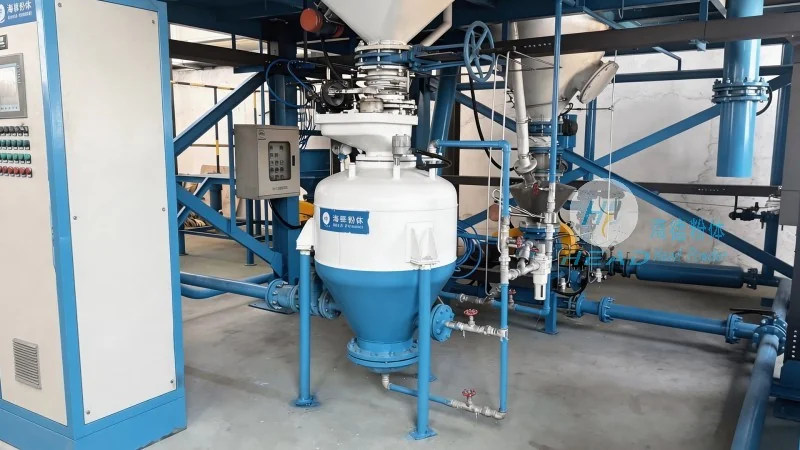
Comparison of Positive and Negative Pressure Modes for Dry Soybeans
When comparing the positive and negative pressure modes for dry soybean conveying, several factors must be considered to determine the most suitable option. The primary considerations include conveying distance, material characteristics, energy efficiency, and environmental impact. Positive pressure systems are generally more suitable for longer distances and materials with higher moisture content or larger particle sizes, as they can maintain consistent flow rates and handle abrasive materials effectively. However, they require higher energy input due to the need to maintain a higher pressure, which can increase operational costs. Negative pressure systems, on the other hand, are more energy-efficient for shorter distances and materials that are sensitive to high pressure or temperature, as they operate at lower pressures and consume less energy. However, they are less effective for longer distances and materials with high moisture content, as the vacuum may not be sufficient to maintain consistent flow rates. Additionally, negative pressure systems are more prone to dust emissions, which can require additional filtration and sealing measures.
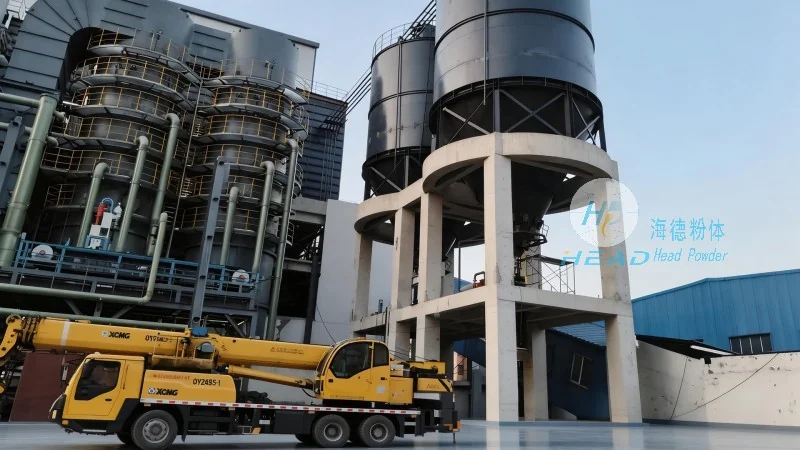
Key Technical Considerations in Dry Soybean Pneumatic Conveying
Regardless of the chosen conveying mode, several technical considerations are critical to ensure the efficiency and reliability of the system. These include the selection of appropriate air velocity, which must be high enough to prevent material settling but low enough to avoid excessive wear on the equipment. The air-to-material ratio is another important factor, as it affects the conveying efficiency and energy consumption. The system design must also account for the soybean's particle size distribution, moisture content, and bulk density, as these characteristics influence the flow behavior and conveying performance. Additionally, the pipeline layout and the presence of bends, valves, and filters must be carefully designed to minimize pressure losses and maintain consistent flow rates. Proper maintenance and monitoring of the system components, such as the blower or vacuum pump, are also essential to ensure long-term performance and prevent downtime.
Conclusion and Application Recommendations
In conclusion, the selection of a pneumatic conveying system for dry soybeans depends on a careful evaluation of the operational requirements, material characteristics, and technical constraints. Positive pressure systems are generally more suitable for longer distances and materials with higher moisture content or larger particle sizes, while negative pressure systems are preferred for shorter distances and materials that are sensitive to high pressure or temperature. The choice of system should also consider energy efficiency, environmental impact, and maintenance requirements. Shandong HeadPowder Engineering Co., Ltd. offers expert guidance and customized solutions to help clients select and implement the most appropriate pneumatic conveying system for their dry soybean processing needs. By leveraging their technical expertise and industry experience, HeadPowder ensures that the selected system meets the specific requirements of the application, delivering reliable and efficient performance while minimizing operational costs.




