For industrial applications involving the handling of caustic soda (lye) materials, efficient and reliable material transport is crucial. Pneumatic conveying systems have emerged as a preferred solution due to their ability to handle abrasive and corrosive substances like lye while maintaining operational safety and environmental compliance. This article explores the working principle and key features of lye material pneumatic conveying equipment, highlighting how these systems enhance process efficiency and operational safety in industrial settings.
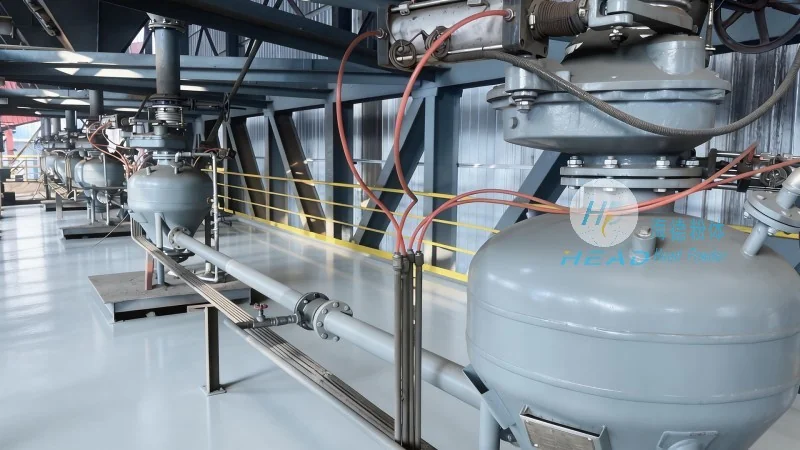
Understanding the Working Principle of Lye Material Pneumatic Conveying Equipment
The core of lye material pneumatic conveying systems lies in the use of air or gas to transport solid materials through a pipeline. The process typically involves several key components, including a material feeder, a conveying line, a separator, and a dust collector. The working principle can be broken down into the following stages:
1. Material Feeding: The lye material is fed into the system via a hopper or a rotary valve. This ensures a consistent and controlled flow of material into the conveying line, preventing blockages and maintaining system efficiency.
2. Air Injection and Conveying: Compressed air is introduced into the conveying line, creating a flow that propels the lye particles through the pipeline. The velocity of the air is critical; it must be sufficient to overcome the gravitational forces and frictional resistance of the material, ensuring smooth transport.
3. Separation and Collection: At the receiving end, the conveying system separates the material from the air. This is often achieved through a cyclone separator or a bag filter, which captures the lye particles while allowing the air to be discharged or recirculated. The collected material is then discharged into a storage bin or processing unit.
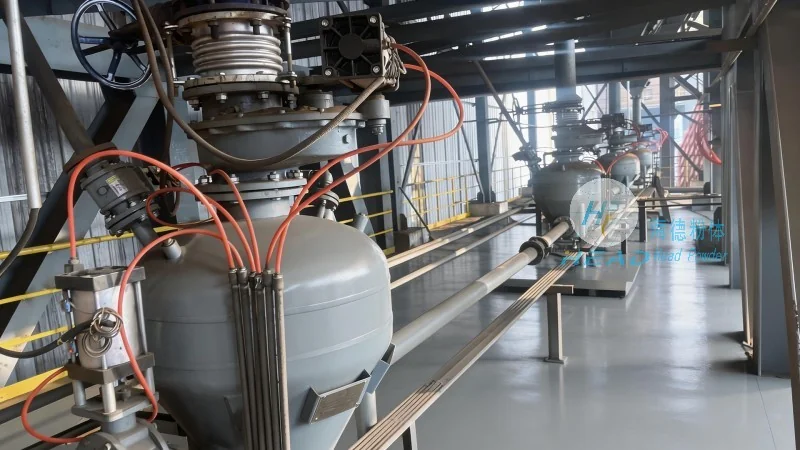
4. Control and Monitoring: Modern lye material pneumatic conveying systems are equipped with advanced control systems that monitor pressure, flow rate, and material level. This allows for real-time adjustments to maintain optimal performance and prevent system failures.
Key Features of Lye Material Pneumatic Conveying Equipment
When selecting a pneumatic conveying system for lye material handling, several features are essential to ensure durability, efficiency, and safety. These features are designed to address the unique challenges posed by caustic soda, such as its corrosive nature and abrasive properties.
1. Corrosion-Resistant Materials: The equipment is constructed using materials that can withstand the chemical and thermal stresses of lye. Common materials include stainless steel (e.g., 316L) and specialized alloys that resist corrosion from caustic solutions. This ensures long-term reliability and reduces maintenance costs.
2. High-Pressure Air Handling: The system is engineered to handle high-pressure air, which is necessary for efficient lye transport. This includes robust air compressors and pressure vessels that maintain consistent air pressure, ensuring smooth material movement without interruptions.
3. Advanced Filtration Systems: To comply with environmental regulations and maintain air quality, the conveying system incorporates high-efficiency dust collectors. These systems capture fine lye particles, preventing emissions and protecting the environment. The filtration efficiency is typically rated at 99% or higher, ensuring compliance with local and international standards.
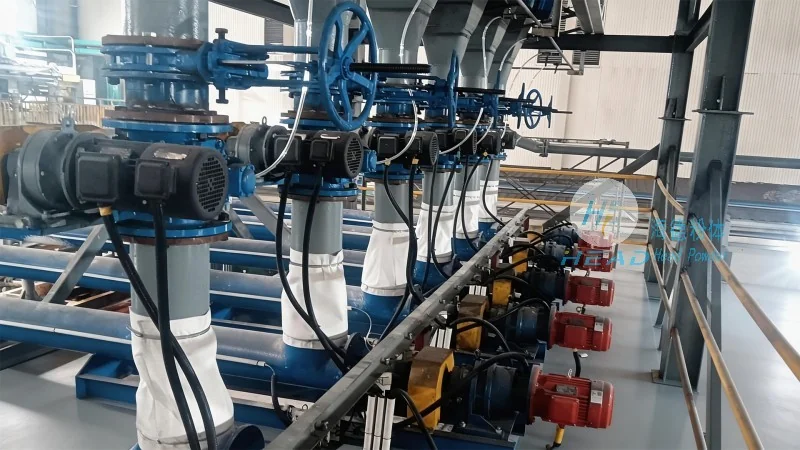
4. Modular Design: Many lye material pneumatic conveying systems are designed with modular components, allowing for easy installation, maintenance, and expansion. This flexibility enables users to adapt the system to changing production needs without significant downtime or capital investment.
5. Safety Features: Given the hazardous nature of lye, safety is a top priority. The equipment includes features such as pressure relief valves, emergency shut-off systems, and monitoring sensors that detect leaks or abnormal conditions. These safety measures protect personnel and equipment from potential accidents.
Benefits of Using Lye Material Pneumatic Conveying Equipment
Implementing a pneumatic conveying system for lye material handling offers numerous benefits that enhance operational efficiency and reduce costs. These advantages make it a preferred choice for industries such as chemical manufacturing, food processing, and pharmaceuticals.
1. Improved Process Efficiency: Pneumatic conveying systems eliminate the need for manual handling of lye, reducing labor costs and minimizing the risk of human error. The automated process ensures consistent material flow, leading to higher production rates and better product quality.
2. Reduced Downtime: With fewer mechanical parts and a simpler design compared to traditional belt or screw conveyors, pneumatic systems experience less downtime due to maintenance or breakdowns. This results in increased productivity and lower operational costs.
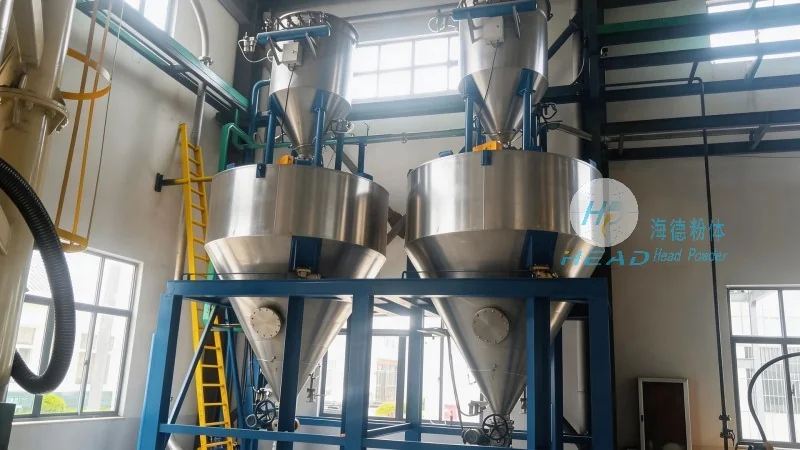
3. Enhanced Safety: By eliminating the need for manual handling of caustic soda, the risk of chemical burns or inhalation of dust is significantly reduced. The enclosed system also prevents environmental contamination, ensuring a safer working environment.
4. Space Efficiency: Pneumatic conveying systems can be installed in compact spaces, making them ideal for facilities with limited floor area. The vertical or horizontal configurations allow for flexible layout designs, optimizing the use of available space.
5. Environmental Compliance: The advanced filtration systems and enclosed design of the equipment help meet environmental regulations by minimizing emissions and preventing spills. This ensures that the operation remains compliant with local and international standards.
Conclusion
Lye material pneumatic conveying equipment is a critical component in industrial processes that require the efficient and safe handling of caustic soda. By understanding its working principle and key features, industries can make informed decisions to enhance their operational efficiency and safety. The benefits of these systems, including improved process efficiency, reduced downtime, and enhanced safety, make them a valuable investment for any facility handling lye materials. For more information on lye material pneumatic conveying equipment, contact Shandong HeadPowder Engineering Co., Ltd., a leading provider of industrial conveying solutions based in China.




