Positive and Negative Pressure Conveying of Heavy Calcium Powder: A Comparative Analysis of Two Pneu
Release time:2026-09-14 10:43:50
name of the company:Shandong Headpowder Engineering Co., Ltd.
telephone:156-6277-7102
contacts:Zhang manager
When it comes to transporting heavy calcium powder, selecting the right pneumatic conveying method is crucial for efficiency, cost-effectiveness, and operational reliability. Pneumatic conveying systems use air or gas to move bulk materials like heavy calcium powder through a pipeline. Two primary methods are widely used: positive pressure conveying and negative pressure conveying. This article provides a detailed comparison of these two approaches, highlighting their characteristics, advantages, and applications, with a focus on the specific needs of heavy calcium powder handling.
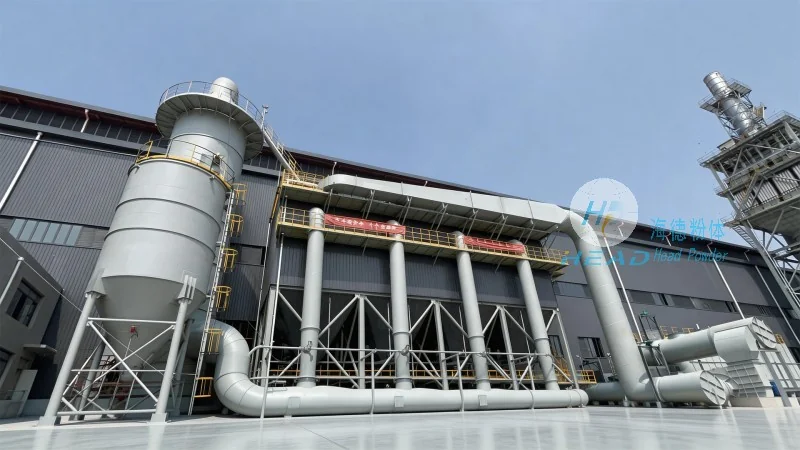
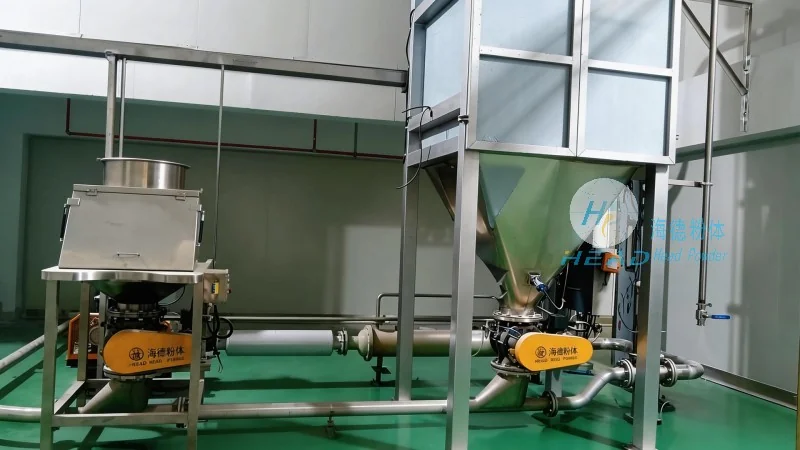
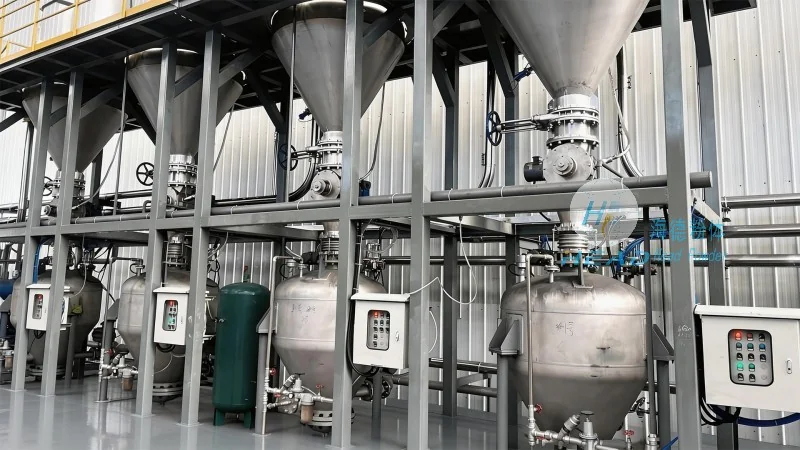
Positive Pressure Conveying: The Advantages and Applications
Positive pressure conveying, also known as pressure conveying, operates by blowing air or gas into the conveying line under pressure. The material is drawn into the system and transported to the destination. This method is particularly effective for heavy calcium powder due to its ability to handle high material loads and long distances. One of the key benefits is that it can transport materials from multiple sources to a single destination, making it suitable for complex production lines. The system typically uses a positive displacement blower or a rotary lobe blower to generate the necessary pressure. The high pressure ensures that the material is moved efficiently, reducing the risk of blockages and ensuring consistent flow rates. For heavy calcium powder, which can be abrasive and prone to caking, the positive pressure system's ability to maintain a consistent flow and prevent material degradation is a significant advantage. The headpowder heavy calcium powder conveying systems are designed to handle the specific properties of heavy calcium powder, ensuring optimal performance and minimal maintenance.




