For industrial applications involving the handling of magnesium sulfate, efficient and reliable material transport is crucial. Pneumatic conveying systems have emerged as a preferred solution due to their ability to handle bulk materials like magnesium sulfate with precision and minimal environmental impact. This article explores the working principle and key features of magnesium sulfate material pneumatic conveying equipment, providing insights into how such systems operate and the advantages they offer in industrial settings.
Understanding the Working Principle of Magnesium Sulfate Pneumatic Conveying Equipment
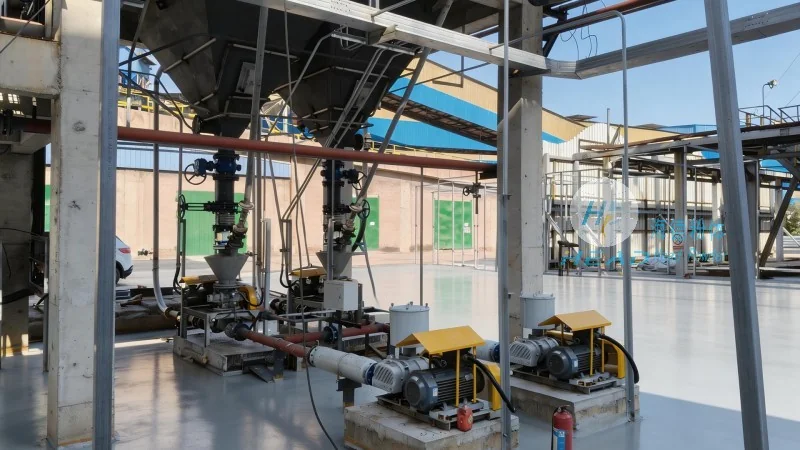
The core of magnesium sulfate pneumatic conveying equipment lies in the utilization of air or gas as the conveying medium to transport solid particles. The system typically operates on the principle of creating a pressure differential between the material feed point and the discharge point. In a positive pressure system, compressed air is introduced at the material inlet, where the magnesium sulfate is introduced. The air then lifts and propels the particles through the pipeline to the destination. Conversely, in a negative pressure (or vacuum) system, the material is drawn into the system by a vacuum created at the discharge end. Both systems are designed to handle the specific characteristics of magnesium sulfate, such as its particle size distribution, moisture content, and flowability.
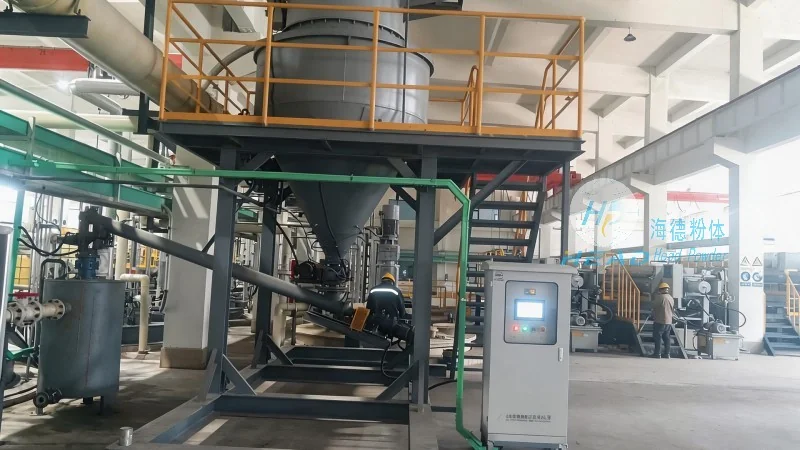
Key components of the magnesium sulfate pneumatic conveying system include the material feeder, which ensures a consistent and controlled feed of the solid particles into the conveying line. The feeder may be a rotary valve, screw feeder, or other type of device that matches the material's flow characteristics. The conveying pipeline is constructed from materials resistant to corrosion, such as stainless steel or special coatings, to withstand the chemical properties of magnesium sulfate and prevent degradation over time. At the discharge end, a separator or cyclone is used to separate the material from the air stream, allowing the magnesium sulfate to be collected in a hopper or storage bin. The air, now free of solid particles, is either filtered and recirculated or vented to the atmosphere, depending on the system design and environmental regulations.
Key Features of Magnesium Sulfate Pneumatic Conveying Equipment
When evaluating magnesium sulfate pneumatic conveying equipment, several features stand out as critical for optimal performance and operational efficiency. One of the primary advantages is the ability to handle fine or dusty materials without the need for additional equipment like hoppers or chutes, which can be prone to clogging. The enclosed system design minimizes dust emissions, making it suitable for applications where environmental compliance is a priority. Additionally, pneumatic conveying systems offer high transport speeds, allowing for rapid material transfer over long distances, which is particularly beneficial in large-scale industrial operations.
Another significant feature is the flexibility in system configuration. Depending on the specific requirements of the magnesium sulfate handling process, the system can be customized to accommodate different pipeline lengths, elevation changes, and material flow rates. This adaptability makes it suitable for various industrial settings, from small-scale processing plants to large-scale production facilities. The equipment also features robust construction, with components designed to withstand the mechanical stresses and chemical exposure associated with handling magnesium sulfate, ensuring long-term reliability and minimal maintenance.
Operational Benefits and Considerations for Magnesium Sulfate Handling
Implementing magnesium sulfate pneumatic conveying equipment brings several operational benefits. The enclosed nature of the system reduces the risk of material contamination and exposure to personnel, enhancing workplace safety. It also minimizes the need for manual handling, reducing labor costs and the potential for human error. Furthermore, the system's ability to handle varying material conditions, such as different particle sizes or moisture levels, makes it a versatile solution for diverse industrial applications.
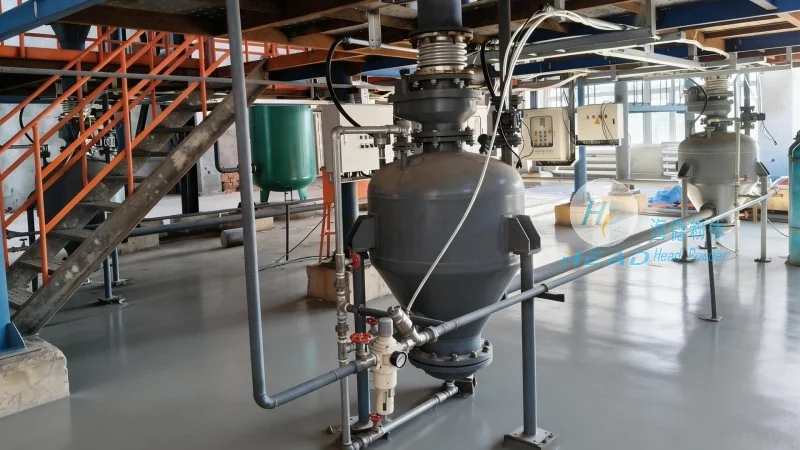
However, there are considerations to keep in mind when selecting or operating such equipment. The initial investment for pneumatic conveying systems can be higher compared to traditional methods like belt conveyors or bucket elevators. Additionally, the energy consumption, particularly in positive pressure systems where compressed air is used, needs to be managed effectively to optimize operational costs. Proper maintenance of the system, including regular cleaning of the conveying lines and replacement of worn components, is essential to ensure consistent performance and prevent downtime.
Conclusion and Company Overview
Magnesium sulfate pneumatic conveying equipment represents a sophisticated solution for the efficient and reliable transport of this important industrial material. By leveraging the principles of pneumatic transport, these systems offer advantages in terms of efficiency, environmental impact, and operational flexibility. For businesses seeking to enhance their material handling processes, understanding the working principle and features of such equipment is essential. Shandong HeadPowder Engineering Co., Ltd., based in Shandong, China, specializes in the design and manufacturing of advanced material handling solutions, including pneumatic conveying systems tailored to the needs of industries dealing with magnesium sulfate and other bulk materials. With a focus on quality and innovation, the company provides customized equipment that meets the specific requirements of its clients, ensuring optimal performance and long-term value.




