When it comes to transporting wet sodium nitrate, selecting the right method is crucial for ensuring safety, efficiency, and compliance with industry standards. The choice between positive pressure and negative pressure systems can significantly impact operational outcomes, making it essential to understand the key differences and factors influencing each approach.
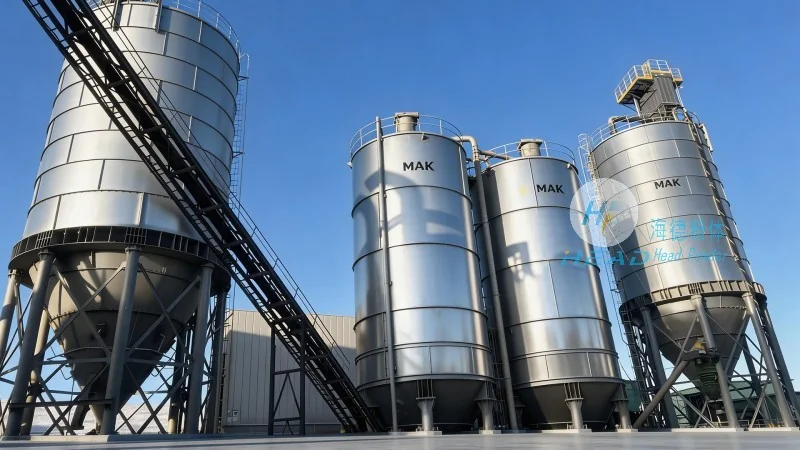
Understanding Wet Sodium Nitrate and Its Transport Challenges
Wet sodium nitrate, often used in industrial applications such as fertilizer production and chemical processing, presents unique challenges during transport due to its hygroscopic nature and potential for dust generation. Proper handling is vital to prevent material degradation, equipment corrosion, and environmental contamination. The selection of a transport system—whether positive pressure or negative pressure—depends on several factors, including the material's properties, the distance of transport, and the required safety measures.
Positive Pressure Transport Systems
Positive pressure transport systems operate by forcing air or gas through the material being conveyed. This method is commonly used for materials that are prone to caking or bridging, as the pressurized air helps to break up agglomerates and maintain a consistent flow. For wet sodium nitrate, positive pressure can be effective in preventing material from sticking to the pipeline walls, reducing the risk of blockages and ensuring smooth transport. The system typically involves a blower or compressor that supplies air under pressure, creating a positive pressure environment within the pipeline.
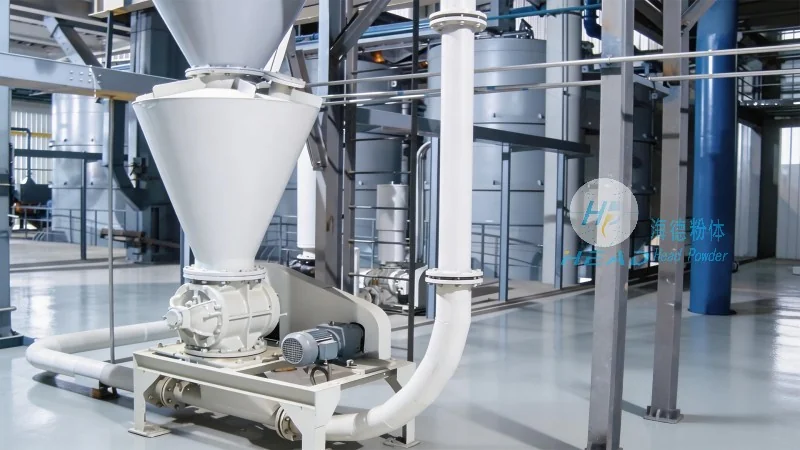
Negative Pressure Transport Systems
Conversely, negative pressure transport systems create a vacuum or reduced pressure in the pipeline, drawing the material through the system. This approach is often preferred for materials that are less likely to cake or for applications where minimizing air emissions is a priority. Negative pressure systems are generally quieter and can be more energy-efficient in certain scenarios, as they rely on the natural flow of material rather than forced air. However, they may require more robust sealing and filtration to prevent dust leakage and maintain material integrity.
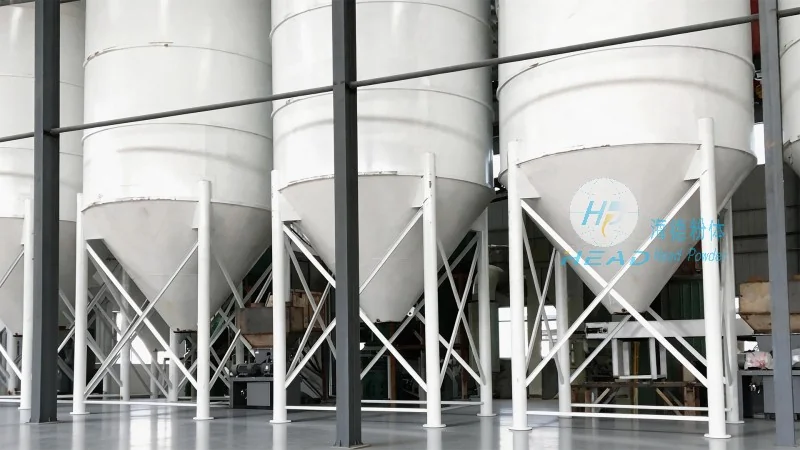
Key Factors to Consider When Choosing Between Systems
Several critical factors should guide the decision between positive and negative pressure transport for wet sodium nitrate. First, the material's moisture content and particle size distribution play a significant role. Highly hygroscopic materials may benefit more from positive pressure to prevent clumping, while finer particles might be better suited for negative pressure to avoid excessive air resistance. Second, the distance and elevation changes of the transport route affect the system's design. Positive pressure systems are often more suitable for longer distances or when dealing with uphill transport, as they can maintain pressure more effectively. Third, safety considerations, such as the risk of dust explosions or material spillage, must be evaluated. Positive pressure systems may offer better containment by preventing external air from entering the pipeline, while negative pressure systems require careful sealing to avoid dust release.
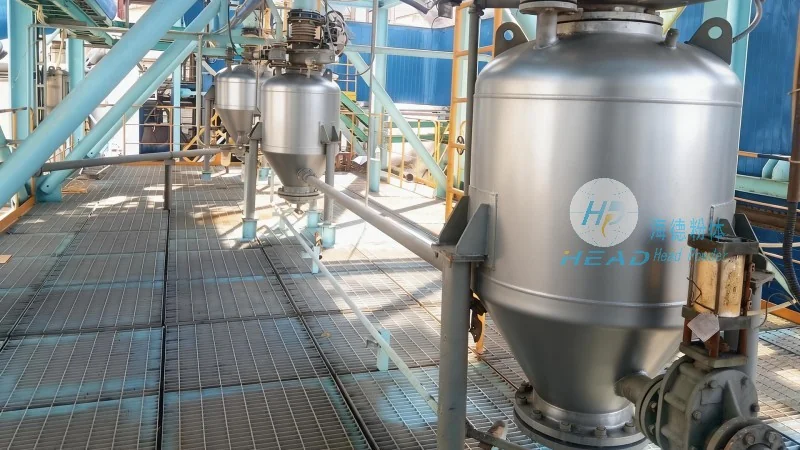
HeadPowder Engineering: Expertise in Wet Sodium Nitrate Transport Solutions
Shandong HeadPowder Engineering Co., Ltd., a leading provider of specialized transport solutions, understands the complexities of wet sodium nitrate handling. With years of experience in the chemical and fertilizer industries, HeadPowder offers tailored systems that address the unique challenges of transporting this material. The company's expertise lies in designing and implementing both positive and negative pressure systems, ensuring optimal performance while adhering to safety and environmental regulations. By leveraging advanced engineering and material science, HeadPowder helps clients select the most appropriate transport method for their specific needs, whether it involves bulk storage, long-distance transport, or on-site processing.
Conclusion: Making the Right Choice for Wet Sodium Nitrate Transport
Choosing between positive pressure and negative pressure for wet sodium nitrate transport requires a thorough assessment of material properties, operational requirements, and safety considerations. Both systems have their advantages and limitations, and the optimal choice depends on the specific application and operational context. By understanding the key differences and factors influencing each approach, industry professionals can make informed decisions that enhance efficiency, reduce risks, and ensure compliance. For reliable and effective transport solutions, partnering with a knowledgeable provider like Shandong HeadPowder Engineering Co., Ltd. is essential to navigate the complexities of wet sodium nitrate handling and achieve successful operational outcomes.




