Positive pressure blown pneumatic conveying equipment is a key component in modern material handling systems, designed to transport bulk materials efficiently through a pressurized air stream. This technology offers a reliable solution for moving various powders and granules from one location to another, often with minimal maintenance and high operational efficiency. The equipment is widely used in industries such as food processing, pharmaceuticals, chemicals, and mining, where precise and hygienic material transport is essential.
At Shandong HeadPowder Engineering Co., Ltd., we specialize in the design, manufacturing, and supply of advanced pneumatic conveying systems. Our company, commonly known as headpowder, has established itself as a leading provider of high-quality material handling solutions tailored to meet diverse industrial needs. With a focus on innovation and customer satisfaction, we deliver equipment that combines durability, performance, and cost-effectiveness.
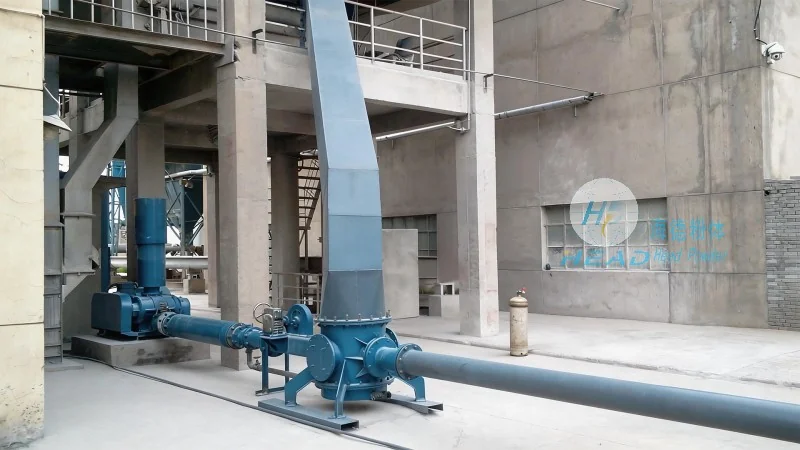
The core structure of a positive pressure blown pneumatic conveying system typically includes several key components. The main elements are a blower or compressor that generates the pressurized air, a hopper or feed system to introduce the material, a conveying line (usually a pipeline) that transports the material, and a receiver or discharge unit where the material is collected. Each component plays a critical role in ensuring the smooth operation of the system.
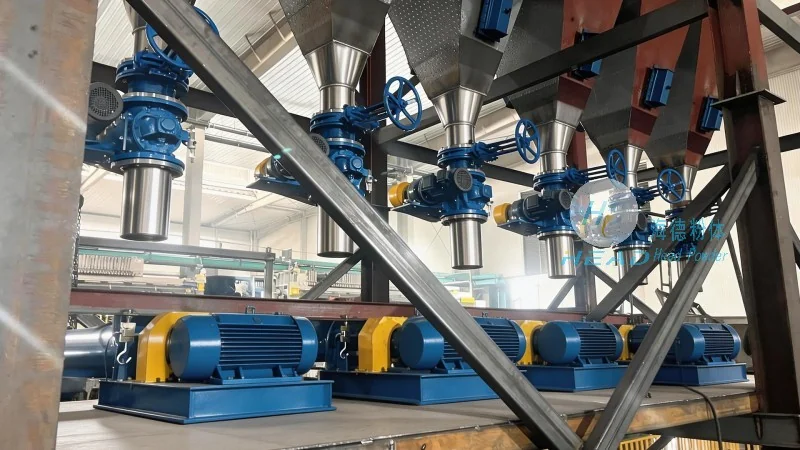
The blower or compressor is the heart of the system, responsible for creating the necessary pressure to move the material through the pipeline. This component can be either a positive displacement blower or a centrifugal compressor, depending on the specific application and material characteristics. Positive displacement blowers are often preferred for their ability to maintain consistent pressure and flow rates, which is crucial for handling sensitive or abrasive materials.
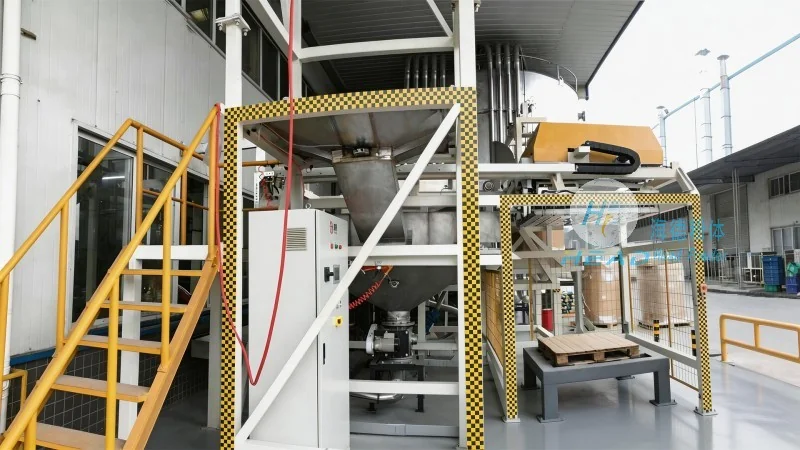
The hopper or feed system is designed to store and feed the material into the conveying line. It may include a hopper with a gate valve or a screw feeder to control the material flow rate. The design of the hopper is critical to prevent material bridging or clogging, which can disrupt the conveying process. Proper material flow control ensures that the system operates at optimal efficiency and prevents damage to downstream equipment.
The conveying line, typically made of stainless steel or other corrosion-resistant materials, is the pathway through which the material is transported. The diameter and length of the pipeline are determined based on the material's properties, such as particle size, density, and moisture content, as well as the required conveying distance. The pipeline may include bends, elbows, or other fittings to direct the material to the receiver, and these components are designed to minimize pressure losses and maintain the material's integrity.
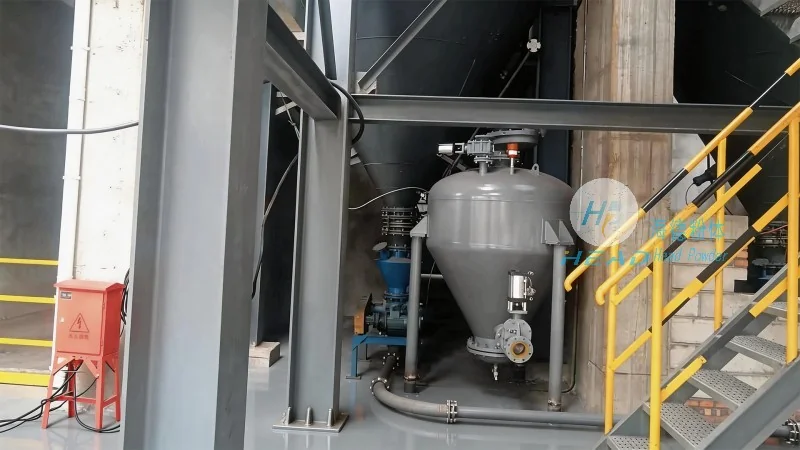
The receiver or discharge unit is where the material is collected after being conveyed through the pipeline. It may include a hopper or a silo to store the material until it is further processed or transported. The receiver is designed to handle the incoming material flow and prevent spillage or contamination. In some applications, the receiver may also include a dust collection system to capture any airborne particles and ensure a clean working environment.
One of the key advantages of positive pressure pneumatic conveying is its ability to handle a wide range of materials, from fine powders to coarse granules. The pressurized air stream can effectively transport materials that are difficult to handle using traditional methods, such as those with high moisture content or those that are prone to caking. Additionally, this technology allows for the transport of materials over long distances with minimal degradation, making it suitable for large-scale industrial operations.
Another advantage is the hygienic and clean operation of the system. The enclosed pipeline and sealed components prevent contamination from external sources, which is particularly important in industries like food and pharmaceuticals. The system can be easily cleaned and maintained, reducing downtime and ensuring consistent product quality. This makes positive pressure pneumatic conveying an ideal choice for applications where product purity and safety are paramount.
At headpowder, we understand the importance of customization in material handling solutions. Our team of engineers works closely with clients to design and manufacture pneumatic conveying systems that meet their specific requirements. Whether it's a standard system for a small-scale operation or a customized solution for a large industrial facility, we ensure that the equipment is tailored to the client's needs, including material characteristics, conveying distance, and operational constraints.
Our commitment to quality and innovation has enabled us to deliver reliable and efficient pneumatic conveying equipment to clients across China and beyond. With our headquarters in Shandong, China, we leverage local expertise and resources to provide comprehensive support, from initial consultation to installation and after-sales service. We pride ourselves on our ability to deliver solutions that not only meet but exceed client expectations, ensuring long-term performance and satisfaction.




