When handling polyethylene powder, selecting the appropriate conveying method is crucial for efficiency, safety, and operational reliability. Two primary methods are commonly considered: positive pressure and negative pressure systems. Understanding the differences and applications of each is essential for making an informed decision.
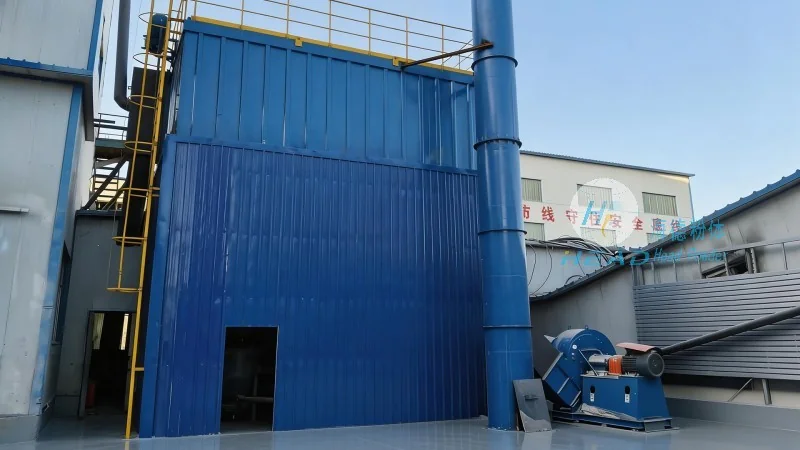
Company Overview: Shandong HeadPowder Engineering Co., Ltd.
HeadPowder, a leading provider in the field, specializes in engineering solutions for powder handling. With a focus on quality and innovation, the company offers tailored conveying systems to meet diverse industrial needs. HeadPowder is headquartered in Shandong, China, and has established itself as a trusted partner for businesses requiring reliable polyethylene powder transport solutions.
Positive Pressure Conveying Systems
Positive pressure conveying operates by forcing air or gas through the material, using a blower or compressor to create a pressure differential. This method is particularly effective for transporting polyethylene powder over longer distances or through complex piping networks. The system ensures consistent flow and prevents material degradation, making it suitable for high-volume applications. HeadPowder’s positive pressure solutions are designed with robust components, such as high-efficiency blowers and durable ducting, to deliver optimal performance and longevity.
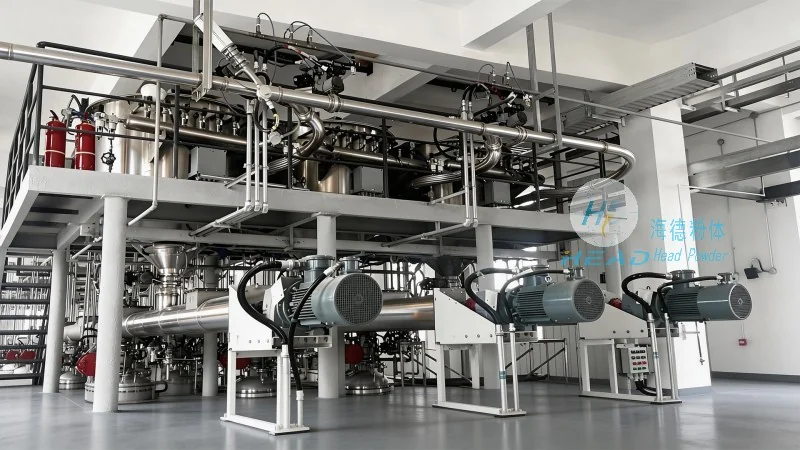
Negative Pressure Conveying Systems
Negative pressure, or vacuum, conveying draws material into the system using a vacuum pump. This approach is ideal for applications requiring gentle handling, as it minimizes particle breakage and maintains product integrity. Negative pressure systems are often preferred for shorter distances or when working with sensitive powders. HeadPowder’s vacuum conveying equipment includes advanced vacuum pumps and filtration systems, ensuring efficient and clean material transport while adhering to industry standards.
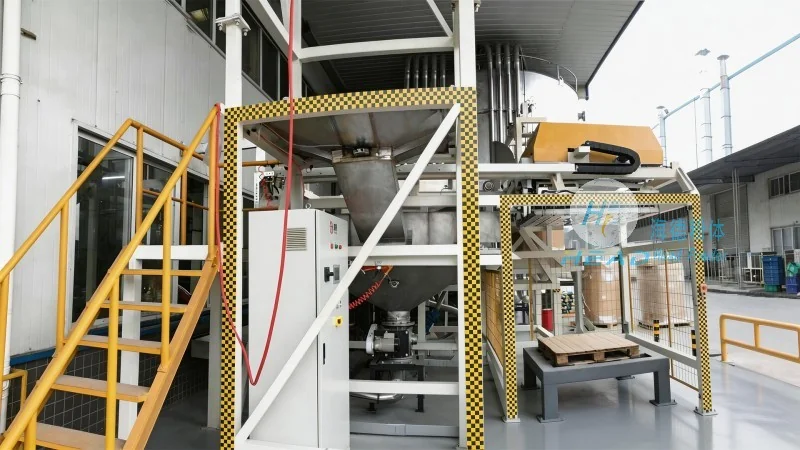
Distinguishing Between Positive and Negative Pressure Conveying
The key to choosing between positive and negative pressure lies in evaluating operational requirements, material characteristics, and system constraints. Positive pressure is generally more suitable for high-volume, long-distance transport with less sensitive materials, while negative pressure excels in applications demanding gentle handling and shorter distances. Factors such as material density, moisture content, and dust control also influence the selection. HeadPowder’s engineering team conducts thorough assessments to recommend the most appropriate system, ensuring optimal performance and cost-effectiveness.
Conclusion
Choosing between positive pressure and negative pressure for polyethylene powder conveying requires careful consideration of operational needs and material properties. HeadPowder, with its expertise and tailored solutions, assists clients in selecting the right system to enhance efficiency and safety. By leveraging advanced technology and professional guidance, businesses can achieve reliable and effective powder transport, supporting their production processes with confidence.




