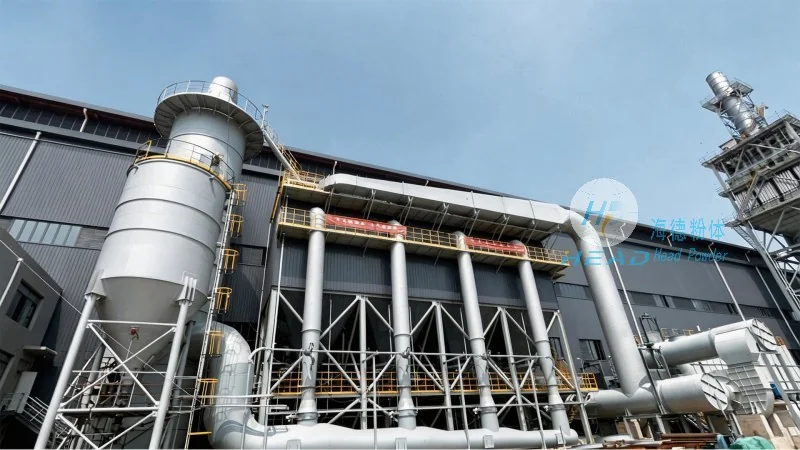
Understanding the potato starch pneumatic conveying system is crucial for industries dealing with starch-based materials. This equipment is designed to transport potato starch efficiently and safely, playing a vital role in the processing and handling of starch products. The system utilizes air as the conveying medium, enabling the movement of dry, powdery starch from one location to another without the need for mechanical components like belts or buckets.
Potato Starch Pneumatic Conveying System: An Overview
At the core of the potato starch pneumatic conveying system is the ability to transport fine powders like potato starch through a pipeline using compressed air. This method is widely adopted in the food and chemical industries due to its hygienic design, low maintenance requirements, and ability to handle sensitive materials without degradation. The system typically consists of a hopper for material storage, a blower or compressor to generate airflow, a pipeline network, and a receiver or collection unit at the destination. Each component works in harmony to ensure the smooth and controlled transfer of potato starch.
Design Principles of the Potato Starch Pneumatic Conveying System
The design of a potato starch pneumatic conveying system is based on several key principles that ensure optimal performance and efficiency. First, the system must maintain a consistent air pressure and flow rate to prevent material clogging or uneven distribution. This is achieved through the use of appropriate blower capacity and pipeline sizing. Second, the system incorporates features to handle the specific properties of potato starch, such as its fine particle size and potential for static electricity. Anti-static measures, like grounding and ionizers, are often integrated to prevent material buildup and ensure safe operation. Third, the design prioritizes hygiene and easy cleaning, which is essential for food-grade applications. Stainless steel components and CIP (Clean-In-Place) systems are commonly used to meet sanitary standards and facilitate regular maintenance.
Key Components and Their Functions
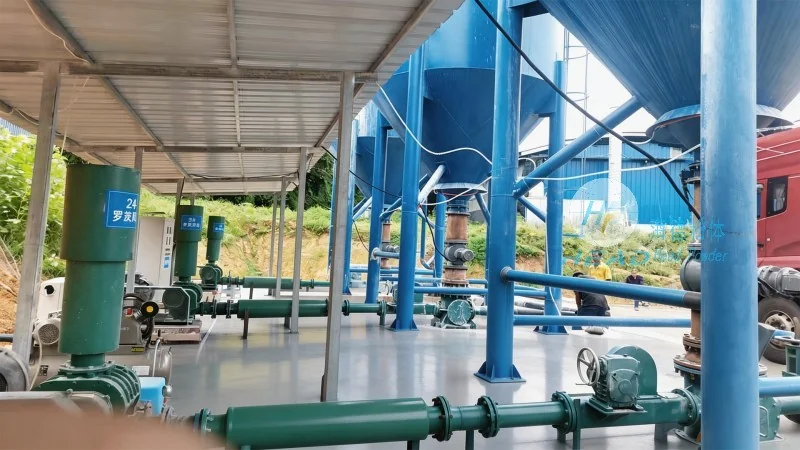
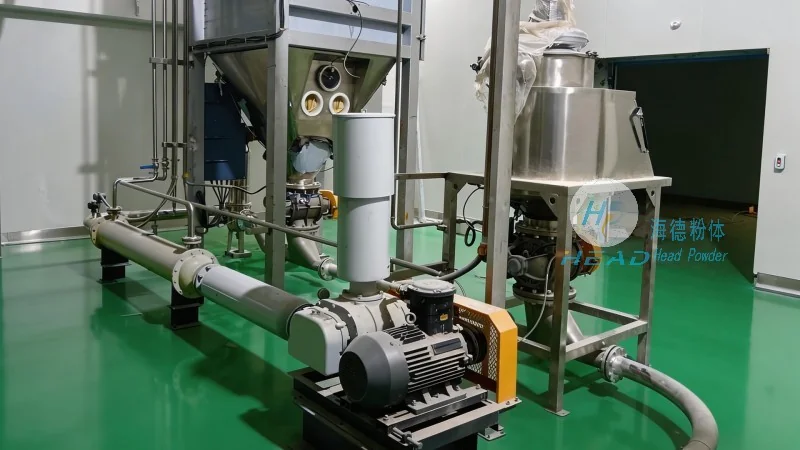
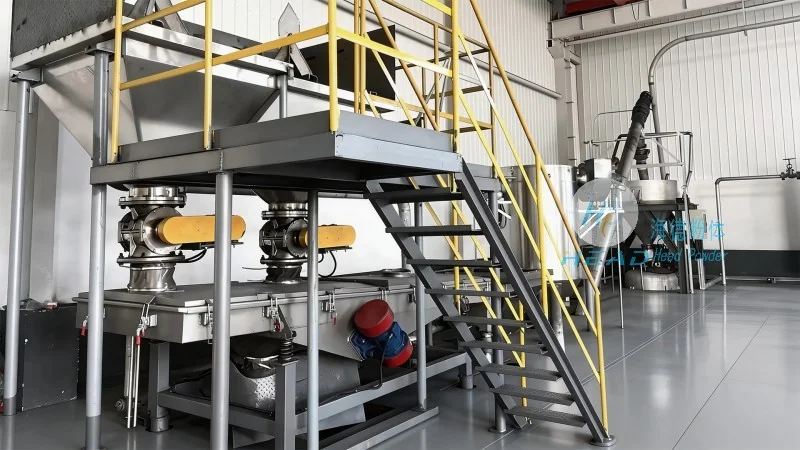
Several critical components make up a potato starch pneumatic conveying system, each with a specific role in the overall operation. The hopper serves as the storage vessel, holding the potato starch and feeding it into the system. It is equipped with a feeder, such as a rotary valve or screw feeder, to control the flow rate of the material. The blower or compressor is the heart of the system, providing the necessary air pressure to move the starch through the pipeline. The pipeline network connects the hopper to the receiver, with bends and elbows designed to minimize pressure loss and prevent material accumulation. The receiver collects the starch at the destination, often equipped with a dust filter to capture any fine particles and maintain air quality. Finally, the control system monitors and regulates the operation of the blower, feeder, and other components to ensure stable and efficient conveying.
Advantages of Using a Potato Starch Pneumatic Conveying System
Implementing a potato starch pneumatic conveying system offers numerous advantages over traditional mechanical conveying methods. One of the primary benefits is the hygienic design, which is ideal for food processing applications where contamination control is paramount. The system’s enclosed pipeline prevents exposure to dust and contaminants, maintaining product purity. Additionally, the low maintenance requirements reduce downtime and operational costs. Unlike mechanical systems that require regular lubrication and part replacement, pneumatic systems have fewer moving parts and are less prone to wear and tear. Another advantage is the ability to handle sensitive materials without degradation. The gentle airflow and controlled pressure prevent the starch from breaking down or clumping, preserving its quality and consistency. Furthermore, the system’s flexibility allows for easy integration into existing production lines, with the ability to adjust flow rates and pressure to meet varying production demands.
Applications in the Food and Chemical Industries
Potato starch pneumatic conveying systems are widely used in various industries that rely on starch-based products. In the food industry, these systems are essential for transporting potato starch used in baking, brewing, and other food processing applications. The hygienic design and ability to handle food-grade materials make them suitable for these applications. In the chemical industry, the system is used to transport starch used in the production of adhesives, coatings, and other chemical products. The system’s ability to handle fine powders and maintain product quality is crucial for these applications. Additionally, the system is used in pharmaceutical and cosmetic industries where the purity and consistency of starch are critical. The controlled conveying process ensures that the starch meets the required specifications for these industries.
Conclusion
In conclusion, the potato starch pneumatic conveying system is a vital piece of equipment for industries dealing with starch-based materials. Its design principles, components, and advantages make it an efficient and reliable solution for transporting potato starch. The system’s hygienic design, low maintenance requirements, and ability to handle sensitive materials make it a preferred choice over traditional mechanical conveying methods. As the demand for starch products continues to grow, the potato starch pneumatic conveying system will remain a key component in the processing and handling of these materials. For businesses looking to enhance their production efficiency and maintain product quality, investing in a well-designed pneumatic conveying system is a wise decision.




