In the cement production industry, the efficient and reliable transport of raw materials is crucial for maintaining production efficiency and ensuring product quality. Among the various conveying methods available, positive pressure and negative pressure systems are two common approaches. Understanding the differences between these two systems is essential for selecting the most suitable solution for a specific application. This article will explore the characteristics, advantages, and typical applications of both positive pressure and negative pressure cement raw material conveying systems, helping to clarify how to make an informed decision.
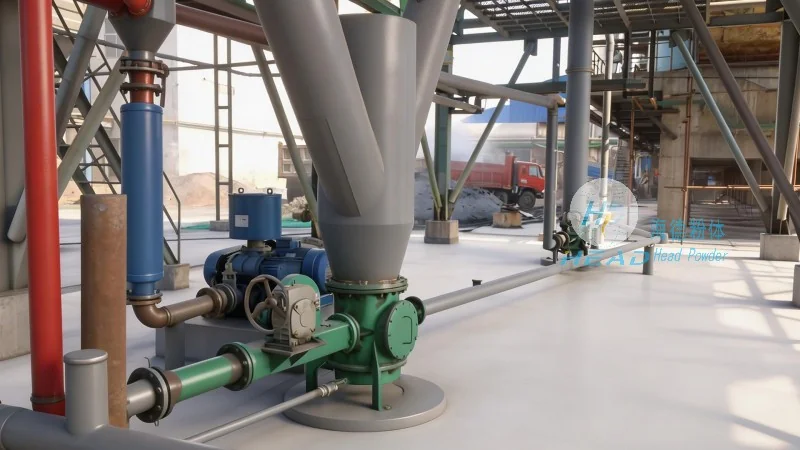
Understanding Positive Pressure Conveying Systems
Positive pressure conveying, also known as pressure pneumatic conveying, operates by blowing air or other gases into the material to create a positive pressure within the conveying line. The material is then transported from the inlet to the outlet under this pressure. This method is often used for short to medium-distance conveying and can handle a wide range of materials, including powders and granules. The primary advantage of positive pressure systems is their ability to convey materials over relatively long distances without significant pressure loss. They are also suitable for applications where the material needs to be conveyed through vertical or horizontal sections, and they can handle materials with varying moisture content and particle sizes. However, positive pressure systems may require more energy input due to the need to maintain the pressure within the system. Additionally, they may not be as effective for very fine powders or materials that are prone to caking.
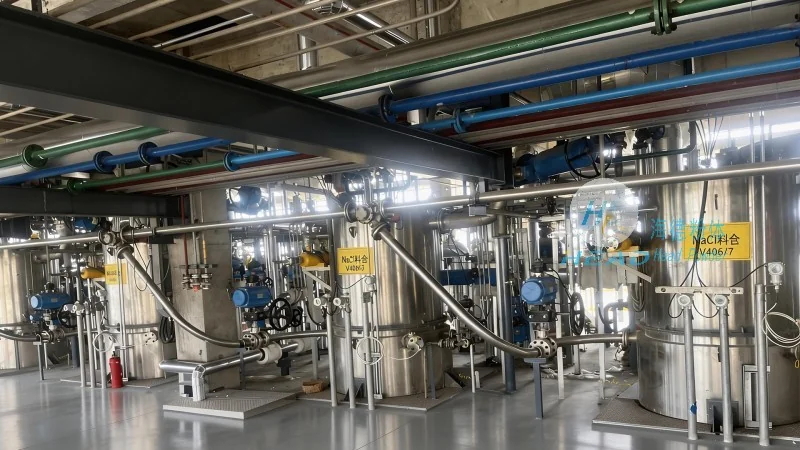
Characteristics and Applications of Negative Pressure Conveying Systems
Negative pressure conveying, or vacuum pneumatic conveying, works by creating a vacuum in the conveying line, which draws the material from the inlet to the outlet. This method is typically used for shorter distances and is often preferred for applications where the material needs to be conveyed from a single source to multiple destinations or where the material is sensitive to pressure changes. Negative pressure systems are particularly effective for handling fine powders and materials that are prone to dust generation. They are also suitable for applications where the material needs to be collected from various points and transported to a central location. The main advantage of negative pressure systems is their lower energy consumption compared to positive pressure systems, as they do not require the same level of pressure maintenance. However, they may have limitations in terms of conveying distance and material capacity, as the vacuum can be affected by the length of the line and the amount of material being conveyed.
Distinguishing Between Positive and Negative Pressure Systems
When deciding between positive pressure and negative pressure conveying for cement raw material transport, several factors should be considered. The first factor is the distance of the conveying line. Positive pressure systems are generally more suitable for longer distances, while negative pressure systems are better for shorter distances. The second factor is the material characteristics, such as particle size, moisture content, and tendency to clog or cake. Positive pressure systems are often preferred for larger particles or materials that are less prone to dusting, whereas negative pressure systems are more effective for fine powders. The third factor is the number of discharge points. Negative pressure systems are ideal for conveying materials to multiple destinations from a single source, while positive pressure systems are better for single-point discharge. The fourth factor is energy consumption and operational costs. Negative pressure systems typically consume less energy, making them more cost-effective for shorter distances and lower material volumes. Positive pressure systems may have higher energy costs but can handle higher material capacities and longer distances.
Conclusion and Recommendations
Choosing the right conveying system for cement raw material transport is a critical decision that impacts production efficiency, material quality, and operational costs. By understanding the characteristics and applications of both positive pressure and negative pressure systems, as well as considering factors such as conveying distance, material properties, and discharge points, manufacturers can select the most appropriate solution. For applications requiring long-distance transport of larger particles or materials with low dust generation, positive pressure systems may be the better choice. For shorter distances, fine powders, or multiple discharge points, negative pressure systems offer advantages in energy efficiency and material handling. Ultimately, the decision should be based on a thorough analysis of the specific requirements of the cement production process. Shandong HeadPowder Engineering Co., Ltd., a leading provider of cement production equipment, offers a range of conveying solutions tailored to meet the diverse needs of the industry. With years of experience and expertise, HeadPowder provides reliable and efficient conveying systems that enhance production performance and ensure consistent quality in cement manufacturing.




